How to Prevent Toilet Paper Waste in the Workplace
Toilet paper is one of the most-used consumables in any workplace — and one of the most frequently wasted. Whether it’s from excessive use, poor dispenser design, or low-quality paper that requires more sheets per use, the result is the same: unnecessary cost, environmental harm, and frustration for cleaners and staff.
Here’s how New Zealand businesses can reduce toilet paper waste in the workplace — without compromising hygiene or comfort.
1. Choose Quality Over Quantity
Cheap, single-ply toilet paper may seem economical, but it often leads to overuse. Staff are more likely to grab extra sheets to compensate for poor absorption or strength.
Opt for 2-ply or bamboo-based paper with good tensile strength. Not only is it more effective, but it also results in less paper used per visit.
2. Install Controlled-Use Dispensers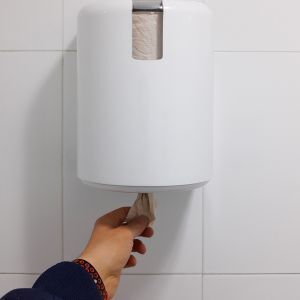
Dispenser type plays a huge role in how much toilet paper is used. Open rolls or basic dispensers allow free-pulling, which often leads to excess.
Instead, use controlled-use dispensers or jumbo roll systems that limit the number of sheets dispensed. These are ideal for high-traffic office washrooms and reduce unnecessary consumption.
3. Educate and Involve Staff
Raising staff awareness about sustainable practices can have a big impact. Simple signage reminding users to use only what they need, or messages on eco-friendly habits, can help change behaviours over time.
Consider including sustainability tips in workplace newsletters or onboarding kits.
4. Monitor Usage Patterns
Track toilet paper consumption per week or per month. Sudden spikes could indicate misuse, theft, or problems with quality. Use this data to reassess supply levels, ordering frequency, or the effectiveness of the current products.
5. Switch to Eco-Friendly Toilet Paper
Bamboo and recycled toilet paper options not only reduce the environmental footprint but also often require fewer sheets per use due to improved strength and softness.
Look for FSC-certified, septic-safe products that align with your sustainability policy.
6. Reduce Waste at the Purchasing Level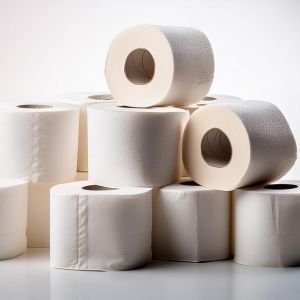
-
Buy in bulk to reduce packaging
-
Avoid individually wrapped rolls unless necessary for hygiene
These small changes can make a big difference in reducing both physical waste and overall costs.
FAQ
Q: Will using better quality toilet paper actually reduce waste?
A: Yes. Higher-quality toilet paper, like 2-ply or bamboo, often requires fewer sheets per use, leading to less consumption overall.
Q: What’s the best dispenser for reducing toilet paper waste?
A: Controlled-use dispensers or jumbo roll systems are ideal. They limit how much paper is dispensed per pull, which helps reduce overuse.
Q: How do I know if my office is wasting too much toilet paper?
A: Monitor your weekly or monthly usage. Sudden spikes or constant refills are a strong sign of overuse or product inefficiency.
Q: Is recycled toilet paper just as effective?
A: Yes. Many recycled options today are designed for commercial use and offer good strength and softness, making them effective and eco-friendly.
Q: Can signage really make a difference?
A: Absolutely. Simple reminders near dispensers can shift behaviour and reduce unnecessary consumption.
Conclusion
Toilet paper waste may not seem like a big issue — until you look at the numbers. By choosing smarter products, upgrading dispensers, and involving staff in sustainability, you can reduce waste, cut costs, and improve workplace hygiene.
Explore Insinc’s range of eco-friendly, bulk toilet paper and commercial dispensing systems — ideal for New Zealand workplaces focused on sustainable solutions.