Boat Cleaning Between Lakes and Rivers: A Simple Biosecurity Checklist for New Zealand Boaties
Moving your boat from one New Zealand lake or river to another? Follow this practical boat biosecurity checklist to help prevent freshwater weeds, pests and algae from hitching a ride. Learn how to Check, Clean and Dry your boat, trailer, anchor, ropes, bilge and onboard equipment—and where Bio-Zyme can fit into your regular boat-cleaning routine.
Taking the boat somewhere new is one of the best parts of boating in New Zealand.
One weekend might be spent on a favourite lake. The next could mean launching into a completely different river or heading farther afield for a fishing trip.
But moving a boat between waterways can also move something you never intended to take with you.
Freshwater weeds, algae, pests and even microscopic organisms can hitch a ride on boats, trailers and wet equipment.
They may be trapped in a piece of weed hanging from the trailer, hidden inside an anchor rope or sitting in a small amount of water left in the bilge.
That is why New Zealand's Ministry for Primary Industries recommends using Check, Clean, Dry whenever you move between lakes, rivers and streams.
The principle is simple:
Check for what you can see.
Clean for what you can't see.
Dry to make sure nothing survives the journey.
For boaties, making these steps part of the normal pack-up routine can help protect the waterways you enjoy using.
Here is a practical boat cleaning and freshwater biosecurity checklist to follow before your next launch.
Why Should You Clean Your Boat Between Lakes and Rivers?
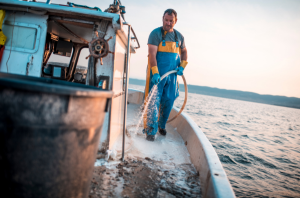
A boat may look clean when it comes out of the water.
That does not necessarily mean it is free from freshwater pests.
MPI warns that invasive freshwater organisms can be moved between waterways on boats and recreational equipment. Even very small pieces of plant material, eggs or water carried on equipment may present a risk.
Potential hitchhikers can hide in areas such as:
- Trailers
- Anchors and chains
- Anchor ropes
- Propellers
- Bilges
- Motors
- Boat carpets
- Drain plugs
- Live wells
- Bait tanks
- Fish bins
- Tow ropes
- Lifejackets
- Fishing equipment
- Kayaks and paddleboards carried onboard
Some of these areas are easy to overlook because they remain wet long after the hull has dried.
When the boat is moved to another river or lake, anything still attached or alive can potentially move with it.
Freshwater biosecurity therefore starts before your boat reaches the next launching ramp.
What Freshwater Pests Are New Zealand Boaties Trying to Prevent?
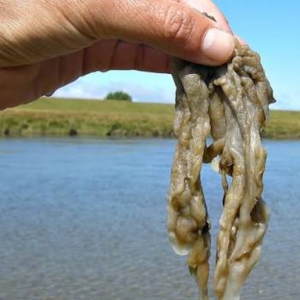
Didymo may be the best-known example, particularly in the South Island, but New Zealand's Check, Clean, Dry programme is broader than one species.
Freshwater invasive organisms can include:
- Invasive algae such as Didymo
- Aquatic weeds
- Freshwater pest species
- Invasive freshwater clams
- Other organisms capable of being transported on wet equipment
MPI notes that invasive freshwater weeds and pests can damage aquatic ecosystems and potentially interfere with infrastructure used for drinking water, irrigation and electricity generation.
Different parts of New Zealand also face different biosecurity risks.
For example, Didymo has been detected in the South Island but not the North Island, while invasive freshwater clams have created specific biosecurity requirements in parts of the North Island.
That is why the exact cleaning instructions can differ depending on where you are boating.
Always Check the Current Rules for Your Destination
Before moving your boat, particularly between regions, check the latest guidance from:
- Ministry for Primary Industries
- Your regional council
- Any Controlled Area Notice applying to the waterway
You can find the national guidance through MPI's Check Clean Dry programme.
Boat Biosecurity Checklist: Check, Clean, Dry
You do not need to turn every trip into a major boat-detailing exercise.
The important thing is to build a consistent routine.
Use this checklist every time your boat moves between freshwater environments.
STEP 1: CHECK Before Leaving the Waterway
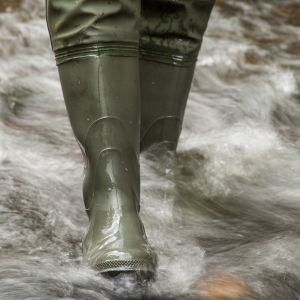
The easiest contamination to remove is the material you can actually see.
Before driving away from the lake or river, walk around your boat and trailer.
Look for:
- Weed
- Algae
- Mud
- Sediment
- Plant fragments
- Shellfish or clams
- Other organic material
Remove everything you find.
MPI advises leaving removed freshwater plant material at the lake or river bank or placing it in rubbish.
Do not wash freshwater weeds down a stormwater drain.
Check the Hull
Inspect the hull for visible plant material and mud.
Pay particular attention to:
- Strakes
- Keels
- Transom areas
- Fittings
- Intake areas
- Any surface where weed could catch
The outside of a boat often dries relatively quickly while being towed, but it should still be visually inspected before leaving the waterway.
Check the Trailer
The trailer is one of the easiest places for freshwater weeds to hitch a ride.
Look around:
- Rollers
- Bunks
- Axles
- Springs
- Guards
- Winch straps
- Lights and brackets
- Trailer frame
- Wheel areas
- Tow connection
MPI specifically recommends paying attention to locations where weeds may become snagged.
A trailer should be treated as part of the boat's biosecurity system—not simply as the thing used to transport it.
Check the Anchor and Chain
Anchors go directly onto lake and riverbeds.
That means they can pick up:
- Weed
- Mud
- Sediment
- Algae
- Other organic material
Inspect both the anchor and the chain before storing them.
Remove any visible vegetation immediately.
Check Your Anchor Rope
Ropes deserve extra attention.
Unlike hard surfaces, rope can absorb water and remain damp internally.
Even when the outside feels relatively dry, moisture may remain between fibres.
Inspect the rope for visible plant matter and include it in the appropriate cleaning and drying procedure before moving between waterways.
Check the Propeller and Motor
Look around the propeller and any exposed motor components that have contacted freshwater.
Plant fragments can wrap around or become trapped in small spaces.
Check carefully before transporting the boat elsewhere.
STEP 2: DRAIN Every Area That Holds Water
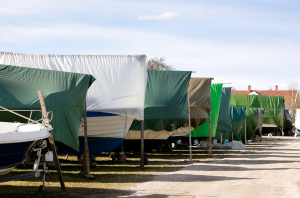
Freshwater itself can move unwanted organisms.
So once visible material has been removed, the next task is to get rid of any water still sitting inside your boat or equipment.
Drain water while the boat is on land where appropriate.
Potential areas include:
- Bilge
- Live wells
- Bait tanks
- Fish holding tanks
- Buckets
- Coolers
- Storage compartments
- Kayaks or other small craft carried onboard
- Equipment that has collected freshwater
MPI's Check Clean Dry guidance specifically tells water users to drain all river or lake water from boats and gear.
Do not intentionally carry water from one freshwater location to another.
Don't Forget the Bilge
The bilge is particularly important because it is largely out of sight.
A small amount of water can remain after the boat has been retrieved.
Check that the bilge has drained properly and dry pooled areas where practical.
MPI recommends drying internal areas where water has pooled before allowing the craft to dry fully.
Check Drain Plugs
Removing the drain plug when appropriate can help trapped water escape.
Just remember to include replacing it on your normal pre-launch checklist. Nobody wants the biosecurity checklist to accidentally become the “why is the boat filling with water?” checklist.
STEP 3: CLEAN for What You Can't See
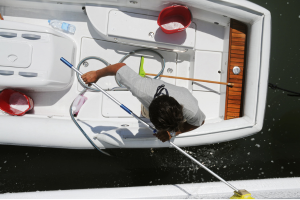
A boat can look perfectly clean while still carrying organisms too small to see.
This is why cleaning is different from simply removing visible weeds.
The correct treatment depends partly on where you have been boating.
South Island Cleaning
The South Island is a Controlled Area for Didymo.
MPI's current South Island Check Clean Dry guidance includes treatments such as:
10% Dishwashing Solution
Use approximately:
1 part dishwashing liquid to 9 parts water
Keep treated surfaces wet for the required contact time.
2% Bleach Solution
A bleach treatment is another listed option for appropriate equipment.
Freezing
Suitable equipment may be frozen until solid.
Different materials require different treatment, and absorbent items deserve particular care.
Read the current MPI South Island Check Clean Dry instructions before treating equipment.
North Island Cleaning
The North Island has different freshwater pest risks, including invasive freshwater clams in some areas.
Current MPI North Island guidance recommends cleaning boats and craft with tap water and paying special attention to absorbent equipment.
Specific Controlled Area Notices also apply to certain waterways and can introduce additional requirements.
Read the current MPI North Island Check Clean Dry instructions before travelling.
Do not assume the same treatment applies throughout New Zealand.
STEP 4: Focus on Areas That Stay Damp
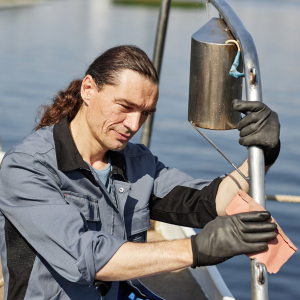
The obvious exterior surfaces are often not the highest-risk parts of the boat.
Think about the places where moisture can hide.
Boat Carpet
Carpet can remain damp underneath even when the surface appears dry.
Include carpeted sections exposed to freshwater in your cleaning and drying routine.
Anchor Ropes and Tow Ropes
Because rope is absorbent, allow additional cleaning and drying time.
Lifejackets
If a lifejacket has been submerged or heavily exposed to freshwater, treat it as wet equipment.
Follow both biosecurity guidance and the manufacturer's care instructions.
Upholstery
Wet upholstery and fabric can hold moisture longer than hard surfaces.
Storage Areas
Opening hatches and compartments can improve airflow and help trapped moisture escape.
Fishing Nets
Nets have countless spaces where water and organic material can become trapped.
If fishing equipment travelled with the boat and entered the water, include it too.
For a more detailed fishing-equipment guide, see our How to Clean Your Boat and Fishing Gear to Help Stop the Spread of Didymo in New Zealand article.
STEP 5: DRY the Boat and Equipment Thoroughly
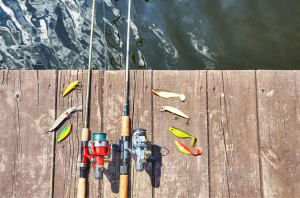
Drying is one of the simplest tools in freshwater biosecurity.
MPI's current Check Clean Dry guidance advises allowing gear to become dry to the touch, inside and out, and then leaving it dry for at least 48 hours before using it again.
For boats, dry any areas where water has pooled and allow the craft adequate time to dry.
Pay particular attention to:
- Bilge areas
- Carpet
- Ropes
- Upholstery
- Lifejackets
- Nets
- Enclosed storage areas
- Other absorbent gear
The hull may dry quickly while being towed.
The rope buried under a pile of fishing gear might not.
The second one is the sneaky bit.
STEP 6: Check Everything Stored on the Boat
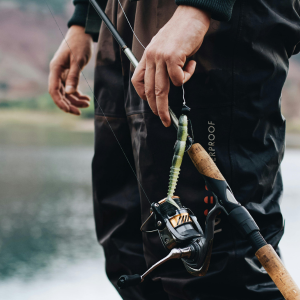
Your boat itself may be clean, but what about everything you've carried onboard?
Freshwater biosecurity applies to any equipment that has been in contact with the water.
Before heading to another lake or river, inspect:
- Fishing rods
- Fishing reels
- Landing nets
- Tackle
- Waders
- Wading boots
- Kayaks
- Paddleboards
- Paddles
- Watersports equipment
- Tow ropes
- Lifejackets
- Fish bins
- Bait containers
Treat and dry these items according to the relevant Check Clean Dry guidance.
A clean hull does not accomplish much if a damp landing net from the previous river is sitting in the storage compartment.
STEP 7: Clean the Trailer Before Your Next Launch
Because trailers enter the water during launch and retrieval, they deserve their own final check.
Before entering another waterway:
Inspect again for:
- Dried or fresh weed
- Mud
- Plant material
- Material trapped around rollers
- Material caught around axles or the frame
Check hard-to-see areas
Look underneath the trailer rather than relying on a quick walk around from standing height.
Make sure wet areas have dried
Anything that remains damp deserves further attention.
If you regularly move between waterways, this second pre-launch inspection is a useful backup in case something was missed when packing up.
A Quick Pre-Launch Biosecurity Checklist
Before putting your boat into another New Zealand lake or river, ask yourself:
-
Have I removed all visible weeds, mud and plant material?
-
Have I inspected the hull?
-
Have I inspected the trailer?
-
Have I checked the anchor and chain?
-
Has the anchor rope been cleaned and dried?
-
Have I drained the bilge?
-
Are live wells and bait tanks empty?
-
Have I checked the propeller and motor?
-
Are carpets and upholstery dry?
-
Have I checked fishing equipment?
-
Are nets, ropes and lifejackets dry?
-
Have I followed the cleaning requirements for the region?
-
Have I checked for any Controlled Area Notices at my destination?
If you can tick every box, you're in much better shape for the next launch.
Regular Boat Cleaning vs Biosecurity Cleaning: What's the Difference?
This is an important distinction.
Regular boat cleaning might focus on:
- Dirt
- Mud
- Fish residue
- Grease
- Food spills
- Odours
- Upholstery
- Carpet
- Fish bins
- Exterior surfaces
Biosecurity cleaning has a different purpose:
preventing freshwater organisms from moving from one waterway to another.
The two routines can complement each other, but one should not automatically be substituted for the other.
If a product is useful for ordinary boat cleaning, that does not necessarily mean it has been tested or approved as a treatment for a specific invasive species.
Always use the official Check Clean Dry treatment appropriate to your region for freshwater biosecurity.
Where Bio-Zyme Fits Into Your Boat-Cleaning Routine
Once you've followed the relevant biosecurity requirements, regular cleaning is still an important part of maintaining your boat.
Insinc's Bio-Zyme Enzyme Based Cleaner is a multipurpose enzyme-based cleaner with specific marine boat-cleaning applications.
Manufacturer guidance for Bio-Zyme includes routine cleaning applications such as:
- Washing boat exteriors
- Cleaning canvas and clears
- Cleaning fish bins
- General interior cleaning
- Cleaning suitable upholstery
- Cleaning carpets
The Bio-Zyme marine guidance recommends using the cleaner at the stated manufacturer's dilution rate for these applications.
This gives boaties one versatile option for tackling common dirt, organic residue and everyday grime during regular boat maintenance.
Important: Bio-Zyme should not be represented as a treatment proven to kill Didymo or other freshwater pests unless specific product efficacy evidence supports that use.
For freshwater biosecurity, use the relevant official Check Clean Dry method first.
Why Consider an Enzyme-Based Cleaner for Routine Boat Cleaning?
Boats can collect plenty of organic grime.
Think:
- Fish residue
- Food spills
- Dirt
- Organic soils
- Odours
- General grime
Enzyme-based cleaners are designed to help break down certain organic soils as part of the cleaning process.
Bio-Zyme is described by Insinc as a multipurpose cleaner, degreaser, sanitiser and deodoriser and has dedicated guidance for marine boat-wash applications.
Its current Safety Data Sheet also describes it as readily biodegradable.
That can make it a practical option for boaties looking for a versatile cleaner for routine maintenance.
Even so, environmentally preferable does not mean “pour it into the lake”.
Follow the manufacturer's directions and keep cleaning wastewater out of waterways and stormwater systems.
Shop Bio-Zyme for Routine Boat Cleaning
Keep boat exteriors, fish bins, washable interior surfaces and other compatible areas clean between trips.
SHOP BIO-ZYME ENZYME BASED CLEANER
Suggested product placement: Bio-Zyme 1L / 5L product card or marine-cleaning banner.
When Should You Clean Your Boat?
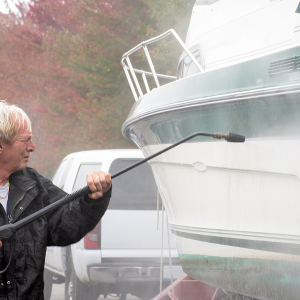
For freshwater biosecurity, the most important time is whenever you move between waterways.
But it helps to break the process into three stages.
1. At the Boat Ramp
Before leaving:
- Remove visible weeds
- Remove mud and plant material
- Drain freshwater
- Check the trailer
- Check the anchor
- Inspect obvious wet equipment
2. At Home or Your Cleaning Area
Complete any required cleaning treatment.
Then:
- Clean normal boat grime
- Open compartments
- Dry absorbent areas
- Clean fish bins
- Hang ropes and nets
- Allow ventilation
3. Before Your Next Trip
Do one final inspection.
Make sure equipment is completely dry and check whether the destination has special biosecurity requirements.
This three-stage approach is easier than trying to remember everything immediately before launching.
Moving Between Waterways Quickly? Cleaning Becomes Even More Important
Not every boating trip has a week between launches.
You might spend Saturday at one lake and Sunday at another.
If there is not enough time for everything to fully dry, you cannot rely on drying alone.
Follow the cleaning treatment specified for the region and equipment.
This is particularly important for absorbent materials such as:
- Rope
- Carpet
- Waders
- Nets
- Lifejackets
- Fabric equipment
When planning a multi-waterway trip, treat biosecurity the same way you treat fuel or safety equipment:
plan for it before leaving home.
Bring what you need rather than hoping the equipment dries in the back of the ute overnight.
Don't Forget About Different Rules Across New Zealand
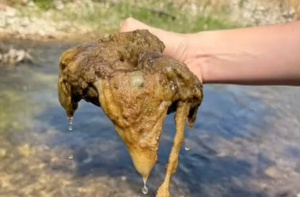
One of the biggest mistakes a boatie can make is assuming the same freshwater biosecurity rules apply everywhere.
New Zealand's current guidance differs between the North and South Islands because the pest risks differ.
There are also Controlled Area Notices in certain locations, including areas affected by invasive freshwater clams.
The South Island remains a Controlled Area for Didymo.
Before travelling:
- Check MPI guidance.
- Check your regional council.
- Look for Controlled Area Notice requirements.
- Follow any rules specific to the waterway you're entering or leaving.
A two-minute check before the trip can save a lot of confusion at the ramp.
Make Biosecurity Part of Your Normal Boating Routine
The easiest checklist is the one you barely have to think about.
Experienced boaties already have routines for:
- Fuel
- Lifejackets
- Batteries
- Fishing gear
- Weather
- Drain plugs
- Tow connections
- Trailer lights
Freshwater biosecurity should sit on that same mental checklist.
When retrieving the boat:
Check.
When you've finished with the water:
Drain and clean.
Before the next launch:
Make sure everything is dry and compliant with local rules.
Once it becomes routine, it stops feeling like an extra job.
It's simply part of boating responsibly in New Zealand.
Protect the Waterways You Want to Come Back To
New Zealand's lakes and rivers are a huge part of why boating here is so good in the first place.
They are places to fish, waterski, paddle, explore, camp and spend time with family and friends.
Unfortunately, the same boat that takes us to those places can also move invasive organisms between them if we are not careful.
The good news is that prevention can start with remarkably simple actions:
Remove what you can see.
Drain the water you cannot take with you.
Clean what may still be there.
Dry everything properly.
Check the rules before the next launch.
A few extra steps at the end of one trip can help reduce the risk of carrying unwanted freshwater hitchhikers into the next one.
Why Choose Insinc for Routine Boat Cleaning?
A good biosecurity routine goes hand-in-hand with keeping boating equipment clean and well maintained.
Insinc supplies Bio-Zyme Enzyme Based Cleaner, which has manufacturer guidance for a range of marine-cleaning applications.
Bio-Zyme can be used as part of routine cleaning for compatible:
- Boat exteriors
- Fish bins
- Canvas and clears
- Upholstery
- Carpets
- Washable interior surfaces
Its Safety Data Sheet describes the product as readily biodegradable, while Insinc also provides supporting technical and environmental certification information for the product.
For invasive freshwater pests, remember that routine cleaning and official biosecurity treatment are not interchangeable.
Always follow MPI's current Check Clean Dry instructions first when moving between freshwater environments.
Keep Your Boat Clean Between Adventures
Frequently Asked Questions About Boat Cleaning and Freshwater Biosecurity
Do I need to clean my boat every time I move between lakes or rivers?
New Zealand's Check Clean Dry guidance recommends checking, cleaning and drying boats and equipment whenever moving between freshwater environments. The exact treatment depends on your region and the equipment involved.
What is Check Clean Dry?
Check Clean Dry is New Zealand's freshwater biosecurity programme designed to reduce the movement of invasive freshwater weeds, pests and algae between waterways.
Check for visible material, Clean your craft and equipment according to the relevant instructions, and Dry gear thoroughly before moving to another location.
Is Check Clean Dry only about Didymo?
No. Didymo is one important freshwater pest, particularly in the South Island, but Check Clean Dry is intended to help reduce the spread of multiple freshwater invasive species.
Are the Check Clean Dry rules the same in the North and South Islands?
No. Current MPI guidance differs between the North and South Islands because they face different invasive-species risks. Some waterways also have additional Controlled Area Notice requirements.
Always check current rules before travelling.
What parts of my boat should I check before leaving a lake?
Inspect the hull, trailer, propeller, anchor, chain, ropes, bilge, drain areas and any other surfaces or equipment that contacted freshwater.
Remove visible weed, mud and other organic material before leaving.
Do I need to drain my boat before travelling?
Yes. Drain river or lake water from areas such as the bilge, live wells, bait tanks and other containers before transporting the craft to another freshwater location.
Does the trailer need to be cleaned too?
Yes. Parts of the trailer enter the water during launch and retrieval and can trap weeds and other material.
Pay particular attention to rollers, axles, wheel areas, bunks and sections of the frame where vegetation can become caught.
How long should my boat and gear dry?
Current MPI guidance generally advises allowing equipment to dry completely to the touch, inside and out, and then leaving it dry for at least 48 hours before using it again.
Check the current regional guidance because additional treatment may be required depending on where you are boating.
Is rinsing my boat with water enough?
Not necessarily.
The treatment required depends on the region and the type of equipment. In some situations, particularly for absorbent materials or South Island Didymo prevention, specific treatment methods are recommended.
Follow the current MPI instructions for the region rather than relying on rinsing alone.
What boat equipment is most likely to stay wet?
Absorbent or enclosed materials tend to retain moisture longer, including anchor ropes, carpets, nets, lifejackets, upholstery and enclosed storage areas.
These deserve extra attention when drying the boat.
Can I use Bio-Zyme as part of my boat-cleaning routine?
Yes. Bio-Zyme has manufacturer guidance for routine marine applications including boat exteriors, fish bins, canvas, suitable upholstery, carpets and general washable areas.
Is Bio-Zyme biodegradable?
The current Bio-Zyme Safety Data Sheet describes the cleaner as readily biodegradable. As with any cleaning product, follow the manufacturer's instructions and prevent cleaning wastewater from entering waterways or stormwater systems.
Where can I find the latest boat biosecurity rules in New Zealand?
Check the Ministry for Primary Industries' Check Clean Dry guidance and the relevant regional council before moving your boat between waterways. Pay particular attention to any Controlled Area Notices applying to your destination.
https://www.insinc.co.nz/product/bio-zyme-general-cleaner.html