
Didymo and Your Fishing Equipment: Can Your Gear Spread It?
Yes, fishing equipment can help spread Didymo and other freshwater pests between New Zealand waterways. Waders, boots, landing nets, fishing lines, lures, ropes and other gear can retain water or tiny fragments of biological material even when they look clean. Learn which fishing equipment deserves the most attention, how New Zealand's Check Clean Dry method works, and how to build a safer cleaning routine between fishing trips.
Your fishing gear probably doesn't look like a biosecurity risk.
A rod dries quickly. A landing net looks clean once the weeds have been pulled off. Your waders might only be slightly damp when they go back into the vehicle.
But when you move that equipment from one river or lake to another, you may be carrying more than your tackle.
Freshwater pests can hitch a ride on wet fishing equipment—and some are far too small to see.
One of the best-known examples in New Zealand is Didymo (Didymosphenia geminata), commonly called “rock snot”.
Didymo has established in a number of South Island waterways. It has not been detected in the North Island, and preventing further spread remains an important part of freshwater biosecurity in New Zealand. The entire South Island is currently covered by a Controlled Area Notice for Didymo, which makes Check Clean Dry a legal requirement for gear used in the water before moving between South Island waterways.
And yes—your fishing equipment can be part of the problem.
MPI's freshwater pest guidance specifically identifies recreational equipment as a potential pathway for spreading invasive species. Even tiny fragments, eggs or small amounts of water carried on equipment can introduce unwanted organisms into another waterway.
For anglers, that makes one habit particularly important:
Check. Clean. Dry. Every time you move between waterways.
What Is Didymo?
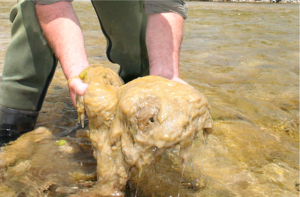
Didymo is a freshwater algae that grows on submerged surfaces such as rocks and aquatic plants.
When conditions allow it to proliferate, it can form thick brown or beige mats across parts of a river or lake bed. These growths are sometimes described as having a woolly or fibrous appearance, which is where Didymo's less flattering nickname—“rock snot”—comes from.
Didymo is classed as an unwanted organism in New Zealand.
Large growths can affect freshwater habitats and recreational use of waterways. They can cover riverbeds, interfere with fishing and alter habitat for aquatic organisms.
DOC notes that severe Didymo blooms may affect insects that trout feed on and make some angling methods significantly more difficult because fishing gear can become continually clogged.
But from a biosecurity point of view, one of the biggest concerns is not what an established bloom looks like.
It is how easily biological material can move from one waterway to another.
Can Fishing Gear Really Spread Didymo?
Yes.
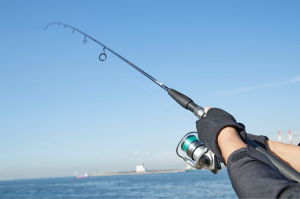
Fishing equipment is one of the recognised pathways through which Didymo and other freshwater pests can potentially move between waterways.
MPI's freshwater pest guide notes that shed Didymo cells can survive in cool, wet conditions and may be transported on equipment including fishing gear, waders, kayaks and vehicles used around freshwater.
That means your equipment does not need to have an obvious clump of brown algae attached to it to deserve cleaning.
Potential contamination could remain in:
- Water trapped in a landing net
- Damp wader fabric
- Boot seams
- Fishing line
- Reel components
- Lures and flies
- Tackle boxes containing wet equipment
- Socks or clothing
- Ropes
- Other absorbent fishing equipment
Even gear that looks clean may still be wet enough to transport unwanted organisms.
That is why simply giving everything a quick visual inspection isn't enough.
Why Wet Fishing Equipment Is Such a Concern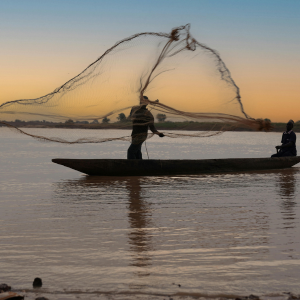
Water is the common denominator.
Many freshwater organisms need moisture to survive outside their original environment.
When equipment remains wet, that moisture can provide a temporary environment in which unwanted biological material survives long enough to reach another river or lake.
This is particularly important with absorbent equipment.
Materials such as fabric, rope, netting and some footwear may remain damp internally long after the outside appears dry.
MPI's current Check Clean Dry guidance therefore treats absorbent gear differently from hard, non-absorbent equipment.
The risk is easy to imagine:
River A → wet gear → vehicle → River B
If the equipment hasn't been correctly checked, cleaned and dried between those locations, whatever was picked up at River A may get another opportunity to enter the water.
Which Fishing Equipment Can Spread Didymo?
Anything that has contact with freshwater should be considered part of your biosecurity routine.
Some items deserve particularly close attention.
1. Waders
Waders are one of the most obvious pieces of equipment to check.
They spend long periods:
- Submerged in water
- Rubbing against rocks
- Moving through algae and vegetation
- Contacting riverbed sediment
They also contain seams, folds and textured areas where moisture or biological material can remain.
After fishing, inspect:
- Lower legs
- Knees
- Seams
- Gravel guards
- Boot attachments
- Internal surfaces if water entered the waders
If the waders are still damp, don't simply roll them up and put them into a sealed bag until your next trip.
Treat and dry them according to current Check Clean Dry guidance.
2. Wading Boots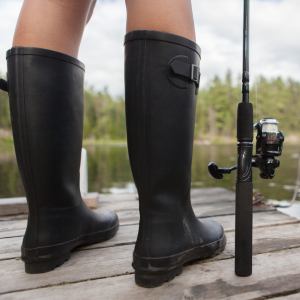
Your boots may come into even more direct contact with the riverbed than your waders.
Mud, plant fragments and organic material can become trapped around:
- Tread
- Laces
- Eyelets
- Seams
- Tongues
- Insoles
- Between the boot and sole
Remove all visible contamination first.
Then complete the appropriate cleaning treatment and allow them to dry thoroughly.
What About Felt-Soled Wading Boots?
Felt deserves special attention because its dense, absorbent structure can trap moisture and microscopic material.
Felt-soled waders and footwear containing felted, matted or woven fibrous soles cannot be used when sports fishing in New Zealand. Fish & Game identifies the difficulty of thoroughly cleaning and drying felt as a major reason for the restriction.
For anglers travelling to New Zealand, MPI also recommends leaving felt-soled waders at home because of the biosecurity risks associated with used aquatic equipment.
3. Landing Nets
Landing nets are easy to underestimate.
They spend a considerable amount of time submerged and contain hundreds of small spaces capable of holding water or fragments of plant material.
Netting can also remain damp for hours.
Inspect:
- Mesh
- Knots
- Frame
- Handle
- Folding joints
- Attachment points
Remove visible material and treat the net as absorbent equipment if its construction allows it to retain water.
After cleaning, hang the net somewhere with good airflow rather than placing it wet into the boot of the car or a closed equipment bag.
4. Fishing Line and Leaders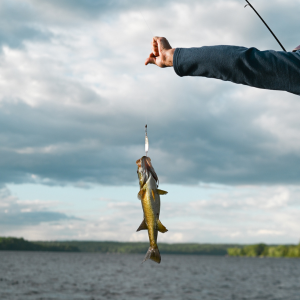
Fishing line seems too thin to matter.
But it repeatedly enters the water and can travel through vegetation, algae and submerged debris.
Pay particular attention to:
- Fly lines
- Backing
- Leaders
- Braided line
- Sections of line that have been submerged
- Line stored wet on reels
Fly lines and backing may take longer to dry than anglers expect.
Avoid storing wet tackle in a sealed container immediately after fishing.
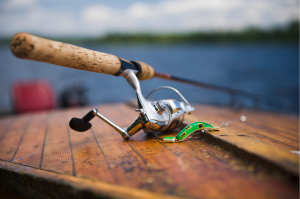
5. Fishing Rods
Rods themselves are generally less absorbent than waders or nets, but parts of the rod repeatedly contact wet line and water.
Check:
- Guides
- Tip
- Reel seat
- Handle
- Cork or foam grips
- Rod sections around joints
Remove visible debris and allow the rod to dry before placing it back into a closed rod tube or bag.
6. Fishing Reels
Reels contain plenty of small spaces where moisture can remain.
Potential areas include:
- Spool
- Line
- Handle
- Bail
- Drag components
- Frame openings
You don't need to dismantle your reel after every trip, but wet line and exterior components should be cleaned and allowed to dry appropriately.
When using any treatment on reels, always consider the manufacturer's instructions because strong chemicals or excessive heat may damage finishes, lubricants or internal components.
7. Flies and Lures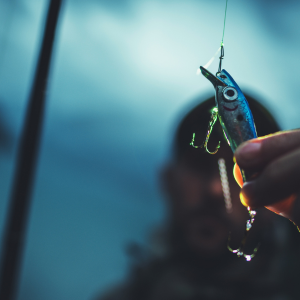
The lure that caught the last trout may be sitting wet inside your tackle box.
That is easy to forget.
Fishing flies are particularly worth considering because materials such as:
- Feathers
- Fur
- Synthetic fibres
- Thread
can retain moisture.
Hard-bodied lures can also carry weed or fragments around:
- Hooks
- Split rings
- Skirts
- Joints
- Treble hooks
Do not move wet tackle straight from one freshwater environment to another.
8. Tackle Boxes and Fishing Bags
The tackle box itself may never enter the water.
The wet gear you put inside it does.
A tackle box can therefore become a secondary source of moisture and contamination.
Look for:
- Water in compartments
- Wet lures
- Damp flies
- Plant fragments
- Mud
- Wet leader material
- Damp cloths
Allow wet equipment to dry before sealing everything away.
The same applies to backpacks and fishing bags.
9. Socks and Clothing
If you've been wading deeply enough for socks or clothing to become wet, they should be included in your cleaning routine.
DOC's Fiordland guidance specifically notes that wet or damp fishing equipment can include socks and boots, reinforcing that biosecurity doesn't stop at conventional fishing tackle.
Wet clothing thrown straight into a plastic bag can remain damp for a long time.
Treat it appropriately before your next freshwater trip.
10. Keep Nets, Traps and Other Fishing Equipment
Depending on the type of freshwater fishing you're doing, equipment may also include:
- Keep nets
- Traps
- Bait containers
- Fish measuring mats
- Fish bags
- Buckets
- Whitebaiting nets
Anything that has been submerged—or has held water taken from a river or lake—should be considered.
DOC's current advice for whitebaiters specifically warns that moving wet nets, waders and other equipment between waterways can spread Didymo, invasive freshwater clams and aquatic weeds.
A Simple Rule: If It Touched Freshwater, Check It
It is tempting to decide what needs cleaning based on whether something looks dirty.
That's the wrong test.
Instead ask:
Did this item touch freshwater?
If yes, include it in your Check Clean Dry routine.
That includes equipment you may not normally think of as dirty.
A perfectly clean-looking net can still be wet.
A fly can still be damp.
A rope can hold moisture internally.
A boot can have water trapped around its seams.
Biosecurity isn't the same thing as appearance.
How to Check Fishing Equipment for Didymo and Other Freshwater Pests
The first part of New Zealand's national approach is Check.
Before leaving the waterway:
- Inspect everything that entered the water.
- Remove visible weeds, mud, clams or organic material.
- Leave removed material at the river or lake bank or place it in rubbish.
- Drain river or lake water from equipment beside the waterway.
MPI advises against washing removed material into drains or stormwater systems.
Pay special attention to:
- Boot soles
- Wader seams
- Landing nets
- Lines
- Anchors and ropes
- Kayaks and fishing craft
- Wet storage areas
Checking before you leave means visible material stays where it came from rather than travelling home with you.
How Should You Clean Fishing Gear Between Waterways?
After checking, the next step is Clean.
Current MPI Check Clean Dry guidance recommends blasting appropriate watercraft and gear with tap water onto grass, rather than directing wash water into stormwater systems or drains.
Absorbent equipment requires additional treatment.
MPI currently lists three straightforward options for absorbent materials:
Option 1: Dishwashing Detergent
Soak the item in a 10% dishwashing detergent solution for 10 minutes.
Option 2: Hot Tap Water
Soak in hot tap water at approximately 50°C to 55°C for at least five minutes.
Option 3: Freezing
Freeze suitable equipment until solid, generally overnight.
Different equipment may tolerate different treatments.
For example, hot water may not be appropriate for every reel, line, adhesive or synthetic material.
Always consider the manufacturer's care instructions and check the current MPI or regional biosecurity advice before selecting a treatment.
MPI also provides additional treatment options for situations where the standard methods are unsuitable.
Don't Forget to Dry Your Fishing Gear
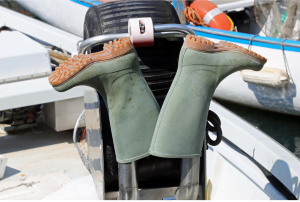
The final step is Dry.
After cleaning, allow gear to dry completely:
inside and out.
Then leave it dry for another 48 hours before using it again.
MPI's current instructions specify this two-day drying period for fishing gear and other equipment after it has become dry to the touch.
Otago Regional Council similarly warns that Didymo can survive for long periods on moist gear, making thorough drying particularly important.
This is why damp equipment stored inside:
- Plastic bags
- Rod tubes
- Fishing packs
- Vehicles
- Closed tackle boxes
can be problematic.
Give moisture somewhere to escape.
Check Clean Dry Is Not Only for Waterways Where You Can See Didymo
A common mistake is thinking:
“I didn't see any Didymo, so my equipment should be fine.”
That logic doesn't work.
Firstly, you may not be able to see the biological material capable of being moved.
Secondly, Check Clean Dry helps prevent the spread of more than Didymo.
New Zealand waterways face other invasive pests, algae and weeds, including freshwater clams and invasive aquatic plants. MPI's national programme is designed to reduce the movement of these organisms between waterways generally.
So the habit should be:
Clean between waterways—not only after visiting a waterway known to have Didymo.
Is Cleaning Fishing Gear Between South Island Rivers Mandatory?
Yes.
The entire South Island is currently covered by a Controlled Area Notice for Didymo.
Under that notice, people must Check Clean Dry gear used in freshwater before moving from one South Island waterway to another.
There are also specific freshwater biosecurity requirements elsewhere in New Zealand.
For example, Controlled Area Notices relating to invasive freshwater clams apply to parts of the Waikato River and Te Arawa Lakes, with particular requirements for recreational water users and fishing equipment.
Because rules can change, always check MPI and regional guidance before travelling.
Fishing in Fiordland? Check the Rules Before You Go
Some fishing destinations have additional restrictions beyond the general Check Clean Dry message.
Fiordland is one example.
DOC maintains specific freshwater pest-prevention requirements for parts of Fiordland National Park, and restrictions may include cleaning certification or other rules depending on the fishing season and location.
If you're planning a fishing trip there, check current DOC and Fish & Game requirements before packing your gear.
This is especially important for anglers travelling between several rivers during the same trip.
Can You Just Keep Separate Fishing Gear for Different Waterways?
In some situations, keeping dedicated equipment for a particular waterway can reduce the risk created by repeatedly moving wet gear.
For example, an angler who regularly fishes two locations could potentially keep frequently submerged equipment separate.
However, that does not remove your responsibility to follow applicable biosecurity rules.
You still need to:
- Check equipment
- Follow regional requirements
- Keep gear clean
- Avoid transporting freshwater
- Understand Controlled Area Notices
Dedicated equipment can be an additional precaution—not a replacement for Check Clean Dry.
What About Cleaning Products?
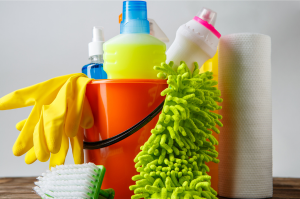
There are really two different cleaning jobs involved here.
Biosecurity Cleaning
The purpose is to prevent freshwater pests from being transported between waterways.
For this, follow the treatment specified by MPI, DOC or the relevant regional authority.
Routine Fishing Equipment Cleaning
The purpose is to remove everyday:
- Dirt
- Fish residue
- Organic grime
- Odours
- Mud
- Other soils
This is where a general-purpose cleaning product may be useful.
Keeping these jobs separate prevents a common mistake: assuming that because a product cleans a surface well, it must also be an approved treatment for Didymo.
That isn't necessarily true.
Where Bio-Zyme Can Fit Into Your Fishing Equipment Routine
Insinc's Bio-Zyme Enzyme Based Cleaner is a multipurpose enzyme-based cleaner intended for washable surfaces and a variety of general cleaning applications.
Insinc also provides manufacturer guidance for marine uses such as boat exteriors, fish bins, washable interior surfaces, canvas, upholstery and carpets.
For anglers, Bio-Zyme can therefore be considered as part of routine cleaning of compatible washable equipment and surfaces, particularly where organic residues and everyday grime need to be removed.
Looking for an Enzyme-Based Cleaner for Routine Gear Care?
SHOP BIO-ZYME ENZYME BASED CLEANER
Why Use an Environmentally Considered Cleaner Around Outdoor Equipment?
People who fish generally have a pretty obvious reason to care about water quality.
The waterways are the reason you're there.
That makes the environmental profile of routine cleaning products worth considering.
The Bio-Zyme Safety Data Sheet describes the product as readily biodegradable, and its marine guidance positions it as an environmentally preferable cleaner for appropriate marine cleaning applications.
That does not mean cleaning solution should be discharged directly into a river, lake or stormwater drain.
Cleaning should still be carried out appropriately, with wastewater kept away from freshwater environments and disposed of according to product and local guidance.
A Fishing Gear Biosecurity Checklist
Before moving from one freshwater location to another, use this quick checklist.
Before Leaving the River or Lake
-
Check waders for visible plant material
-
Check boot soles, seams and laces
-
Inspect the landing net
-
Remove weeds from line, lures and hooks
-
Check rods and reels
-
Empty containers holding freshwater
-
Inspect any boat, kayak or paddle used during the trip
-
Leave removed plant material at the waterway or put it in rubbish
During Cleaning
-
Follow current MPI Check Clean Dry guidance
-
Treat absorbent items appropriately
-
Pay particular attention to waders, nets, footwear and ropes
-
Check manufacturer instructions before applying heat or cleaning products to delicate fishing equipment
-
Keep cleaning water out of stormwater drains and natural waterways
Before Your Next Trip
-
Make sure gear is completely dry inside and out
-
Leave it dry for the recommended 48-hour period
-
Open tackle boxes and bags so moisture can escape
-
Check wet flies and lures
-
Confirm any special biosecurity rules for your destination
-
Check Controlled Area Notices where relevant
It only takes one overlooked damp item to undermine an otherwise careful cleaning routine.
Going Fishing in More Than One River? Plan Ahead
Cleaning becomes more important when fishing trips involve several waterways.
Suppose your weekend looks like this:
Saturday morning: River A
Saturday afternoon: River B
Sunday: River C
There may not be enough time for equipment to dry for 48 hours between each location.
That means you need to plan your cleaning process in advance.
Consider:
- Carrying appropriate cleaning equipment
- Having spare dry gear
- Using different equipment where practical
- Giving yourself enough time for approved treatment
- Checking regional rules before setting off
The worst time to realise your waders need treatment is when you're already standing beside the next river.
Make Check Clean Dry Part of Your Fishing Routine
Anglers already have rituals.
You check the weather.
You check river levels.
You organise flies and lures.
You make sure the rod is in the car.
You probably check several times that the rod is in the car, because driving two hours without it would be a uniquely painful kind of morning.
Freshwater biosecurity should become another part of that routine.
After fishing:
Check the gear.
Before moving:
Clean it.
Before using it elsewhere:
Make sure it has dried properly.
The process becomes much easier when it is simply part of packing up rather than something you remember just before the next trip.
Why Anglers Play an Important Role in Protecting New Zealand Waterways
Fishing gives us access to some pretty extraordinary parts of New Zealand.
But anglers also move between waterways more often than many other recreational users.
One weekend can involve several rivers, different catchments and a lot of wet equipment.
That mobility makes anglers especially important in freshwater biosecurity.
Preventing Didymo and other invasive species from moving does not depend on one massive action.
It depends on thousands of small ones:
- Cleaning boots
- Drying nets
- Removing weeds
- Emptying water
- Checking tackle
- Not moving damp equipment directly into another river
Your gear doesn't need to look dirty to carry a freshwater pest.
And that's the point worth remembering:
Clean gear isn't just about looking after your fishing equipment. It can also help look after the places where you use it.
Frequently Asked Questions About Didymo and Fishing Equipment
Can fishing equipment spread Didymo?
Yes. Fishing and recreational freshwater equipment can transport Didymo and other invasive organisms between waterways. Wet gear such as waders, boots and nets deserves particular attention because it can retain moisture. MPI specifically identifies fishing equipment as a potential pathway for spreading freshwater pests.
Can Didymo spread even if I can't see it on my gear?
Yes. Equipment does not need to have a visible Didymo mat attached to present a risk. Microscopic material and very small amounts of water can potentially move invasive freshwater organisms between waterways.
What fishing gear should I Check Clean Dry?
Anything that contacts freshwater should be included, particularly waders, boots, landing nets, rods, reels, fishing line, flies, lures, ropes, wet clothing and other equipment used in or near the water.
Are waders a high-risk item?
Waders can retain water and repeatedly contact riverbeds, vegetation and freshwater. Pay particular attention to seams, folds, gravel guards, boot areas and other places capable of remaining damp.
Are felt-soled waders allowed in New Zealand?
Felt-soled waders and fishing footwear incorporating felted, matted or woven fibrous soles are prohibited for sports fishing in New Zealand. Felt can retain moisture and is difficult to clean thoroughly.
Do fishing nets need to be cleaned?
Yes. Landing nets and other fishing nets repeatedly enter freshwater and can retain both water and fragments of organic material. Check, clean and thoroughly dry them before moving between waterways.
Does fishing line need cleaning?
Fishing line contacts freshwater and can carry small amounts of water or organic material. Include submerged line, leaders and related equipment in your Check Clean Dry routine.
How should I clean absorbent fishing gear?
Current MPI guidance lists several treatments for absorbent gear, including soaking in a 10% dishwashing detergent solution for 10 minutes, soaking in hot tap water at 50°C to 55°C for at least five minutes, or freezing until solid. Always check current guidance and equipment-care instructions before treatment.
How long should fishing equipment dry?
MPI currently advises allowing gear to dry completely to the touch, inside and out, and then leaving it dry for another 48 hours before using it again.
Is cleaning fishing gear mandatory in the South Island?
Yes. The entire South Island is covered by a Controlled Area Notice for Didymo, and Check Clean Dry is legally required for gear used in freshwater before it is moved from one South Island waterway to another.
Is Didymo in the North Island?
Didymo has not been detected in the North Island according to current MPI information. However, anglers should still Check Clean Dry because other invasive freshwater pests are present or could be spread between North Island waterways.
Can I use Bio-Zyme to clean my fishing equipment?
Bio-Zyme is a general enzyme-based cleaner suitable for compatible washable surfaces and has manufacturer guidance for several marine-cleaning applications. It can be used for routine cleaning where appropriate, following product and equipment instructions.
Does Bio-Zyme kill Didymo?
Bio-Zyme should not be claimed as a Didymo treatment unless specific efficacy evidence supports that use. Use the official MPI or regional Check Clean Dry methods for freshwater biosecurity.
Should I clean fishing equipment even if I'm only fishing in the North Island?
Yes. Didymo is not the only invasive freshwater organism of concern in New Zealand. Check Clean Dry helps reduce the movement of invasive weeds, algae, clams and other freshwater pests between waterways.
https://www.insinc.co.nz/product/bio-zyme-general-cleaner.html