
How to Clean Your Boat and Fishing Gear to Help Stop the Spread of Didymo in New Zealand
A day on a New Zealand river or lake usually ends with packing up the rods, loading the boat and heading home.
But before you move your boat, fishing gear or other equipment to another waterway, there is one more job worth adding to the routine:
Check. Clean. Dry.
Boats, anchors, ropes, fishing nets, waders and other equipment that comes into contact with freshwater can potentially carry aquatic pests from one location to another. Some organisms are so small that you may not even realise they are there.
One of New Zealand's best-known freshwater threats is Didymo, sometimes called rock snot.
Didymo has been present in the South Island since it was first reported in New Zealand in 2004. It has been found in a number of South Island waterways, while it has not been detected in the North Island. The South Island is a Controlled Area for Didymo, making cleaning gear before moving between South Island waterways a legal requirement.
For anglers and boaties, helping prevent its spread does not require complicated equipment. It starts with consistently checking, cleaning and drying anything that has been in contact with freshwater.
This guide explains how to clean your boat and fishing gear to help prevent the spread of Didymo, which areas are easy to overlook, and how environmentally considered products such as Bio-Zyme can fit into your regular boat-cleaning routine.
What Is Didymo?
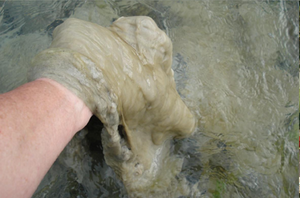
Didymo, or Didymosphenia geminata, is an invasive freshwater algae that can form thick growths across rocks, plants and riverbeds.
Despite its nickname, “rock snot”, Didymo does not necessarily feel slimy. Otago Regional Council describes established mats as having a texture more like wet cotton wool, with brownish growths that can form long, pale strands in the water.
Large Didymo blooms can cover parts of freshwater environments, affecting how waterways look and function.
The problem for people who fish, boat, kayak or otherwise move between rivers and lakes is that freshwater pests can hitchhike on wet equipment.
You do not need to see a large clump of Didymo for equipment to present a risk.
That is why New Zealand's biosecurity advice focuses on what happens between waterways, not simply what equipment looks like when you pull it out of the water.
Why Boaters and Anglers Need to Think About Freshwater Biosecurity
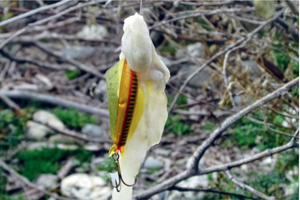
Fishing and boating naturally involve moving equipment from place to place.
You might fish one river this weekend and another the following week.
A boat may be launched at several lakes throughout a season.
Fishing equipment might move between waterways even more frequently.
Every item that touches freshwater can potentially become a transport route for aquatic organisms.
That includes obvious items such as:
-
Boats and watercraft
-
Fishing rods and reels
-
Landing nets
-
Waders
-
Wading boots
-
Kayaks
-
Paddleboards
-
Paddles
But it also includes less obvious items such as:
-
Anchor ropes
-
Chains
-
Boat carpets
-
Trailer components
-
Lifejackets
-
Tackle containers
-
Fish bins
-
Bait containers
-
Wet clothing
-
Tow ropes
-
Bilge areas
-
Motor components exposed to water
New Zealand's Ministry for Primary Industries recommends using Check, Clean, Dry every time you move between lakes, rivers and streams because invasive freshwater weeds, pests and algae can be transported on boats and equipment.
For South Island waterways, Didymo provides an especially important reason to make this part of your normal fishing or boating routine.
The Check, Clean, Dry Method
The core message is straightforward:
CHECK your equipment.
CLEAN anything that has been in contact with freshwater.
DRY it thoroughly before using it somewhere else.
It sounds simple—and that's the point.
Making these steps part of your routine is much easier than trying to control an invasive freshwater pest once it has established in another waterway.
Step 1: Check Your Boat and Fishing Gear
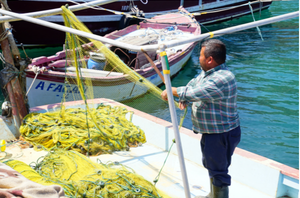
Before leaving a river or lake, inspect your equipment carefully.
Look for:
-
Weed
-
Algae
-
Mud
-
Sediment
-
Plant fragments
-
Other visible organic material
Remove anything you find.
Otago Regional Council advises leaving removed plant material at the waterway or putting it into rubbish rather than washing it down a drain.
Also drain water from your boat and equipment before moving on.
Areas of a Boat Worth Checking
Do not simply look at the visible hull.
Pay attention to places where water and organic material can remain trapped, including:
-
Anchor and anchor chain
-
Anchor rope
-
Propeller area
-
Motor components
-
Bilge
-
Drain plugs
-
Carpeted areas
-
Boat floor
-
Tow ropes
-
Storage compartments
-
Fish bins
-
Trailer rollers
-
Trailer frame and wheel areas exposed during launching
Anything that stays wet deserves particular attention.
Step 2: Clean Equipment That Has Been in Freshwater
Visual inspection alone isn't enough.
Freshwater organisms can remain even when equipment looks clean, so the next stage is to use an appropriate treatment.
For Didymo prevention in the South Island, current Otago Regional Council guidance lists several cleaning options.
Dishwashing Detergent
Use a 10% dishwashing detergent solution—one part detergent to nine parts water.
Soak or thoroughly wet the surfaces and leave them wet for at least 10 minutes.
Bleach
A 2% bleach solution can also be used, with items soaked or sprayed for at least one minute.
Hot Water
Hot-water treatment can also be suitable:
-
Water above 60°C for at least one minute, or
-
Water above 45°C for at least 20 minutes.
Care is required with hot water, both for personal safety and to avoid damaging equipment.
Freezing
Suitable items can also be frozen until solid.
Absorbent materials may require particular care because moisture can remain inside them.
Always check the latest MPI or regional council instructions before travelling, particularly because treatment requirements can vary according to the freshwater pest, region and type of equipment involved.
Step 3: Dry Everything Thoroughly
Drying is not just an optional finishing touch.
It is part of the biosecurity process.
Otago Regional Council advises allowing equipment to become completely dry to the touch, inside and out, and then leaving it dry for at least another 48 hours before using it again.
Pay particular attention to:
-
Waders
-
Boots
-
Ropes
-
Nets
-
Carpet
-
Lifejackets
-
Soft tackle bags
-
Upholstery
-
Other absorbent materials
An item may look dry on the outside while still retaining moisture internally.
When in doubt, give it more time.
How to Clean a Boat Between New Zealand Waterways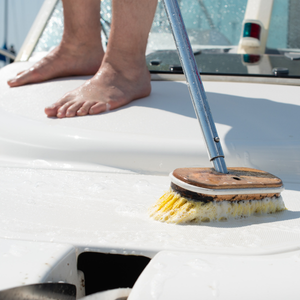
A boat has more potential hiding places than a fishing rod, so it helps to follow the same process every time.
1. Remove Visible Material
Before leaving the waterway, inspect the boat, trailer and equipment.
Remove weeds, mud and other organic matter.
Check underneath and around components rather than only looking at the obvious exterior surfaces.
2. Drain All Water
Empty areas capable of holding freshwater.
Depending on your craft, these may include:
-
Bilge areas
-
Live wells
-
Bait wells
-
Fish bins
-
Internal compartments
-
Engine-related areas
-
Buckets and containers
Do not transport water unnecessarily from one freshwater environment to another.
3. Pay Attention to Damp Areas
A boat's outer surfaces may dry relatively quickly during transport.
Ropes, carpet, upholstery and enclosed areas are different.
These are exactly the places worth treating carefully because they may hold moisture for longer.
4. Clean the Equipment Stored on Board
Don't stop at the boat itself.
A perfectly clean boat does little good if the landing net, waders or anchor rope stored inside it is still wet from the previous waterway.
Think of the boat and everything inside it as one system.
5. Allow Everything to Dry
Open compartments where practical and allow airflow to reach damp areas.
Remember that the goal is not simply making the boat look dry—it is ensuring moisture is not being carried into the next freshwater environment.
How to Clean Fishing Rods and Reels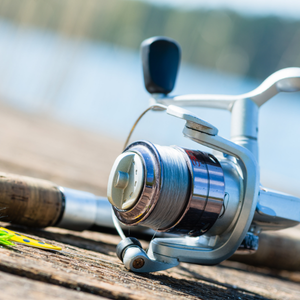
Fishing rods may look unlikely to transport biological material, but sections of the rod and line frequently come into contact with water.
Pay particular attention to:
-
Fishing line
-
Guides
-
Reel
-
Rod handle
-
Lures
-
Hooks
-
Leader material
Remove visible plant material first.
Then follow the appropriate Check, Clean, Dry treatment for equipment that has contacted freshwater, taking the manufacturer's care instructions into account where treatments could affect a material or component.
Allow rods and reels to dry completely before storing them away.
Avoid immediately sealing wet gear inside a vehicle, bag or rod case where moisture can remain trapped.
Don't Forget Your Fishing Net
Landing nets deserve extra attention because they:
-
Spend significant time in the water.
-
Have many small spaces where material can become trapped.
-
Can remain damp for a long time.
Inspect the mesh, frame and handle carefully.
Remove visible material, apply the appropriate cleaning method, and allow the entire net to dry thoroughly before using it in another waterway.
Simply throwing a wet net into the back of the ute until the next trip is exactly the sort of habit Check, Clean, Dry aims to prevent.
Waders and Boots Are Particularly Important
Waders and footwear move directly through riverbeds and shallow water.
That puts them in contact with:
-
Rocks
-
Sediment
-
Plants
-
Algae
-
Water
Check seams, soles, laces and textured surfaces carefully.
Absorbent materials require extra attention because water can remain inside them even when the outside feels relatively dry.
Follow the appropriate official treatment and manufacturer's instructions, then allow plenty of drying time.
What About Anchors, Ropes and Boat Carpets?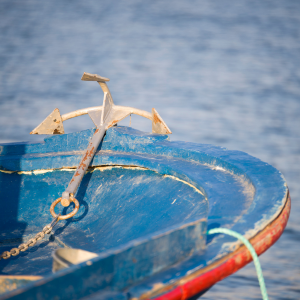
These are some of the easiest parts of the boat to forget.
They are also precisely the kinds of equipment that can remain wet.
Anchors
Inspect the anchor itself as well as the chain for trapped vegetation and mud.
Anchor Ropes
Rope can hold water internally.
Treat it as an absorbent item and make sure it has adequate time to dry.
Carpeting
Marine carpet can hold moisture beneath the surface.
Pay particular attention to carpeted areas that have been splashed or submerged.
Tow Ropes
If a tow rope has contacted freshwater, include it in your cleaning routine rather than assuming it will dry quickly while stored.
The rule of thumb is simple:
If it got wet, check it.
Where Does Bio-Zyme Fit Into Boat and Fishing Gear Cleaning?
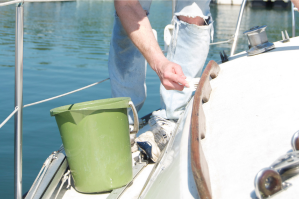
Biosecurity cleaning and routine boat cleaning overlap, but they are not exactly the same thing.
This distinction is important.
Bio-Zyme should not be presented as a replacement for an official Didymo treatment unless specific testing confirms that use.
For preventing the spread of Didymo, follow the official Check, Clean, Dry instructions from MPI and your regional council.
Bio-Zyme can instead be incorporated into the broader routine for keeping boats and washable equipment clean.
Bio-Zyme Enzyme Based Cleaner is a multipurpose enzyme-based cleaner designed for use on washable surfaces, with marine cleaning applications including boat exteriors, fish bins and other suitable surfaces.
This makes it a useful option for anglers and boaties who also want to remove accumulated dirt, organic residues and other soils after a trip.
An Environmentally Considered Option for Routine Boat Cleaning
Where a cleaning product will be used regularly around boats and outdoor equipment, its environmental profile is understandably important.
According to the ecological information in the Bio-Zyme Safety Data Sheet, the product is described as readily biodegradable and is not considered a hazard to the environment when used according to the manufacturer's instructions.
The SDS also states that there are no known significant effects or critical hazards relating to bioaccumulation.
However, “environmentally preferable” does not mean cleaning wastewater should simply be discharged directly into a lake, river or stormwater drain.
Good practice still means using cleaning products according to their instructions and disposing of wastewater appropriately.
A Good Routine: Biosecurity First, General Cleaning Second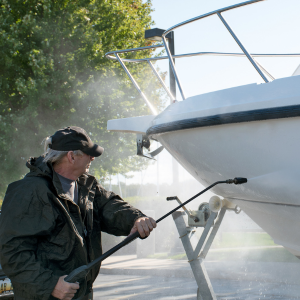
An easy way to think about the process is:
1. Check
Remove weeds, mud and visible material.
2. Complete the Appropriate Check, Clean, Dry Treatment
Use the current MPI or regional council procedure required for the freshwater pest risk and location.
3. Dry
Allow equipment to dry completely for the required period.
4. Maintain and Clean Your Equipment
Use an appropriate boat and equipment cleaner where needed to remove ordinary dirt, fish residue, grease, odours and other soils.
This is where Bio-Zyme can fit naturally into your broader boat-care routine without confusing general cleaning with Didymo decontamination.
Build a Simple Boat and Fishing Gear Cleaning Kit
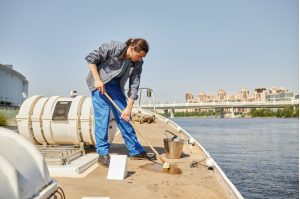
If you regularly move between New Zealand waterways, keeping a small cleaning kit in your vehicle or boat can make the process much easier.
Consider carrying:
-
Cleaning container or bucket
-
Appropriate Check, Clean, Dry treatment
-
Gloves where required
-
Bio-Zyme for routine boat and equipment cleaning
-
Clean freshwater
-
Rubbish bag for removed plant material
The best biosecurity process is one that actually gets followed.
If everything you need is already in the vehicle, there is less temptation to think, “I'll clean it when I get home.”
For a practical step-by-step guide to preparing your boat before moving between waterways, read our article, Boat Cleaning Between Lakes and Rivers: A Simple Biosecurity Checklist.
Create a Cleaning Routine Before Your Next Fishing Trip
If you visit several waterways, build cleaning into the trip rather than treating it as an occasional deep-cleaning job.
Before leaving a river or lake:
Check your boat and gear.
Remove visible plant matter and drain freshwater.
Back at your cleaning area:
Clean anything that requires treatment.
Pay special attention to damp and absorbent gear.
Before your next trip:
Make sure everything has dried properly.
Then carry out any additional routine cleaning and maintenance your boat and fishing gear need.
Done consistently, it becomes as normal as checking fuel, packing lifejackets or preparing fishing tackle.
Didymo Isn't the Only Reason to Check, Clean and Dry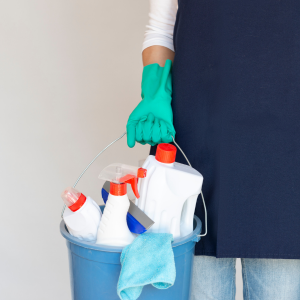
Although Didymo receives a lot of attention—especially in the South Island—the principle applies more broadly.
New Zealand has multiple invasive freshwater weeds, pests and diseases capable of being transported between waterways.
MPI's national Check Clean Dry programme is designed to reduce the spread of freshwater invasive species generally, not just Didymo.
That is especially relevant in the North Island.
Didymo has not been detected there, but that doesn't mean freshwater equipment can move freely without biosecurity precautions.
Other pests can still hitch a ride.
So regardless of where you're fishing or boating in New Zealand:
Check. Clean. Dry.
What Are the Rules for Didymo in the South Island?
The whole South Island is a Controlled Area for Didymo.
This means equipment used in freshwater must be properly cleaned before being moved from one South Island waterway to another.
There is also a broader responsibility under New Zealand's biosecurity rules not to knowingly spread invasive freshwater pests.
If you fish or boat regularly, it is worth checking the latest MPI and regional council guidance before travelling, as freshwater biosecurity requirements can change and some regions may have additional controls for particular pests.
Protecting Our Waterways Starts With Everyday Habits
Stopping the spread of invasive freshwater pests is not solely the job of councils, scientists or biosecurity officers.
Everyone moving equipment between waterways has a role.
For anglers and boaties, that responsibility fits naturally into ordinary gear care.
You already maintain your reels.
You check your boat.
You clean your fish bins.
You inspect the trailer.
Adding Check, Clean, Dry to that routine can help reduce the chance of carrying an unwanted passenger into the next river or lake.
And it doesn't have to be complicated.
Check before you leave.
Clean according to official guidance.
Dry before you move on.
A few extra minutes caring for your gear can help protect the waterways you'll want to come back and fish again.
Why Choose Bio-Zyme for Routine Boat and Equipment Cleaning?
Regular cleaning helps keep boating and fishing equipment in good condition between trips.
Insinc's Bio-Zyme Enzyme Based Cleaner is a versatile enzyme-based cleaner suitable for a range of washable surfaces and marine-cleaning applications.
It can be incorporated into routine cleaning for areas such as:
-
Boat exteriors
-
Fish bins
-
Canvas
-
Suitable upholstery
-
Carpets
-
General washable boat surfaces
Its Safety Data Sheet describes Bio-Zyme as readily biodegradable and not considered a hazard to the environment when used according to the manufacturer's instructions.
For freshwater biosecurity, always use the official Check, Clean, Dry treatment appropriate to your location and equipment first.
Keep Your Boat and Fishing Equipment Clean Between Trips
Frequently Asked Questions About Didymo and Cleaning Fishing Gear
What is Didymo?
Didymo is an invasive freshwater algae also known as “rock snot”. It can form thick mats across rocks and submerged plants in rivers and lakes. It was first reported in New Zealand in 2004 and has since been confirmed in various South Island waterways.
Is Didymo Found in the North Island?
Didymo has not been detected in the North Island to date. However, Check, Clean, Dry is still recommended throughout New Zealand because other freshwater pests, weeds and diseases can be transported between waterways.
Do I Legally Have to Clean My Fishing Gear in the South Island?
The South Island is a Controlled Area for Didymo. Equipment used in freshwater must be cleaned before it is moved from one waterway to another.
Always check current MPI guidance before travelling.
How Do I Clean Fishing Gear to Prevent Didymo?
Follow New Zealand's Check, Clean, Dry guidance.
Remove visible material, apply an approved treatment appropriate to your equipment, and allow items to dry completely.
Current guidance includes treatments using detergent, bleach, hot water or freezing depending on the item and circumstances.
How Long Should Fishing Gear Dry Before I Use It in Another Waterway?
Current Otago Regional Council guidance advises drying equipment completely to the touch, both inside and out, and then leaving it dry for at least another 48 hours before using it again.
Always check the latest official advice.
What Fishing Equipment Should I Clean?
Clean anything that has been in contact with freshwater, including:
-
Rods
-
Reels
-
Fishing line
-
Nets
-
Waders
-
Boots
-
Boats
-
Kayaks
-
Anchors
-
Ropes
-
Lifejackets
-
Other wet equipment
Do I Need to Clean My Boat Trailer?
Check any parts of your trailer that have entered the water and remove mud, plants or other visible material.
Pay particular attention to areas that can remain wet or trap debris.
Can Didymo Survive on Wet Fishing Equipment?
Didymo can remain viable on damp equipment, which is why thorough cleaning and drying are important when moving between waterways.
Is Bio-Zyme Biodegradable?
The Bio-Zyme Safety Data Sheet describes the product as readily biodegradable and not considered an environmental hazard when used according to the manufacturer's instructions.
Can Bio-Zyme Be Used to Clean Boats?
Yes. Bio-Zyme can be used for suitable marine and routine boat-cleaning applications, including washable boat surfaces, fish bins, canvas and other compatible surfaces.
Always follow the product's current directions for use.
https://www.insinc.co.nz/product/bio-zyme-general-cleaner.html