
Workplace Rubbish Bin Mistakes NZ Businesses Make And How to Avoid Them
Choosing the right rubbish bins for your workplace might seem like a simple task — but many New Zealand businesses get it wrong. From overflowing kitchen bins to poorly labelled recycling stations, bin-related mistakes can lead to hygiene issues, non-compliance with waste regulations, and increased operational costs.
In this blog, we highlight common workplace bin mistakes and provide actionable tips on how to avoid them using the right products and smart placement strategies.
1. Using the Wrong Bin Size for the Space
Mistake: Choosing bins that are too small (leading to overflow) or too large (wasting space and liners).
Solution: Match bin size to the area and waste type:
-
Desk bins: 7L – 15L
-
Staffroom bins: 27L – 45L
-
Shared area bins: 60L – 80L
-
Facility and cleaning bins: 80L – 240L
Learn more in our bin sizing guide: What Are the Best Office Bin Sizes for Desks, Staffrooms & Shared Workspaces in NZ
2. No Clear Recycling vs General Waste Separation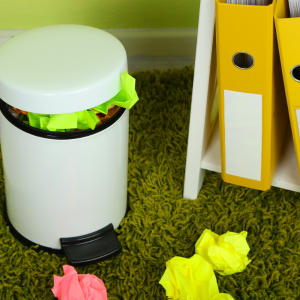
Mistake: Placing only one bin and expecting staff to separate waste intuitively.
Solution: Use colour-coded or clearly labelled bins for landfill, recycling, and compost. Signage near bins improves compliance.
A study from the Journal of Environmental Psychology confirmed that clear labels and strategic bin placement significantly improved proper waste sorting in office environments.
Want a complete step-by-step plan to streamline workplace recycling? Read: Workplace Recycling Made Simple: A Step-by-Step Setup Guide
3. Placing Bins in Inconvenient or Hidden Areas
Mistake: Bins tucked away behind furniture or out of reach.
Solution: Position bins in visible, high-traffic areas like staffrooms, near printers, and beside desks. Convenience encourages proper use.
Want expert advice on strategic bin placement? Read: Where Should You Put Recycling Bins in the Office for Maximum Use?
4. Not Matching Bin Liners to Bin Size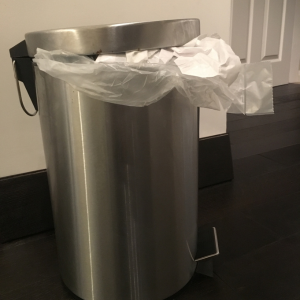
Mistake: Liners that are too small and tear easily — or too large, wasting plastic.
Solution: Always match liners to the bin's litre capacity. Not sure what fits? Read: What Size Bin Liners Do I Need?
5. Ignoring Hygiene in Food Areas
Mistake: Open bins in kitchens or using general waste bins for food scraps.
Solution: Use bins with tight-fitting lids in food zones and compostable liners for organic waste. Empty them frequently to avoid odours.
6. Using One Bin Type Across All Workspaces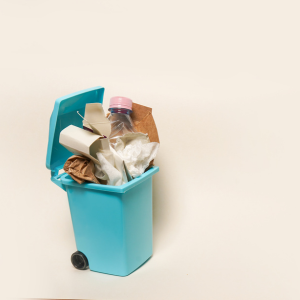
Mistake: A one-size-fits-all bin strategy.
Solution: Tailor bins to the function of each space. For example:
-
Paper-only bins at desks (no liner needed)
-
Odour-controlled bins in staff kitchens
-
Heavy-duty bins for janitorial and back-of-house areas
7. Lack of Staff Awareness and Training
Mistake: Assuming staff know how to use the bins correctly.
Solution: Brief staff on waste systems and place visual guides near bins. Include bin use in onboarding for new hires.
FAQ
Q: What’s the biggest bin mistake in NZ workplaces?
A: Using the wrong bin size for the space, leading to overflow or underuse.
Q: How can we improve our recycling compliance?
A: Use labelled, colour-coded bins and keep them in visible areas.
Q: Are compostable liners necessary?
A: They’re ideal for food waste bins but not always required for dry waste like paper.
Q: How do I calculate the right bin liner size?
A: Use the bin’s litre capacity as a guide — we recommend referring to our liner guide.