What to Ask Before Buying Stand Up Pouches
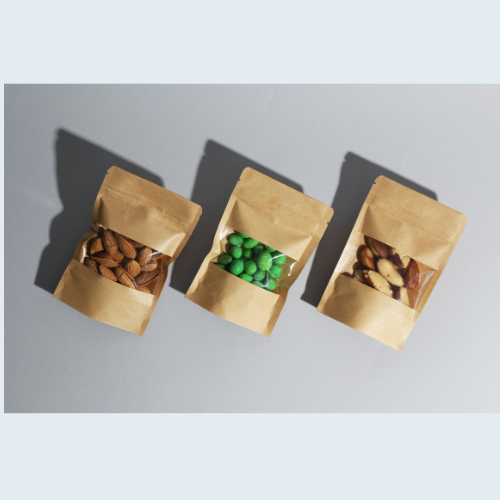
Choosing the right stand up pouch isn’t just about picking something that “looks right.” The wrong size, material, or printing method can affect product freshness, profitability, compliance, and even your brand reputation. We receive a large number of enquiries from New Zealand businesses asking about stand up pouches for food, sauces, powders, and retail products — and most of the questions are completely valid. This guide walks you through exactly what to ask before placing an order, so you avoid costly mistakes and choose packaging that truly works for your product.
1. What Size Stand Up Pouch Do I Actually Need?
One of the most commonly searched questions online is: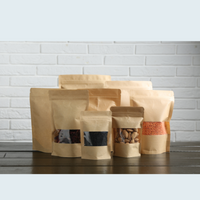
-
“What size stand up pouch do I need?”
-
“How many grams fit in a stand up pouch?”
-
“Difference between ml and grams for packaging?”
And here’s where things often go wrong.
Grams vs Millilitres – Why Density Matters
Grams measure weight.
Millilitres measure volume.
They are only equal when the product has the same density as water (1g = 1ml). That’s rarely the case in food packaging.
For example:
-
250g of flour ≠ 250ml of flour
-
500ml of sauce ≠ 500g of sauce
-
Thick sauces are denser than water
-
Powders are lighter and occupy more volume
If you are packaging:
-
Sauces
-
Oils
-
Dry ingredients
-
Coffee
-
Pet treats
-
Nuts
-
Supplements
You must consider product density. A thick sauce will require a different pouch size than a light powder, even if both are 500g.
Actionable strategy:
Test-fill your product into a sample pouch before committing to bulk ordering. At Insinc, we recommend this strongly - and we can send samples (we charge a $10 sample handling fee). It is far cheaper than ordering thousands of the wrong size.
2. Is the Pouch Material Suitable for My Product?
Another common search phrase is: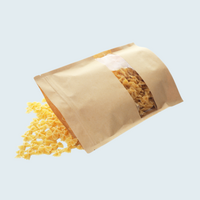
-
“Are stand up pouches food safe?”
-
“Best pouch material for sauces”
-
“Barrier packaging for food”
Food packaging needs to protect against:
-
Oxygen
-
Moisture
-
Light
-
Contamination
According to industry packaging data, oxygen exposure significantly reduces shelf life for many food products. Poor barrier protection can lead to spoilage, flavour loss, and product returns.
Ask your supplier:
-
Is this food-grade certified?
-
What barrier layers are included?
-
Is it suitable for liquids or powders?
-
Is it heat-sealable?
For New Zealand workplaces, compliance and traceability matter. Retailers increasingly require proper documentation, especially in food and health sectors.
3. Plain Pouches or Custom Printed?
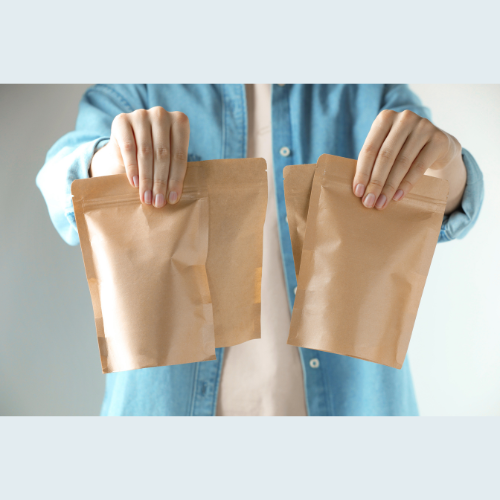
Many customers ask:
-
“Should I custom print my stand up pouches?”
-
“What is the minimum order for printed pouches?”
-
“Digital printing vs rotogravure printing?”
Let’s break this down clearly.
Digital Printing (done off-shore)
Typical specs:
-
Minimum order: 1,000 bags
-
Lead time: ~5-6 weeks if airfreighted
-
Higher per-unit cost
-
Usually expensive for small runs
Advantages:
-
Lower MOQ compared to rotogravure
-
Good for market testing
-
Suitable for growing brands
-
No expensive plate setup fees
Disadvantages:
-
More expensive per unit
-
Longer lead time
-
50% payment upfront (required)
-
Quality can vary by supplier
Digital printing is often ideal for small businesses wanting branded packaging without committing to 10,000+ units.
Rotogravure Printing (done off-shore)
Typical specs:
-
Minimum quantity: 10,000–15,000 units
-
Lead time: Approx 15 days production + shipping time (sea freight~9-10 weeks) / (air freight ~5-6 weeks)
-
Setup fee: Approx $200 per colour
-
50% upfront payment, balance before delivery
Advantages:
-
Excellent print quality
-
Lower unit cost at high volume
-
Ideal for established brands
-
Consistent colour accuracy
Disadvantages:
-
High MOQ
-
Large upfront investment
-
Setup costs per colour
-
Risk of being locked into large volumes
If your branding changes or your product evolves, being stuck with 10,000 printed pouches can be expensive.
Actionable strategy:
If you are unsure, start with plain stock pouches and apply labels. Once volumes justify it, move to custom printing.
At Insinc, we help businesses think through this properly before they commit.
4. What Are the Minimum Order Quantities (MOQ)?
MOQ is one of the biggest frustrations for buyers.
Most of the stand up pouches we sell at Insinc are sold in cartons of 500-1000.
5. Should I Order Samples First?
Short answer: yes.
We strongly recommend testing before bulk buying. Sample testing allows you to:
-
Confirm size
-
Test fill volume
-
Check sealing
-
Review shelf presentation
-
Assess durability
At Insinc, we charge a $10 sample handling fee to send out stand up pouch samples. It’s a small investment compared to ordering the wrong packaging.
If you order a carton of stand up pouches, they are not returnable once opened.
6. Should I Choose Compostable Stand Up Pouches?
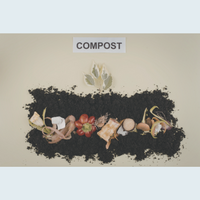
Compostable stand up pouches are becoming increasingly popular, particularly among New Zealand brands wanting to reduce environmental impact. They are often searched under terms like:
-
“compostable stand up pouches NZ”
-
“biodegradable food packaging”
-
“eco friendly sauce pouches”
And yes — they can be an excellent choice.
But they are not suitable for every product.
When Compostable Pouches Work Well
Compostable stand up pouches are ideal for:
-
High turnover products
-
Short shelf life items
-
Products sold quickly after filling
-
Brands focused strongly on sustainability positioning
They are designed to break down under composting conditions. That’s the benefit — but also the limitation.
If you have strong product rotation and consistent sales, compostable pouches can align beautifully with your brand values.
Important Considerations Before Choosing Compostable
Because compostable materials are engineered to break down, they generally:
-
Have shorter shelf life compared to multi-layer plastic barrier pouches
-
May offer lower moisture or oxygen barrier protection
-
Can be sensitive to storage conditions (heat and humidity matter)
This means they are typically better suited to products that move quickly, rather than items sitting in storage for extended periods.
If you are exporting, holding large stock volumes, or require long shelf life, you may need to assess carefully whether compostable is the right option.
Actionable Strategy Before Committing
Before ordering compostable stand up pouches, ask:
-
What is the certified compost standard?
-
What is the expected shelf life?
-
How should unused stock be stored?
-
Is my product high turnover enough to justify this choice?
- Do I expect to use my order of empty pouches in less than 12months (they break down even without product in them)
And most importantly — test first.
At Insinc, we recommend sampling compostable options before bulk purchasing. As with all pouch types, we can send samples (a $10 sample handling fee applies), which allows you to:
-
Test seal performance
-
Assess barrier suitability
-
Review presentation
-
Confirm storage behaviour
Compostable packaging is a fantastic solution — when matched correctly to the right product and sales volume.
Frequently Asked Questions (FAQ)
How do I calculate what pouch size I need?
You need product weight AND product density. If unsure, test-fill into different sizes. Always allow headspace for sealing.
Is 500ml the same as 500g?
Only if the product has the same density as water. Most sauces, powders, and oils differ significantly.
How long does custom printing take?
Digital print: around 3 weeks if airfreighted.
Rotogravure: approx 15 days production, plus freight.
What is the minimum order for printed stand up pouches?
Digital: around 1,000 units.
Rotogravure: 10,000–15,000 units.
Are stand up pouches recyclable?
It depends on material structure. Multi-layer barrier pouches are not kerbside recyclable in New Zealand. Some are soft-plastic recyclable.
How Insinc Supports New Zealand Businesses
We work with food producers, hospitality operators, and retail brands across New Zealand. We understand:
-
Cash flow matters
-
Storage space matters
-
Compliance matters
-
Brand presentation matters
We receive a large volume of enquiries about stand up pouches, and we’re happy to guide customers through sizing, printing options, and compliance considerations before they commit.
Sometimes the smartest packaging decision is the one that prevents a mistake.
Conclusion
Buying stand up pouches isn’t just a purchasing decision — it’s a strategic one. The right size, material, and print method can protect your product, strengthen your brand, and safeguard your margins. The wrong choice can do the opposite. Ask the right questions early, test before committing, and work with a supplier who helps you think it through properly. Contact us for help
https://www.insinc.co.nz/category/stand-up-pouches.html
Posted: Saturday 21 February 2026