
Why Aren’t My Antibacterial Wipes Working? Common Mistakes NZ Businesses Make
Are your antibacterial wipes not delivering the results you expect? Many New Zealand businesses assume wipes instantly eliminate germs, but improper use can significantly reduce their effectiveness. In this guide, we explain why antibacterial wipes sometimes don’t work, the most common mistakes workplaces make, and how to ensure your commercial cleaning routine is effective, compliant and efficient.
Antibacterial wipes are a staple in offices, schools, healthcare facilities and hospitality venues across New Zealand. They’re convenient, portable and designed for fast surface cleaning. However, simply wiping a surface once does not always guarantee proper bacteria reduction.
If you’ve ever wondered, “Do antibacterial wipes actually work?” or “Why aren’t my wipes killing germs?”, the issue is often not the product — it’s how it’s being used.
1. Not Allowing the Correct Contact Time
One of the most common mistakes NZ workplaces make is wiping a surface dry immediately after application.
Antibacterial wipes require a specific contact time (also known as dwell time) to effectively reduce bacteria. This means the surface must remain visibly wet for the duration stated on the product label.
If surfaces dry too quickly, bacteria may not be properly reduced.
Best Practice: Always check the manufacturer’s instructions and ensure the surface remains wet for the recommended time.
If you’re unsure about when antibacterial wipes should be used in your workplace cleaning schedule, we also recommend reading our companion article, When Should You Use Antibacterial Wipes in the Workplace? A Practical Guide for NZ Businesses. It outlines exactly when wipes are appropriate, how frequently high-touch surfaces should be cleaned, and how NZ businesses can build a compliant and efficient hygiene routine.
2. Using Wipes on Dirty Surfaces
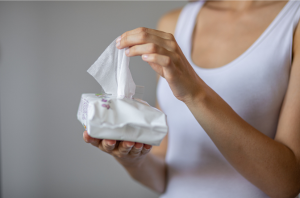
Antibacterial wipes are designed to reduce bacteria — not remove heavy soil, grease or visible dirt.
If a surface is visibly dirty, the wipe may spread contaminants rather than effectively treat the area.
Best Practice: Clean visibly soiled surfaces first with an appropriate cleaner before using antibacterial wipes.
3. Confusing Antibacterial with Disinfectant
Many businesses assume antibacterial wipes kill all germs, including viruses. In reality, antibacterial products are formulated to target bacteria, not necessarily viruses or fungi.
If your workplace requires virus control or hospital-grade disinfection, you may need a disinfectant product instead.
Understanding the difference between antibacterial wipes and disinfectant solutions is critical for compliance, particularly in healthcare and food service environments.
If you're unsure which option is right for your business, we explore this in detail in our article Are Antibacterial Wipes Better Than Disinfectant Spray? What NZ Businesses Need to Know. In that guide, we compare effectiveness, compliance requirements, cost considerations and practical use cases so NZ businesses can confidently choose the most appropriate hygiene solution for their workplace.
4. Using the Wrong Wipes for the Environment
Not all commercial antibacterial wipes are created equal. Consumer-grade wipes may not be suitable for high-volume commercial use.
In busy environments such as gyms, manufacturing facilities or schools, you need:
-
Durable wipe material
-
Adequate moisture levels
-
Larger pack sizes for high-traffic areas
-
Products compliant with NZ workplace standards
Choosing professional-grade commercial antibacterial wipes ensures reliability and cost efficiency.
5. Improper Storage
Wipes that are not stored correctly can dry out, reducing their effectiveness.
Common storage mistakes include:
-
Leaving lids open
-
Storing in high-heat environments
-
Keeping stock beyond expiry dates
Dry wipes will not deliver proper coverage or contact time.
Best Practice: Store in a cool, dry place and reseal packaging immediately after use.
6. Reusing a Single Wipe on Multiple Surfaces
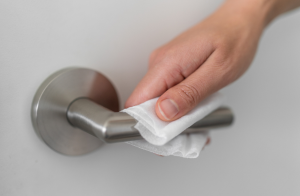
Using one wipe across several desks, machines or benches increases the risk of cross-contamination.
In commercial settings, each wipe should generally be used for a limited surface area before disposal.
This is particularly important in healthcare, hospitality and shared office environments.
How to Ensure Your Antibacterial Wipes Are Effective
To maximise effectiveness in your NZ workplace:
-
Follow manufacturer instructions precisely
-
Observe correct contact time
-
Pre-clean heavily soiled surfaces
-
Use commercial-grade wipes suited to your industry
-
Store products correctly
-
Train staff on proper hygiene procedures
When used correctly, antibacterial wipes are an efficient and practical hygiene solution for high-touch surfaces.
Upgrade Your Workplace Hygiene with Insinc Products
At Insinc, we supply high-quality commercial antibacterial wipes designed for New Zealand workplaces. Whether you operate an office, school, hospitality venue or industrial facility, our products are built for reliability, compliance and everyday performance.
Don’t let ineffective hygiene practices put your staff or customers at risk. Choose professional-grade antibacterial wipes that deliver consistent results.
Explore our range today and ensure your cleaning routine works as hard as you do.
Frequently Asked Questions
Do antibacterial wipes actually kill germs?
Antibacterial wipes are designed to reduce bacteria on hard surfaces when used according to manufacturer instructions. Effectiveness depends on correct contact time and proper usage.
Why do my antibacterial wipes dry too quickly?
This may be due to environmental conditions such as air flow or heat. Ensure you are using adequately saturated commercial wipes and allowing sufficient dwell time.
Can antibacterial wipes replace disinfectant?
Not always. Antibacterial wipes target bacteria. Disinfectants may be required where virus control or higher-level sanitation is necessary.
How long do antibacterial wipes take to work?
Contact time varies by product. Always check the product label for specific dwell time requirements.
Are antibacterial wipes suitable for food businesses in NZ?
They can be used on appropriate non-food-contact surfaces. Always follow food safety guidelines and confirm product suitability.
Conclusion
If your antibacterial wipes don’t seem to be working, the issue is often incorrect usage rather than product failure. By understanding contact time, surface preparation and proper storage, NZ businesses can dramatically improve hygiene outcomes.
Choosing commercial-grade antibacterial wipes designed for professional environments ensures your workplace stays clean, compliant and efficient.
https://www.insinc.co.nz/category/235304
Posted: Friday 13 February 2026