What Are the Best Office Bin Sizes for Desks, Staffrooms & Shared Workspaces in NZ?
Selecting the right office bin isn’t just about capacity — it’s about creating a cleaner, more efficient, and compliant workplace. From individual desks to busy staffrooms and open-plan shared areas, each part of your workplace has different waste needs. The right bin size and style can reduce cross-contamination, control odours, and boost staff compliance with recycling practices.
This guide breaks down the most suitable rubbish bins for key spaces in New Zealand workplaces and explains how to choose the right bin liners for each type.
Why Smart Bin Selection Matters
Choosing the right bin for the right space improves:
-
Hygiene: Reduces the chance of cross-contamination
-
Efficiency: Minimises overfilling and reduces maintenance
-
Recycling Compliance: Encourages correct waste sorting
-
Visual Appeal: Keeps spaces tidy and professional
A study published by the Journal of Environmental Psychology found that clear bin labelling and convenient placement significantly increased correct waste disposal in workplace environments. This supports the importance of choosing the right bin size and placement strategy.
Best Office Bin Sizes by Workplace Area
Desk Bins (Individual Workstations)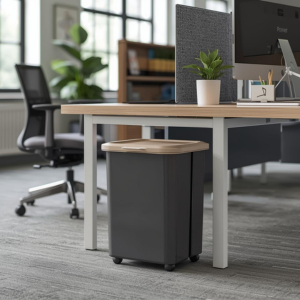
Recommended Size: 7L – 15L
Use Case: Paper, tissues, and light dry waste such as snack wrappers
Tips:
-
Use smaller bins to discourage general waste accumulation
-
Paper-only bins often don’t need liners, which helps reduce plastic waste
-
Place under desks or beside workstations for convenience
-
Pair with centralised recycling bins to encourage proper waste sorting
Staffroom & Kitchen Bins
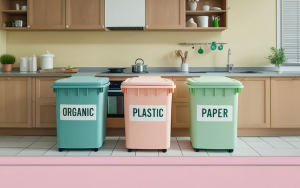
Recommended Size: 27L – 45L
Use Case: Food scraps, food packaging, drink cans, and mixed recyclables commonly generated in shared kitchen or staffroom settings.
Tips:
-
Use lidded bins to help contain smells and reduce pest attraction
-
Compostable liners are ideal for bins dealing with organic waste
-
Use separate bins for recycling and landfill waste to support waste separation policies
-
Place near benches, sinks or communal eating areas for ease of use
Shared Workspaces & Open Plan Areas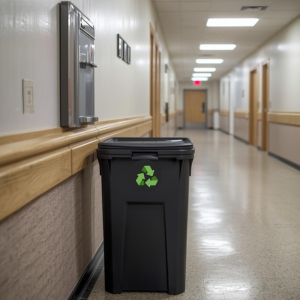
Recommended Size: 60L – 80L
Use Case: General rubbish and communal recycling from high-traffic zones such as open-plan workspaces, meeting rooms or printer stations
Tips:
-
Choose wide-mouth bins for easy access in shared areas
-
Colour-coded bins encourage correct sorting
-
Use signage to educate staff and reduce contamination
-
Empty regularly to avoid overflow in high-traffic areas
Cleaning & Back-of-House Bins
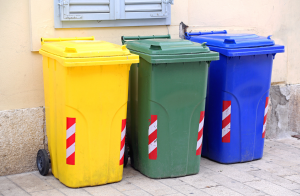
Recommended Size: 80L – 240L
Use Case: High-volume waste, janitorial stations, facility rubbish and bulk recyclables
Tips:
-
Use wheelie bins for better mobility during cleaning rounds
-
Heavy-duty liners are essential for durability and cleanliness
-
Label bins clearly by waste type to streamline staff use
-
Store in easily accessible utility areas to save time on disposal
Additional Resources
Need help choosing the right bin liner too? Read:
-
What Size Bin Liners Do I Need? A Guide to Choosing the Right Fit
-
Workplace Rubbish Bin Mistakes NZ Businesses Make And How to Avoid Them
FAQ
Q: Can I use one bin type throughout the workplace?
A: It’s not ideal. Different spaces generate different waste volumes. Tailored bin sizes improve efficiency and hygiene.
Q: How do I know what size bin liner to use?
A: Match the bin's litre capacity to the liner size. For more detail, check out our bin liner guide linked above.
Q: Are compostable liners suitable for all bins?
A: They're best for food waste but may not be necessary for paper-only or dry waste bins.
Q: What’s the most common bin size for NZ workplaces?
A: 27L and 45L are popular sizes for kitchens and shared spaces due to their balance of capacity and footprint.