
Why Are Disposable Gloves So Hard to Put On? (And How Easy On Easy Off Gloves Solve the Problem)

Disposable gloves are used every day in food service, cleaning, healthcare, aged care, manufacturing, hospitality, laboratories, and general workplace hygiene. They are meant to make work safer, cleaner, and more efficient. But for many workers, one simple frustration keeps coming up: disposable gloves can be surprisingly difficult to put on, especially when hands are sweaty, damp, warm, or when gloves are tight-fitting.
If your team has ever wasted time trying to pull on gloves that stick, tear, bunch up, or refuse to slide over the fingers properly, you are not alone. This is a common issue across many New Zealand workplaces. While it may seem like a small inconvenience, difficult-to-use gloves can slow staff down, increase glove waste, reduce comfort, and even affect hygiene compliance.
The good news is that glove technology has improved. Easy On Easy Off disposable gloves are designed to solve this exact problem by helping gloves glide on and off more easily, even in busy environments where hands may not be perfectly dry. In this guide, we’ll explore why disposable gloves are so hard to put on, what causes gloves to stick, and how Easy On Easy Off technology can help businesses improve comfort, efficiency, and hygiene standards.
Why Are Disposable Gloves So Hard to Put On?
Most disposable gloves are designed to fit closely around the hand. That snug fit is important because it helps provide grip, dexterity, and protection. However, the same close fit that makes gloves useful can also make them frustrating to put on.
The problem becomes worse when staff are working quickly, changing gloves frequently, or putting gloves on with slightly damp or sweaty hands. In real-world workplaces, hands are rarely perfectly cool, dry, and still. Staff are moving between tasks, washing hands, handling products, working in warm environments, or dealing with cleaning and hygiene procedures.
When glove material meets moisture and friction, the glove can stick to the skin instead of sliding smoothly into place. This is why a glove might glide on easily one moment, then become almost impossible to put on a few minutes later.
For workplaces where gloves are used constantly, this daily frustration can become a bigger issue than many businesses realise.
The Most Common Reasons Disposable Gloves Stick to Your Hands

1. Sweaty or Damp Hands
Sweaty hands are one of the biggest reasons disposable gloves are difficult to put on. Even a small amount of moisture can create drag between the glove and the skin.
This often happens after staff have washed their hands, worked in a warm environment, or removed one pair of gloves and immediately need to put on another pair. In many industries, frequent glove changes are part of proper hygiene practice, but each glove change can become harder if the hands are damp.
Moisture can make gloves:
- Stick to the fingers
- Bunch around the knuckles
- Roll at the cuff
- Tear during application
- Feel uncomfortable once worn
This is especially common in food preparation, cleaning, healthcare, aged care, and industrial environments where staff are physically active or required to wash their hands regularly.
2. Tight Glove Fit
Disposable gloves need to fit properly. If gloves are too loose, they can reduce grip and make detailed work harder. If they are too tight, they become difficult to put on and uncomfortable to wear.
Tight gloves create more friction as they move over the hand. This friction becomes worse when combined with moisture. A glove that is only slightly tight may still feel manageable on dry hands, but it can become frustrating when hands are warm or damp.
Signs that gloves may be too tight include:
- Difficulty pulling gloves over the palm
- Pressure around the fingers
- Hand fatigue after wearing gloves
- Gloves tearing at the cuff
- Reduced finger movement
- Staff choosing larger sizes to avoid discomfort
Correct sizing matters, but even well-sized gloves can still be difficult to apply if the glove interior is not designed to reduce friction.
3. Smooth Inner Glove Surfaces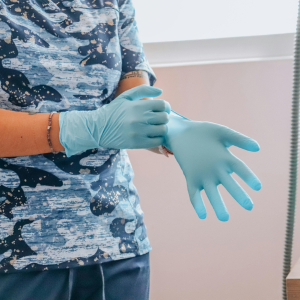
Many standard disposable gloves have a smooth internal surface. While this may seem normal, it can cause problems when the glove meets damp skin.
A smooth interior creates more direct contact between the glove and the hand. When there is no airflow or texture inside the glove, the material can cling to the skin. This creates a suction-like effect that makes the glove harder to pull on and harder to remove.
This is one reason why some gloves feel fine in perfect conditions but become difficult in busy workplaces.
4. Frequent Glove Changes
In many workplaces, gloves are not worn once and forgotten. Staff may change gloves repeatedly throughout the day to maintain hygiene and prevent cross-contamination.
For example, a food handler may change gloves when moving between raw and ready-to-eat foods. A cleaner may change gloves between washrooms and general surfaces. A healthcare worker may change gloves between tasks or clients.
Frequent glove changes mean workers are more likely to deal with damp hands, time pressure, and repeated friction. If the gloves are difficult to put on, the issue happens again and again throughout the day.
5. Poor Quality Gloves
Lower quality gloves can stretch poorly, tear easily, or feel inconsistent from one glove to the next. Some may be too thin, while others may have poor elasticity or weak cuffs.
Cheap gloves may appear cost-effective at first, but if staff use more gloves due to tearing, misapplication, or discomfort, the real cost can be higher.
A glove that is difficult to put on can lead to extra waste, lost time, and staff frustration.
Why Difficult Gloves Are More Than Just an Annoyance

At first, a glove that sticks to your hand may seem like a minor inconvenience. But in a busy workplace, small frustrations can quickly become expensive and disruptive.
Lost Time Adds Up
If each glove change takes longer than it should, productivity suffers. A few extra seconds may not sound like much, but across multiple staff members, multiple shifts, and repeated glove changes, the time loss becomes significant.
In high-use environments such as food production, commercial kitchens, cleaning teams, healthcare settings, and manufacturing, glove changes happen constantly. A glove that is easy to put on can help staff move from one task to the next more smoothly.
More Glove Waste
When gloves are difficult to put on, they are more likely to tear, stretch, roll, or be discarded before use. This increases waste and costs.
Common causes of glove waste include:
- Gloves tearing at the cuff
- Gloves sticking halfway on
- Staff grabbing a second pair after the first fails
- Gloves being stretched too far during application
- Incorrect sizing due to discomfort
Choosing gloves that go on more easily can help reduce unnecessary glove use.
Lower Hygiene Compliance
Good hygiene depends on staff using gloves correctly and changing them when required. If gloves are frustrating to put on, staff may be tempted to delay changing them, choose the wrong size, or rush the process.
This can create hygiene risks, especially in environments where glove changes are essential for food safety, infection control, or contamination prevention.
When gloves are simple and comfortable to use, staff are more likely to follow hygiene procedures consistently.
Staff Discomfort and Frustration
Workplace products affect staff experience. Gloves that are hard to put on, uncomfortable to wear, or difficult to remove can create ongoing irritation.
Over time, this frustration can affect morale, especially for teams that rely on gloves all day. Providing better gloves is a small but meaningful way to improve day-to-day working conditions.
What Are Easy On Easy Off Disposable Gloves?
Easy On Easy Off disposable gloves are designed to solve one of the most common glove frustrations: the struggle of putting gloves on and taking them off when hands are damp, sweaty, or warm.
Rather than relying only on a standard smooth interior, these gloves use special design features that help reduce friction and improve airflow inside the glove.
A key feature is the dimpled or textured structure, which creates tiny pockets of air between the glove and the skin. These air pockets help the glove glide on more easily instead of sticking tightly to the hand.
This makes the glove feel easier, quicker, and more comfortable to use, especially in environments where staff change gloves often.
How Does Easy On Easy Off Technology Work?

Easy On Easy Off glove technology works by addressing the main reason gloves are difficult to put on: friction.
When a standard glove touches damp skin, the smooth surface can cling to the hand. This increases resistance and makes the glove harder to slide on.
Easy On Easy Off gloves are designed to reduce that resistance.
Dimpled Texture Creates Air Pockets
The dimpled glove surface helps create small spaces between the glove and the skin. These spaces allow tiny pockets of air to form, reducing the amount of direct contact.
Less direct contact means less friction.
This helps the glove slide on more smoothly, even when hands are not perfectly dry.
Moisture Management Helps Improve Comfort
Some Easy On glove designs also help draw sweat and moisture away from the hands. This helps create a more comfortable wearing experience and reduces the sticky feeling that can happen inside standard disposable gloves.
By managing moisture more effectively, these gloves help maintain comfort during use and make removal easier when the task is complete.
Easier Removal Reduces Hassle
The same features that help the glove go on more easily can also help it come off more smoothly. This is important in workplaces where staff need to change gloves quickly and safely.
Easy removal can help reduce the frustration of gloves clinging to the skin, rolling at the cuff, or requiring excessive pulling.
Key Benefits of Easy On Easy Off Gloves
1. Faster Glove Changes
The most obvious benefit is speed. Gloves that slide on easily help staff get ready for tasks faster.
This is especially useful in workplaces where glove changes are frequent, such as:
- Food preparation areas
- Commercial kitchens
- Cleaning teams
- Healthcare and aged care facilities
- Laboratories
- Manufacturing and production sites
- Beauty and personal care businesses
Faster glove changes can improve workflow without compromising hygiene.
2. Better Comfort for Staff
Comfort matters when gloves are worn regularly. Gloves that are difficult to put on can feel tight, sticky, or uncomfortable before the task even begins.
Easy On Easy Off gloves are designed to feel smoother and easier to use. The reduced friction and improved internal airflow can help create a better experience for staff throughout the day.
This is particularly valuable for workers who wear gloves for long periods or change gloves many times per shift.
3. Less Waste from Torn Gloves
When gloves are easier to put on, there is less pulling, stretching, and forcing. This can help reduce tearing during application.
Fewer torn gloves means less waste and better cost control.
For businesses looking to manage consumable costs, this is an important point. The cheapest glove is not always the most cost-effective if staff are using more of them than necessary.
4. Improved Hygiene Compliance
When gloves are easy to use, staff are more likely to change them when needed.
This supports better hygiene habits and reduces the temptation to keep wearing the same gloves for too long because putting on a new pair is inconvenient.
In industries where hygiene is critical, ease of use is not just about comfort — it supports better workplace standards.
5. Better Experience in Warm or Busy Environments
Many workplaces are warm, physically demanding, or fast-paced. In these environments, sweaty hands are common.
Easy On Easy Off gloves are particularly useful because they are designed for real working conditions, not ideal conditions.
They help solve the issue that many standard gloves struggle with: performance when hands are damp or warm.
Industries That Benefit from Easy On Easy Off Gloves
Food Service and Food Handling
Food handlers often change gloves frequently to reduce cross-contamination risks. In busy kitchens, bakeries, cafes, catering businesses, and food production sites, time matters.
Gloves that are hard to put on can slow staff down during peak periods. Easy On Easy Off gloves help support faster changes, better comfort, and smoother food safety procedures.
Cleaning and Janitorial Teams
Cleaning staff often work with water, chemicals, rubbish, washrooms, and high-touch surfaces. Their hands may become damp or warm throughout the day.
A glove that slides on and off easily can make cleaning tasks more efficient and comfortable, especially when changing gloves between different zones or tasks.
Healthcare and Aged Care
Healthcare and aged care workers rely on gloves for infection control and hygiene. Frequent glove changes are part of daily work.
Easy On Easy Off gloves can help reduce friction and frustration for workers who need to change gloves often while maintaining a high standard of care.
Manufacturing and Warehousing
In industrial environments, staff may need gloves for handling, inspection, cleaning, or hygiene-sensitive processes. If gloves are difficult to put on, they can interrupt workflow.
Easy On gloves can help workers maintain pace while still using the appropriate protection.
Offices and Facilities Management
Even general office environments use disposable gloves for cleaning, rubbish handling, first aid, kitchen duties, maintenance, and hygiene tasks.
For office managers, facilities teams, and workplace health and safety coordinators, providing gloves that are simple to use can improve compliance and staff experience.
Easy On Easy Off Gloves vs Standard Disposable Gloves
Standard Disposable Gloves
Standard gloves may work well when hands are completely dry and conditions are calm. However, they can become difficult when hands are sweaty or when staff are changing gloves frequently.
Common issues include:
- Sticking to damp hands
- Tearing during application
- Rolling at the cuff
- Feeling tight or uncomfortable
- Slowing down work
Easy On Easy Off Gloves
Easy On Easy Off gloves are designed to perform better in everyday workplace conditions.
They help with:
- Easier application
- Easier removal
- Reduced friction
- Better comfort
- Improved efficiency
- Less frustration
For many businesses, the difference becomes noticeable the first time staff use them.
How to Choose the Right Disposable Gloves for Your Workplace
Choosing the right gloves should involve more than simply comparing box prices. A glove needs to suit the task, environment, user, and hygiene requirements.
Consider the Work Environment
Ask whether staff are working in warm, damp, fast-paced, or high-change environments. If the answer is yes, ease of use should be a priority.
Check Sizing Options
Correct sizing is essential. Gloves that are too small increase friction and discomfort. Gloves that are too large reduce dexterity and may create safety issues.
Offer a range of sizes so staff can choose the best fit.
Think About Frequency of Use
If gloves are used occasionally, standard gloves may be suitable. If staff change gloves frequently, investing in easier-to-use gloves can make a significant difference.
Look at Total Value, Not Just Unit Cost
The lowest-cost glove may not deliver the best value if it tears easily, wastes time, or causes staff frustration.
A better glove can support:
- Lower waste
- Better productivity
- Improved staff comfort
- Stronger hygiene compliance
Match the Glove to the Task
Different workplaces may need different glove features, including chemical resistance, food safety suitability, puncture resistance, grip, or colour coding.
Always choose gloves that are appropriate for the specific job.
Practical Tips for Making Disposable Gloves Easier to Put On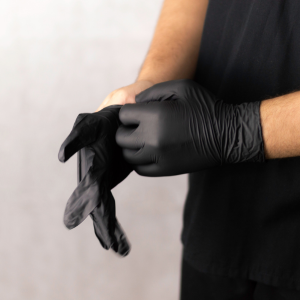
Even if your workplace is not yet using Easy On Easy Off gloves, there are practical steps that can help reduce glove frustration.
Dry Hands Thoroughly
After washing hands, dry them properly before putting gloves on. Even small amounts of moisture can make gloves harder to apply.
Use the Correct Size
Avoid forcing hands into gloves that are too small. This increases the risk of tearing and discomfort.
Store Gloves Correctly
Keep gloves in a cool, dry location away from heat and moisture. Poor storage can affect glove performance.
Train Staff on Proper Glove Use
Staff should know when to change gloves, how to put them on correctly, and how to remove them safely.
Upgrade to Easy On Easy Off Gloves
If glove application is a recurring issue, the most practical solution may be to choose gloves specifically designed to solve that problem.
Easy On Easy Off gloves can help remove the daily hassle of sticky, difficult glove changes.
Why Easy Off Matters Just as Much as Easy On
Many people focus on how hard gloves are to put on, but removal is just as important.
Gloves that are difficult to remove can slow staff down and increase the chance of touching the outside of the glove incorrectly. In hygiene-sensitive environments, proper glove removal is important to reduce contamination risk.
Easy Off technology helps make glove removal smoother and more controlled. This can be especially useful when gloves have been worn during messy, wet, or high-contact tasks.
When a glove is both easy to put on and easy to take off, it supports the full hygiene process from start to finish.
Why Insinc Recommends Practical Glove Solutions for New Zealand Workplaces
At Insinc Products, we understand that workplace hygiene products need to work in real conditions — not just on paper.
For many businesses, disposable gloves are used constantly throughout the day. When gloves are difficult to put on, staff notice. When gloves tear, waste increases. When gloves are uncomfortable, compliance can suffer.
That is why Easy On Easy Off glove options are worth considering for workplaces that rely on disposable gloves every day.
They offer a simple but effective improvement to a common workplace frustration. By making gloves easier to put on and remove, they can help support:
- Better staff comfort
- Faster workflows
- Reduced glove waste
- More consistent hygiene practices
- Improved workplace efficiency
Insinc can help New Zealand businesses choose disposable gloves that suit their industry, task requirements, and day-to-day usage.
Frequently Asked Questions
Why are disposable gloves hard to put on?
Disposable gloves are often hard to put on because of friction between the glove material and the skin. This becomes worse when hands are sweaty, damp, warm, or when gloves are tight-fitting.
Why do gloves stick to sweaty hands?
Sweat and moisture increase friction, making it harder for the glove to slide smoothly over the hand. A smooth glove interior can cling to damp skin, causing the glove to stick or bunch.
What are Easy On Easy Off gloves?
Easy On Easy Off gloves are disposable gloves designed to slide on and off more easily. They often use a dimpled or textured surface that creates small air pockets, helping reduce friction between the glove and the skin.
Are Easy On gloves good for sweaty hands?
Yes. Easy On gloves are especially useful when hands are warm or slightly damp because they are designed to reduce sticking and improve comfort during application.
Do Easy On Easy Off gloves reduce waste?
They can help reduce waste by lowering the chance of gloves tearing or being discarded during application. When gloves are easier to put on, staff are less likely to waste gloves through failed attempts.
Are Easy On gloves suitable for food handling?
Many disposable gloves are suitable for food handling, but it is important to choose the right glove for the task and check product suitability. Insinc can help businesses select appropriate glove options for food service and other industries.
How do I know if my workplace needs better gloves?
If staff regularly complain about gloves being difficult to put on, gloves are tearing during application, or glove changes are slowing down work, it may be time to consider a better glove option.
Final Thoughts
Disposable gloves should make work safer, cleaner, and more efficient — not slower and more frustrating.
If your team struggles with gloves that stick, tear, roll, or refuse to slide on properly, the problem may not be your staff. It may be the glove design.
Sweaty hands, tight fit, smooth interiors, and frequent glove changes can all make standard disposable gloves difficult to use. Over time, this can increase waste, reduce productivity, and make hygiene procedures harder to follow.
Easy On Easy Off disposable gloves offer a practical solution by reducing friction, improving airflow, and helping gloves glide on and off more easily. For New Zealand workplaces that rely on gloves every day, this small improvement can make a noticeable difference.
If your business is looking for disposable gloves that are easier to use, more comfortable for staff, and better suited to busy workplace conditions, Insinc can help you find the right solution.
https://www.insinc.co.nz/product/2585925
Posted: Friday 8 May 2026