
Fleet Vehicle Cleaning: Why Regular Washing Saves Your Business Money
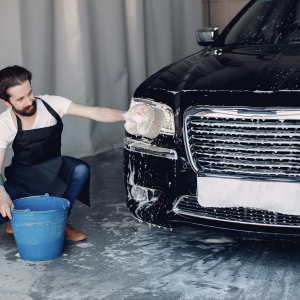
For many businesses, company vehicles are among their most valuable assets.
Whether you operate a transport company, courier service, plumbing business, construction fleet, agricultural operation, or service organisation, your vehicles represent a significant investment. Yet vehicle cleaning is often treated as an optional task that only happens when a vehicle becomes visibly dirty.
In reality, postponing regular cleaning can lead to higher maintenance costs, unnecessary repairs, reduced resale value, and a poorer impression of your business.
A structured fleet cleaning programme is not simply about keeping vehicles looking presentable—it's a proactive maintenance strategy that protects your investment and supports long-term business efficiency.
Why Fleet Cleaning Should Be Part of Your Maintenance Strategy
Most businesses schedule routine servicing because they understand the importance of preventative maintenance.
Vehicle cleaning deserves the same mindset.
Road contaminants don't simply disappear over time. Left untreated, they can build up and contribute to corrosion, paint deterioration, blocked components, and increased wear on exterior surfaces.
By incorporating regular cleaning into your fleet maintenance programme, businesses can identify issues earlier and reduce the likelihood of more expensive repairs later.
Protect Your Investment
Commercial vehicles represent a significant capital investment.
Keeping them clean helps preserve:
-
Signwriting and vehicle graphics
-
Alloy wheels
-
Exterior fittings
Protecting these components can help extend the vehicle's usable life and reduce refurbishment costs.
Reduce Long-Term Maintenance Costs
Cleaning provides more than cosmetic benefits.
Removing accumulated dirt, salt, grease, and road contaminants helps prevent them from remaining in contact with vehicle surfaces for extended periods.
Over time, this can contribute to:
-
Lower repair costs
-
Reduced corrosion risk
-
Less repainting
-
Fewer cosmetic repairs
-
Better preservation of exterior finishes
Preventative care is generally less expensive than corrective repairs.
Improve Fleet Resale Value

Every commercial vehicle eventually reaches the end of its service life.
When that time comes, condition matters.
Vehicles that have been well maintained and kept clean often present better to potential buyers or dealers than vehicles showing signs of neglected exterior care.
A documented cleaning and maintenance programme can also demonstrate that the fleet has been managed professionally.
Reinforce Your Brand Every Day
Every company vehicle is a moving advertisement.
Whether parked outside a customer's property or travelling on New Zealand roads, it reflects your business.
A clean fleet communicates:
-
Professionalism
-
Reliability
-
Pride in workmanship
-
Attention to detail
-
Care for customers
Conversely, heavily soiled vehicles may create an impression that maintenance and quality are not priorities.
For businesses that rely on reputation, appearance can influence customer confidence before a conversation even begins.
Make Vehicle Inspections Easier

Routine inspections are more effective when vehicles are clean.
Dirt and grime can conceal:
-
Scratches
-
Dents
-
Paint damage
-
Fluid leaks
-
Loose components
-
Damaged lights
-
Worn decals
Keeping vehicles clean makes it easier for drivers and maintenance teams to identify developing issues before they become larger problems.
Improve Driver Pride and Accountability

Drivers are more likely to take care of vehicles that are maintained to a high standard.
A clean fleet often encourages:
-
Greater vehicle ownership
-
Earlier reporting of defects
-
Better housekeeping inside vehicles
-
Improved daily care
Creating pride in company vehicles contributes to a stronger workplace culture.
Reduce Downtime Through Better Planning
Reactive cleaning often disrupts operations.
Vehicles may need to be removed from service unexpectedly because they have become excessively dirty or require additional cleaning before customer visits.
Planning routine fleet cleaning allows businesses to coordinate washing alongside scheduled servicing, inspections, or off-peak operating periods.
This helps reduce unnecessary downtime and improves fleet availability.
Build a Fleet Cleaning Schedule That Works

One of the biggest mistakes businesses make is cleaning vehicles only when they "look dirty."
Instead, create a cleaning schedule based on:
Vehicle Type
Heavy trucks, delivery vans, utes, buses, and specialist equipment often operate in different environments and accumulate contamination at different rates.
Operating Conditions
Vehicles travelling on construction sites, rural roads, coastal areas, or industrial environments may require more frequent cleaning than office-based vehicles.
Customer Visibility
Vehicles that regularly visit customer sites or public locations often benefit from a higher cleaning standard than vehicles operating solely within private worksites.
Seasonal Conditions
Rain, dust, pollen, road salt, and mud can all influence how often fleet vehicles should be cleaned throughout the year.
Measure the Cost of Cleaning Against the Cost of Neglect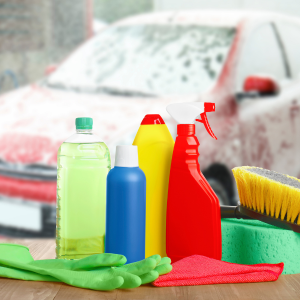
Many businesses focus on the immediate cost of cleaning while overlooking the financial impact of poor fleet presentation and preventable maintenance.
When evaluating costs, consider factors such as:
-
Vehicle repainting
-
Corrosion repairs
-
Replacement graphics
-
Additional labour for heavy contamination
-
Reduced resale value
-
Brand perception
-
Customer confidence
Looking at the bigger picture often demonstrates that regular cleaning is an investment rather than an expense.
Standardise Cleaning Across Your Fleet
Consistency is important, particularly for larger fleets.
Creating standard operating procedures helps ensure every vehicle receives the same level of care regardless of who is responsible.
Documenting cleaning expectations also simplifies onboarding and improves quality control.
If you're developing a fleet cleaning process, our Step-by-Step Commercial Vehicle Washing Guide: The Best Order to Clean Any Vehicle explains the recommended washing sequence and best practices for achieving professional results.
Choose Products That Match Your Fleet's Needs
Different fleets operate in different conditions.
Construction vehicles encounter different contaminants than courier vans, while agricultural equipment faces different cleaning challenges again.
Selecting suitable cleaning products for your operating environment can improve cleaning efficiency and reduce unnecessary product use.
Our The Complete Guide to Choosing Commercial Car Wash Chemicals explains the different types of automotive cleaning chemicals, what they are designed to remove, and how to select products that suit your vehicles and business.
Track Cleaning as Part of Fleet Management
Businesses often monitor fuel use, servicing, and repairs, but overlook cleaning performance.
Adding cleaning to your fleet management programme can help you monitor:
-
Cleaning frequency
-
Vehicle presentation standards
-
Product usage
-
Labour allocation
-
Maintenance trends
-
Exterior condition over time
This information supports better planning and more consistent fleet management.
Professional Automotive Cleaning Solutions from Insinc
At Insinc, we help New Zealand businesses maintain cleaner, more professional fleets with a range of commercial automotive cleaning products.
From vehicle wash detergents and degreasers to brushes, microfibre cloths, washroom supplies, and cleaning accessories, our products are designed to support transport operators, trades, councils, construction companies, agricultural businesses, and professional car wash operators.
Whether you manage five vehicles or five hundred, our team can help you choose practical cleaning solutions that support operational efficiency and long-term vehicle care.
Frequently Asked Questions
Why is regular fleet vehicle cleaning important?
Regular cleaning helps protect vehicle finishes, supports preventative maintenance, improves resale value, reinforces your company's professional image, and makes routine inspections easier.
Does cleaning commercial vehicles really save money?
Regular cleaning can help reduce long-term maintenance costs by preventing contaminants from remaining on vehicle surfaces and by making it easier to identify damage before it worsens.
How often should fleet vehicles be cleaned?
The ideal schedule depends on factors such as vehicle type, operating environment, customer visibility, seasonal conditions, and the type of work performed.
Should fleet cleaning be included in a maintenance programme?
Yes. Treating cleaning as part of preventative maintenance helps businesses maintain consistent vehicle presentation and protect valuable assets over time.
How can businesses improve fleet cleaning consistency?
Creating documented cleaning schedules, standard operating procedures, staff responsibilities, and regular inspections helps ensure consistent results across the entire fleet.
https://www.insinc.co.nz/car-wash-automotive-industry-car-cleaning.html
Posted: Friday 3 July 2026