Top-Pull vs Bottom-Pull Gloves: Which Is More Hygienic for NZ Workplaces?
Glove hygiene is often overlooked, but how gloves are dispensed can directly impact the cleanliness and safety of your workplace. Whether in healthcare, food processing, laboratories or cleaning environments, the way gloves are retrieved matters. In this article, we compare top-pull vs bottom-pull glove dispensing systems and explore which one offers superior hygiene benefits for New Zealand businesses.
Why Glove Dispensing Matters
Disposable gloves are meant to create a barrier between the hand and contaminants. However, contamination can occur before gloves are even worn if:
-
Users touch multiple gloves while retrieving one
-
Gloves are pushed back into the box after being touched
-
The glove box opening becomes a contact surface for bacteria
This undermines the effectiveness of gloves and exposes staff, customers, and products to avoidable hygiene risks.
Top-Pull Glove Boxes: Common but Flawed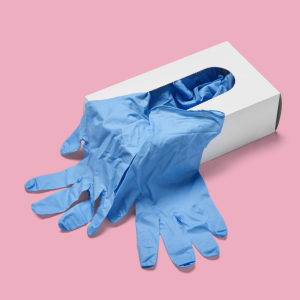
Top-pull glove boxes are the most common design. Users open the top flap and pull gloves out from above.
Hygiene Risks:
-
Often dispense more than one glove at once
-
Encourage touching of adjacent gloves
-
Require two hands or awkward pulling, increasing surface contact
While widely used, top-pull glove boxes are not ideal for high-hygiene environments.
Bottom-Pull Glove Systems: A Cleaner Alternative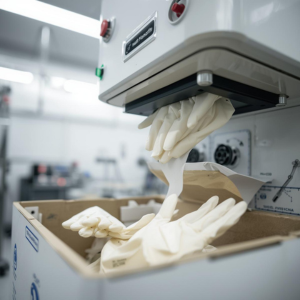
Bottom-dispensing glove systems, such as those used in Progenics Gloves, allow gloves to be pulled one at a time from the bottom of the box.
Hygiene Advantages:
-
Only the glove being used is touched
-
Dispenses one glove at a time, reducing waste and contamination
-
Easier one-handed use, especially in busy or sanitised environments
This system helps maintain glove cleanliness before use, improving hygiene standards across the board.
A study published in Applied and Environmental Microbiology investigated surface contamination in personal protective equipment and found that frequently touched dispensing areas, like glove box openings, can be reservoirs for microbial transfer. This supports the need for glove systems that minimise surface contact, like bottom-dispensing designs.
What NZ Workplaces Should Consider

If you operate in any of the following industries, bottom-dispensing gloves can offer significant hygiene benefits:
-
Healthcare & Aged Care: Reduce patient contact risks
-
Food Prep & Hospitality: Maintain food safety standards
-
Laboratories: Prevent specimen contamination
-
Commercial Cleaning: Improve PPE integrity
Additional Resources
Want to learn more about glove safety and sustainability?
-
Clean Hands Start with Clean Gloves: Why Glove Dispensing Matters More Than You Think
-
How Cross-Contamination Happens in Standard Glove Boxes — And How to Stop It
Conclusion: Go Bottom-Up for Better Hygiene
While top-pull glove dispensers are widespread, bottom-pull systems offer a clear advantage in reducing contamination. For New Zealand businesses committed to workplace hygiene, switching to bottom-dispensing gloves like Progenics is a simple, effective improvement.
Shop Progenics Bottom-Dispensing Gloves
FAQ
Q: Why are bottom-pull gloves more hygienic?
A: They allow users to touch only the glove being dispensed, reducing the risk of contaminating unused gloves.
Q: Are bottom-dispensing gloves more expensive?
A: Not necessarily. They often reduce glove waste, which can lead to cost savings over time.
Q: Do bottom-pull gloves fit standard dispensers?
A: Brands like Progenics are designed to work with common dispenser setups.
Q: Can this help with compliance in food or health sectors?
A: Yes, using hygienic glove systems can support meeting NZ health and safety regulations.