
How Cross-Contamination Happens in Standard Glove Boxes — And How to Stop It
Gloves are essential in maintaining hygiene in healthcare, food handling, cleaning, and industrial settings. But many New Zealand workplaces unknowingly risk spreading bacteria and viruses before gloves are even worn. The culprit? Cross-contamination in standard glove dispensing boxes.
This blog explains how glove boxes can become a hidden hygiene hazard, what you can do to reduce contamination, and why switching to smarter glove dispensing systems is a simple step with big results.
The Problem with Standard Glove Boxes
Most glove boxes are designed with a top-opening mechanism, allowing users to pull gloves from the top. While convenient, this design creates several contamination risks:
-
Users often pull out more than one glove at a time
-
Unused gloves are pushed back in after being touched
-
Hands brush against the opening, contaminating remaining gloves
As a result, gloves that are meant to be sterile or clean are exposed to bacteria, viruses, skin oils, or residues from previous users.
A study published in the Journal of Hospital Infection found that improper glove dispensing increased the risk of contamination, especially when gloves were stored or retrieved from non-controlled environments. This highlights the importance of glove box design in maintaining hand hygiene.
Consequences of Cross-Contamination
Contaminated gloves can:
-
Spread pathogens to patients, food, or surfaces
-
Compromise health and safety compliance
-
Undermine hygiene protocols
-
Lead to costly workplace incidents or non-compliance fines
In food handling and healthcare, even a brief lapse in hygiene can lead to outbreaks or cross-contamination of critical environments.
How to Stop Glove Box Cross-Contamination
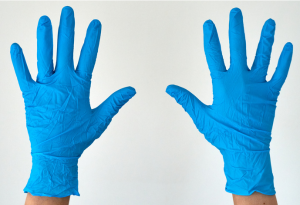
1. Use Bottom-Dispensing Glove Boxes
Unlike top-pull designs, bottom-dispensing glove boxes reduce physical contact with unused gloves. Gloves are dispensed one at a time, making it nearly impossible to touch more than what you need.
2. Choose Smarter Glove Packaging
Brands like Progenics have developed glove boxes specifically designed to address contamination risks. Their bottom-dispensing system ensures only the glove being retrieved is touched — a simple yet powerful shift in hygiene control.
3. Educate Staff on Glove Use
Proper training can reinforce the importance of:
-
Not touching unused gloves
-
Avoiding pushing gloves back into boxes
-
Washing hands before glove retrieval
4. Install Wall-Mounted Glove Dispensers
These reduce contact with counters or storage areas that might harbour germs and position gloves for optimal accessibility and hygiene.
Bonus: Improve Sustainability and Glove Fit
Explore eco-friendly options and glove types that best suit your workplace by reading:
-
Biodegradable Disposable Gloves: Making a Difference in the Workplace
-
Are You Choosing the Right Nitrile Gloves for Your Workplace?
Ready to Improve Workplace Hygiene?
At Insinc Products, we stock Progenics bottom-dispensing gloves that help businesses across New Zealand maintain cleaner, safer workplaces. Browse our glove collection or get in touch for product recommendations.
FAQ
Q: Can gloves really become contaminated before use?
A: Yes. If users touch multiple gloves or surfaces during retrieval, bacteria and viruses can transfer before gloves are even worn.
Q: How do bottom-dispensing glove boxes help?
A: They reduce contact with other gloves, preventing users from contaminating the batch.
Q: Are Progenics gloves certified for use in food and healthcare industries?
A: Yes, Progenics gloves meet the hygiene standards for use in both industries.