Paper vs Plastic Cold Cups: What’s the Better Choice in New Zealand?
Choosing between paper and plastic cold cups is not as straightforward as it once was. For New Zealand cafés, hospitality venues, event organisers and commercial workplaces, the right choice affects sustainability goals, recyclability, performance and overall cost. Understanding the real difference between paper vs plastic cups will help your business make a smarter, future-focused decision.
Disposable cold cups are widely used for smoothies, iced coffee, juices and soft drinks. But when comparing paper and plastic options, many NZ businesses are unsure which material truly performs better — both environmentally and commercially.
This guide breaks down paper vs plastic cold cups so you can confidently choose the best option for your business.
What Is the Difference Between Paper and Plastic Cold Cups?
What Are Plastic Cold Cups?

Plastic cold cups are typically made from PET (polyethylene terephthalate). They are clear, durable and commonly used across New Zealand for takeaway cold beverages.
Plastic cups are:
-
Strong and crack-resistant
-
Ideal for smoothies and iced drinks
-
Compatible with dome and flat lids
-
Technically recyclable if clean and accepted locally
Their clarity makes them popular for product presentation, particularly for layered drinks and branded beverages.
What Are Paper Cold Cups?

Paper cold cups are made primarily from paperboard but include a thin plastic lining (usually polyethylene) to prevent leaks.
Paper cups are:
-
Opaque rather than clear
-
Often perceived as more environmentally friendly
-
Suitable for both hot and cold drinks (depending on design)
However, the plastic lining can make recycling more complicated, depending on local facilities.
Environmental Impact: Are Paper Cups Better Than Plastic?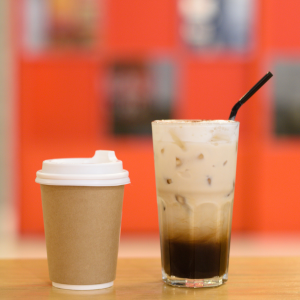
One of the most searched questions in New Zealand is: Are paper cups better than plastic?
The answer depends on disposal systems and how the cup is used.
Plastic Cups (PET)
-
Made from fossil fuels
-
Recyclable in theory
-
Often contaminated after use
-
Can persist in landfill for hundreds of years
Paper Cups
-
Made from renewable paper fibre
-
Contain a plastic lining
-
Not always accepted in kerbside recycling
-
May require specialist recycling streams
In many NZ regions, paper cups cannot go into standard recycling because the plastic lining must be separated during processing.
For businesses focused on reducing visible plastic use, paper may feel like a better option. However, disposal outcomes are not always significantly better unless specialised recycling is available.
If you’re also exploring plant-based compostable options, you may find our comparison helpful: PLA vs Plastic Cold Cups: Which Is Better for NZ Businesses?
Performance: Which Material Works Better for Cold Drinks?
For smoothies, iced coffee and cold beverages, performance matters.
Plastic Cold Cups Perform Better When:
-
You need high clarity for visual appeal
-
Drinks are thick or heavy (e.g. smoothies)
-
Condensation is likely
-
You require dome lids for whipped toppings
Paper Cold Cups Perform Better When:
-
Branding is printed directly onto the cup (MOQ apply)
-
Insulation is required
-
The cup may also be used for hot drinks
Plastic cups typically provide stronger structural integrity for cold drinks and takeaway use.
Cost Considerations for NZ Businesses
When comparing paper vs plastic cups in bulk, businesses should evaluate:
-
Unit cost per cup
-
Lid compatibility
-
Storage efficiency
-
Branding requirements
-
Waste disposal costs
In many cases, plastic cold cups remain more cost-effective for high-volume beverage service. However, branding and perceived sustainability may influence purchasing decisions.
Compliance and Future Packaging Expectations
New Zealand’s evolving approach to single-use plastics means businesses should think long-term about packaging choices.
While clear plastic cold cups are not currently prohibited, consumer expectations are shifting. Businesses increasingly need to demonstrate responsible packaging decisions.
For a deeper understanding of current regulations, read our guide: Are Disposable Cold Cups Still Allowed Under NZ’s Single-Use Plastic Ban?
Which Option Is Better for Your Business?
Choose Plastic Cold Cups If:
-
You prioritise durability and clarity
-
You serve high volumes of smoothies or iced drinks
-
You want reliable lid compatibility
Choose Paper Cold Cups If:
-
Printed branding is important
-
You serve both hot and cold beverages
-
You want a non-clear appearance
The right decision depends on your service model, waste systems and brand positioning.
If you’re ready to move from comparison to selection, see our practical guide: How to Choose the Right Disposable Cold Cups for Your Café, Event or Workplace.
Why NZ Businesses Trust Insinc for Cold Cups
Insinc Products supplies high-quality disposable cold cups to cafés, hospitality venues, events and commercial workplaces throughout New Zealand.
We help businesses:
-
Choose the right material for their operational needs
-
Order in bulk at competitive pricing
-
Align packaging with sustainability goals
-
Future-proof purchasing decisions
Whether you need plastic or paper cold cups, our team can guide you toward the most practical and cost-effective solution.
Frequently Asked Questions
Are paper cups more environmentally friendly than plastic?
Paper cups are made from renewable fibre but contain a plastic lining. Their environmental benefit depends on whether specialised recycling facilities are available.
Are plastic cold cups recyclable in NZ?
Some PET plastic cups are recyclable if clean and accepted locally, but contamination often prevents successful recycling.
Can paper cold cups be recycled in kerbside bins?
In many areas of New Zealand, paper cups are not accepted in standard kerbside recycling due to the plastic lining.
Which is cheaper: paper or plastic cold cups?
Plastic cold cups are often more cost-effective for high-volume use, though pricing depends on supplier and order size.
What is best for smoothies: paper or plastic?
Plastic cold cups typically provide better strength and clarity for smoothies and iced beverages.
Upgrade Your Cold Cup Supply with Confidence – Choose Insinc
If you’re reviewing your disposable cold cup options, now is the time to ensure your packaging aligns with performance, sustainability and cost expectations.
Insinc supplies reliable, bulk cold cups for NZ businesses — with expert advice and competitive pricing to match.
Explore our disposable cold cup range today and make the right choice for your business.