Back-to-School Germs: How NZ Schools Can Prevent Illness Outbreaks
As students head back to school across New Zealand, classrooms quickly become hotspots for germs and illness outbreaks. With high-touch surfaces, shared spaces, and close contact throughout the day, viruses and bacteria can spread rapidly—impacting attendance, staff wellbeing, and overall learning outcomes. What many schools don’t realise is that preventing outbreaks doesn’t require a bigger budget. By adopting smarter cleaning strategies, using effective disinfectant solutions, and implementing eco-friendly hygiene practices, schools can significantly reduce illness while maintaining cost control. This guide explores practical, scalable, and cost-effective ways NZ schools can protect students and staff while creating healthier learning environments.
Why Illness Outbreaks Are Common in Schools
Schools are naturally high-risk environments for the spread of illness because they bring together large groups of students and staff in close proximity for extended periods. Unlike many workplaces, schools involve constant movement, shared resources, and varying levels of hygiene awareness—especially among younger students. This combination creates the perfect conditions for germs to spread quickly and widely.
Students interact with dozens, sometimes hundreds, of surfaces and people each day. From desks and chairs to shared equipment and bathroom facilities, germs can easily transfer from one person to another without proper hygiene controls in place. Once a virus enters the school environment, it can spread rapidly unless proactive measures are implemented. This is why schools need to think beyond reactive cleaning and instead adopt structured, preventative hygiene systems that actively reduce transmission risks throughout the day.
Common high-risk interactions include:
-
Sharing classroom materials such as books and stationery
-
Using communal devices like tablets and keyboards
-
Frequent contact with desks, chairs, and door handles
-
Close-contact activities such as group work and sports
Guidance from New Zealand health authorities, including Te Whatu Ora, highlights that close-contact settings significantly increase the risk of rapid illness transmission, particularly when combined with shared equipment and indoor environments. Their outbreak preparedness recommendations emphasise the importance of early intervention, clear hygiene protocols, and consistent cleaning practices in these situations. For schools, this means that managing high-contact activities isn’t about removing them entirely, but about supporting them with stronger hygiene controls, such as pre- and post-activity handwashing, targeted surface disinfection, and ensuring cleaning systems are consistently applied across all shared spaces.
The Most Common School Illnesses in New Zealand
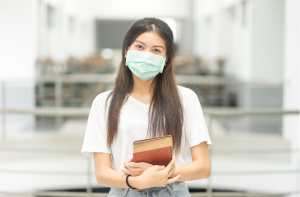
Throughout the school year—particularly during Term 1 transitions and the colder winter months—New Zealand schools commonly experience outbreaks of respiratory and gastrointestinal illnesses. These include colds, influenza, COVID-19, and gastroenteritis, all of which can spread quickly through direct contact or contaminated surfaces. Skin infections are also a concern, especially in environments where hygiene practices may be inconsistent.
The impact of these illnesses extends beyond individual students. Entire classrooms can be affected within days, leading to widespread absenteeism and disruption to teaching schedules. This makes prevention not just a health priority, but an operational one as well.
The Hidden Cost of Germ Outbreaks in Schools.
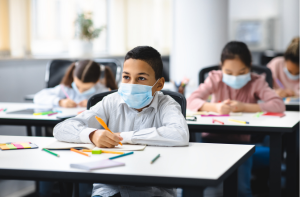
While the health risks of illness outbreaks are obvious, the financial and operational costs are often underestimated. When students and staff are absent due to illness, schools face disruptions that can affect learning outcomes, staffing levels, and administrative workloads.
Impact on Students and Learning
Frequent absences can significantly hinder a student’s ability to keep up with lessons, particularly in critical learning periods. When multiple students are away at the same time, teachers may need to revisit material, slowing down overall progress. Over time, this can impact academic performance and student confidence.
From an operational perspective, illness outbreaks can lead to increased costs through relief staffing, additional cleaning requirements, and administrative strain. Schools may also need to respond to concerns from parents and the wider community, placing further pressure on leadership teams. Preventative strategies, therefore, are not just beneficial—they are essential for maintaining smooth school operations.
How Germs Spread in School Environments

Understanding how germs spread within schools is key to preventing outbreaks. In most cases, transmission occurs through a combination of surface contact, airborne particles, and poor hygiene practices. By identifying these pathways, schools can implement targeted strategies that effectively break the chain of infection.
High-Touch Surfaces
High-touch surfaces are among the biggest contributors to germ transmission in schools. Items such as door handles, desks, light switches, tap handles, and shared devices are used repeatedly throughout the day by multiple individuals. Without regular and effective cleaning, these surfaces can harbour bacteria and viruses for extended periods, acting as ongoing sources of contamination.
Key high-touch areas to prioritise include:
-
Door handles and push plates
-
Student desks and shared tables
-
Light switches and railings
-
Tap handles and bathroom fixtures
-
Shared digital devices such as laptops and tablets
Poor Hygiene Practices
Inconsistent handwashing and limited access to hygiene supplies can significantly increase the risk of illness spreading. Younger students, in particular, may not fully understand or follow proper hygiene practices without guidance and reinforcement from staff.
Ineffective Cleaning Products
Not all cleaning products are designed to eliminate harmful pathogens. Using an ineffective disinfectant can result in surfaces that appear clean but still harbour germs. This creates a false sense of security and allows illnesses to continue spreading unnoticed.
Step-by-Step Strategy to Prevent Illness Outbreaks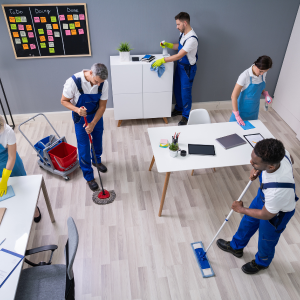
1. Implement Daily Disinfection of High-Touch Areas
Routine cleaning is important, but disinfection is what actively kills germs. Schools should establish a consistent schedule for disinfecting high-touch surfaces daily, with increased frequency during high-risk periods such as flu season. This includes classrooms, bathrooms, staff rooms, and common areas where large numbers of people gather.
Using a reliable, hospital-grade disinfectant ensures that harmful bacteria and viruses are effectively eliminated while maintaining a safe environment for students and staff. Consistency is key—sporadic cleaning will not provide the same level of protection as a structured, daily routine.
2. Choose Eco-Friendly Cleaning Products
Switching to eco-friendly cleaning products allows schools to maintain high hygiene standards while reducing exposure to harsh chemicals. Traditional cleaning agents can contribute to poor indoor air quality and may trigger respiratory issues, particularly in sensitive individuals.
Eco-friendly alternatives are designed to be just as effective while being safer for both people and the environment. Over time, this can lead to improved wellbeing for students and staff, as well as alignment with broader sustainability goals within the education sector.
3. Encourage Proper Hand Hygiene
Hand hygiene remains one of the simplest and most effective ways to prevent the spread of illness. Schools should ensure that students and staff have easy access to handwashing facilities and hygiene products throughout the day. This includes maintaining a steady supply of soap, hand drying options, and eco-friendly tissues.
To strengthen hygiene habits, schools should:
-
Install clear handwashing signage in bathrooms and classrooms
-
Schedule handwashing at key times (before eating, after play)
-
Ensure consistent availability of hygiene supplies
-
Encourage teachers to model good hygiene behaviour
Education also plays a critical role. Teaching students proper handwashing techniques and reinforcing these habits through signage and reminders can significantly reduce the transmission of germs across the school environment.
4. Use Microfibre Cleaning Systems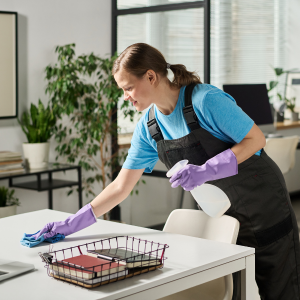
Microfibre cleaning systems offer a highly effective and cost-efficient way to remove dirt, bacteria, and viruses from surfaces. Unlike traditional cloths, microfibre materials are designed to trap particles more effectively, reducing the need for excessive chemical use.
In addition to improving cleaning outcomes, microfibre cloths are reusable and durable, making them a sustainable choice for schools looking to reduce waste and manage costs more efficiently.
5. Improve Cleaning Frequency During High-Risk Periods
During times when illness risk is elevated, such as winter months or known outbreaks, increasing cleaning frequency can make a significant difference. This doesn’t necessarily mean increasing costs—it often involves reallocating resources and focusing efforts on the most critical areas.
By prioritising high-traffic and shared spaces, schools can reduce the likelihood of widespread transmission while maintaining control over cleaning budgets.
6. Ensure Proper Ventilation
Ventilation plays a crucial role in reducing airborne transmission of viruses. Ensuring that classrooms and shared spaces have adequate airflow can help disperse airborne particles and lower the risk of infection.
Simple measures such as opening windows, using existing ventilation systems effectively, and avoiding overcrowded spaces can contribute to a healthier indoor environment without requiring significant investment.
7. Train Staff and Students
Education and training are essential components of any effective hygiene strategy. Cleaning staff should be trained on the correct use of products, including dilution ratios and application techniques, to maximise effectiveness and minimise waste.
Students and teaching staff should also be educated on hygiene best practices, creating a shared responsibility for maintaining a clean and healthy environment.
8. Reduce Cross-Contamination
Cross-contamination occurs when germs are transferred from one surface or area to another, often through cleaning tools or improper practices. This can quickly undermine even the most thorough cleaning efforts and lead to the rapid spread of illness across multiple areas of the school.
Effective ways to prevent cross-contamination include:
-
Using colour-coded cloths for different areas (e.g., bathrooms vs classrooms)
-
Changing cleaning tools regularly
-
Storing equipment separately for different zones
-
Training staff on correct cleaning sequences and techniques
Implementing colour-coded cleaning systems, using separate tools for different areas, and ensuring proper storage of supplies can significantly reduce the risk of cross-contamination and improve overall hygiene outcomes.
Cost-Effective Ways to Maintain Hygiene Standards
Maintaining high hygiene standards does not have to come at a higher cost. In fact, many eco-friendly and efficient cleaning practices can help schools reduce expenses over time while improving outcomes.
Use Concentrated Cleaning Products
Concentrated cleaning products allow schools to dilute solutions as needed, resulting in a lower cost per use. This not only reduces spending but also minimises packaging waste and storage requirements, making it a practical and sustainable choice.
Buy Cleaning Supplies in Bulk
Purchasing cleaning supplies in bulk can significantly reduce per-unit costs and ensure that schools always have essential products on hand. This approach also helps avoid last-minute purchases, which are often more expensive and less efficient.
Work with a Trusted Supplier
Partnering with a reliable supplier, like Insinc, can provide schools with access to expert advice, cost-saving recommendations, and consistent product availability. A good supplier will also support schools in transitioning to more sustainable practices without increasing overall costs.
The Role of Sustainable Hygiene in NZ Schools
Sustainability is becoming an increasingly important focus for schools across New Zealand. By adopting eco-friendly cleaning practices, schools can contribute to environmental goals while also creating safer and healthier learning environments.
Benefits of Green Cleaning
Green cleaning solutions reduce exposure to harmful chemicals, improve indoor air quality, and support long-term environmental sustainability. These benefits extend beyond the classroom, contributing to healthier communities and ecosystems.
Supporting Long-Term Health Outcomes
Reducing chemical exposure and improving hygiene standards can have lasting benefits for student and staff wellbeing. Healthier environments lead to fewer illnesses, improved attendance, and better overall outcomes for the school community. However, many schools assume that improving hygiene standards and switching to safer products will increase costs, which can delay action. In reality, with the right approach, schools can achieve both improved health outcomes and cost savings.
In our related guide, How NZ Schools Can Switch to Eco-Friendly Cleaning Without Increasing Costs, we explore practical strategies for reducing chemical use, improving efficiency, and lowering long-term cleaning expenses—making it easier for schools to adopt sustainable practices without impacting budgets.
Common Mistakes Schools Make (and How to Avoid Them)

Using the Wrong Cleaning Products
Selecting ineffective or inappropriate cleaning products can undermine hygiene efforts and allow germs to persist. Schools should prioritise high-quality, proven solutions that are suitable for educational environments.
Inconsistent Cleaning Practices
Without a clear and consistent cleaning schedule, even the best products will not deliver results. Establishing structured routines ensures that all areas are properly maintained.
Lack of Staff Training
Untrained staff may misuse products or apply ineffective techniques, leading to wasted resources and reduced effectiveness. Regular training helps maintain high standards and consistency.
Ignoring High-Touch Surfaces
Failing to prioritise high-touch surfaces can significantly increase the risk of illness transmission. These areas should always be a primary focus of cleaning efforts.
Back-to-School Hygiene Checklist
-
Disinfect high-touch surfaces daily
-
Stock up on disinfectant and hygiene products
-
Provide eco-friendly tissues in classrooms
-
Train staff on cleaning protocols
-
Promote hand hygiene among students
-
Increase cleaning during flu season
-
Review ventilation systems
-
Partner with a reliable supplier
Frequently Asked Questions
What is the best way to prevent illness in schools?
A combination of regular disinfection, strong hygiene practices, and effective cleaning products provides the most reliable defence against illness outbreaks. Consistency and education are key factors in ensuring these measures are successful.
Are eco-friendly cleaning products effective against germs?
Yes, modern eco-friendly cleaning products are designed to meet commercial standards and can effectively eliminate bacteria and viruses when used correctly. They offer the added benefit of being safer for users and the environment.
How often should schools disinfect surfaces?
High-touch surfaces should be disinfected daily as a minimum, with increased frequency during periods of heightened illness risk. This helps reduce the likelihood of germs spreading throughout the school.
What products should schools prioritise?
Schools should focus on essential items such as disinfectant, hand hygiene supplies, eco-friendly tissues, and surface cleaners to maintain a safe and hygienic environment.
Why Choose Insinc for School Cleaning Solutions
At Insinc, we understand the challenges New Zealand schools face when it comes to maintaining hygiene standards while managing costs. We provide high-quality eco-friendly cleaning products, cost-effective solutions, and expert guidance to help schools create safer environments for students and staff.
Our approach focuses on delivering practical, sustainable outcomes that align with both budget requirements and long-term health goals. By partnering with Insinc, schools can confidently implement cleaning strategies that reduce illness risk without increasing operational costs.
Conclusion
Back-to-school season doesn’t have to lead to widespread illness across classrooms. With the right combination of effective cleaning practices, eco-friendly products, and education, schools can significantly reduce the spread of germs and create healthier learning environments.
By focusing on prevention, consistency, and smarter resource use, NZ schools can protect students and staff while maintaining control over costs. The result is a safer, more resilient school community that is better equipped to thrive throughout the year.