What Are the Ministry of Education Cleaning Requirements for NZ Schools?
Maintaining a clean and hygienic school environment in New Zealand is not just best practice - it is an essential responsibility aligned with Ministry of Education expectations and public health guidance. Schools must balance compliance, student safety, operational efficiency, and budget constraints, all while ensuring cleaning systems are effective and sustainable. This in-depth guide breaks down the cleaning requirements for NZ schools, explains what compliance really looks like in practice, and provides actionable strategies to help schools meet standards without unnecessary cost or complexity.
Why Cleaning Compliance Matters in NZ Schools
Cleaning in schools is directly linked to student health, staff wellbeing, and overall learning outcomes. The Ministry of Education, alongside public health authorities, sets expectations that schools maintain safe and hygienic environments to minimise the spread of illness and ensure duty of care obligations are met.
When cleaning standards are not met, the risks go beyond visible dirt. Poor hygiene can lead to increased illness outbreaks, higher absenteeism, and additional strain on school resources. As highlighted in our article, Back-to-School Germs: How NZ Schools Can Prevent Illness Outbreaks, ineffective cleaning systems can quickly result in widespread transmission of viruses and bacteria in high-contact environments.
Meeting cleaning requirements is therefore not just about compliance—it is about creating a safe and productive environment where students can learn without unnecessary health risks.
Understanding Ministry of Education Expectations

While the Ministry of Education does not always prescribe exact product lists or rigid procedures, it sets clear expectations around outcomes. Schools are responsible for ensuring that cleaning systems are sufficient to maintain hygiene, reduce risks, and meet health and safety obligations.
These expectations are typically aligned with guidance from public health authorities, including:
-
Maintaining clean and sanitary facilities
-
Ensuring regular cleaning of high-touch surfaces
-
Providing adequate hygiene supplies
-
Responding effectively to illness outbreaks
This means schools must take a proactive approach, designing cleaning systems that are structured, consistent, and adaptable to changing health risks.
Core Cleaning Requirements for NZ Schools
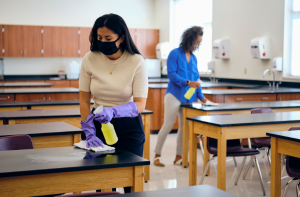
To meet Ministry expectations, schools should focus on several key areas that form the foundation of an effective cleaning system.
1. Daily Cleaning of High-Touch Surfaces
High-touch surfaces are the most critical areas to address in any school cleaning programme. These include desks, door handles, light switches, and shared equipment. These surfaces must be cleaned and disinfected regularly to prevent the spread of germs.
A structured daily routine should include:
-
Wiping down desks and tables
-
Disinfecting door handles and switches
-
Cleaning shared devices
-
Sanitising bathroom fixtures
Using an effective disinfectant is essential to ensure that harmful bacteria and viruses are eliminated rather than simply spread across surfaces.
2. Bathroom and Hygiene Facility Standards
Bathrooms are high-risk areas that require strict cleaning protocols. Schools must ensure that these facilities are cleaned frequently and stocked with essential hygiene products at all times.
Minimum expectations include:
-
Regular cleaning and disinfection of toilets and sinks
-
Continuous availability of soap and hand drying options
-
Proper waste disposal systems
Providing reliable hygiene supplies such as eco-friendly tissues and paper products plays a critical role in maintaining these standards.
3. Waste Management and Disposal
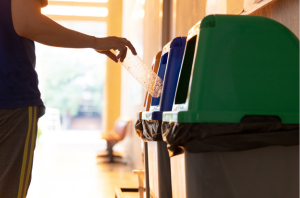
Effective waste management is another key component of compliance. Schools must ensure that waste is collected, stored, and disposed of in a way that minimises health risks.
Best practices include:
-
Daily emptying of bins in classrooms and shared spaces
-
Safe disposal of hygiene and cleaning waste
-
Use of appropriate liners and waste systems
4. Cleaning Frequency and Scheduling
Cleaning must be consistent and structured. Schools should implement clear schedules that outline daily, weekly, and periodic cleaning tasks.
These schedules should be adaptable based on:
-
Student population size
-
Seasonal illness trends
-
Specific school activities or events
5. Availability of Hygiene Supplies
Access to hygiene products is a fundamental requirement. Students and staff must have the ability to maintain personal hygiene throughout the day.
Essential supplies include:
Aligning Cleaning Practices with Health Guidance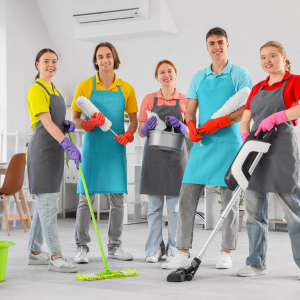
Cleaning requirements in NZ schools are closely linked to public health recommendations. During periods of increased illness risk, such as flu season, schools are expected to strengthen their cleaning and hygiene practices.
This includes:
-
Increasing cleaning frequency
-
Prioritising high-touch surfaces
-
Reinforcing hand hygiene practices
As explored in Back-to-School Germs: How NZ Schools Can Prevent Illness Outbreaks, these measures are essential for reducing transmission and maintaining safe learning environments.
The Role of Eco-Friendly Cleaning in Compliance
Many schools assume that meeting hygiene standards requires the use of harsh chemicals. However, this is not the case. Eco-friendly cleaning products can meet compliance requirements while offering additional benefits.
These products:
-
Reduce exposure to harmful chemicals
-
Improve indoor air quality
-
Support sustainability goals
In our guide, How NZ Schools Can Switch to Eco-Friendly Cleaning Without Increasing Costs, we outline how schools can transition to safer products without increasing their budgets. This demonstrates that compliance and sustainability can go hand in hand.
Choosing the Right Cleaning Products for Compliance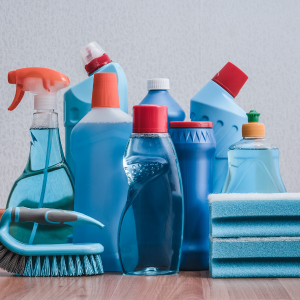
Selecting the right products is critical for meeting Ministry expectations. Schools must ensure that their cleaning supplies are effective, safe, and suitable for educational environments.
As detailed in our buyer’s guide, How to Choose the Right Cleaning Products for NZ Schools, decision-makers should evaluate products based on effectiveness, safety, cost-efficiency, and ease of use.
Key considerations include:
-
Proven effectiveness against germs
-
Safe formulations for children
-
Ease of use for cleaning staff
-
Long-term cost efficiency
Common Compliance Gaps in NZ Schools
Even with the best intentions, many schools fall short of cleaning requirements due to common issues.
Inconsistent Cleaning Practices
Without structured schedules, cleaning can become inconsistent, leaving gaps in hygiene coverage.
Ineffective Products
Using low-quality or unsuitable products can result in poor cleaning outcomes and increased health risks.
Lack of Staff Training
Improper use of cleaning products can reduce effectiveness and lead to waste.
Insufficient Hygiene Supplies
Running out of essential items such as tissues or soap can quickly undermine hygiene efforts.
How Schools Can Stay Compliant Without Increasing Costs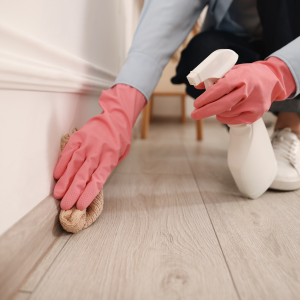
Compliance does not have to mean higher expenses. With the right approach, schools can maintain high standards while managing budgets effectively.
Use Concentrated Products
Concentrated cleaning solutions reduce cost per use and minimise waste.
Standardise Cleaning Systems
Using fewer, multi-purpose products simplifies processes and reduces spending.
Train Staff Effectively
Proper training ensures products are used efficiently and correctly.
Partner with the Right Supplier
A knowledgeable supplier can provide guidance, recommend cost-effective solutions, and help schools streamline their cleaning systems.
Practical Checklist for Meeting NZ School Cleaning Requirements
-
Clean and disinfect high-touch surfaces daily
-
Maintain strict bathroom cleaning protocols
-
Ensure continuous access to hygiene supplies
-
Implement structured cleaning schedules
-
Train staff on correct cleaning procedures
-
Monitor and review cleaning performance regularly
Frequently Asked Questions
Are there strict Ministry rules on cleaning products?
The Ministry focuses on outcomes rather than specific products, but schools must ensure their cleaning systems are effective and safe.
How often should schools clean?
High-touch areas should be cleaned daily, with increased frequency during illness outbreaks.
Can eco-friendly products meet compliance standards?
Yes, many eco-friendly products meet or exceed cleaning requirements while offering additional safety and environmental benefits.
Why Choose Insinc for School Cleaning Solutions
At Insinc, we help New Zealand schools meet cleaning requirements with confidence. Our approach focuses on delivering effective, sustainable, and cost-efficient solutions tailored to each school’s needs.
We provide:
-
Expert advice and support
-
Cost-saving strategies
Our goal is to help schools create safer environments while maintaining compliance and controlling costs.
Conclusion
Understanding and meeting Ministry of Education cleaning requirements is essential for every NZ school. By focusing on effective systems, the right products, and consistent practices, schools can maintain high hygiene standards without unnecessary complexity or expense.
With the right strategy and support, compliance becomes not just achievable, but an opportunity to improve overall health, safety, and operational efficiency.
https://www.insinc.co.nz/category/cleaning-products-supplies.html