
How Do You Clean and Maintain Rubber Kitchen Mats for Longevity?
Rubber kitchen mats are essential for safety and comfort in New Zealand's commercial kitchens. But without proper cleaning and maintenance, even the best mats can become unhygienic, slippery, or wear out prematurely. Knowing how to care for your mats not only improves hygiene but also protects your investment and extends their service life.
Whether you're running a restaurant, café, food processing plant, or catering kitchen, this guide will show you exactly how to clean and maintain your rubber mats for maximum durability.
Why Clean Kitchen Mats Regularly?
Kitchen mats are exposed to heavy foot traffic, spills, grease, and food debris daily. If not cleaned, they can:
-
Become slippery and hazardous
-
Emit odours
-
Harbour bacteria and mould
-
Deteriorate faster
Routine maintenance ensures the mats stay effective, safe, and compliant with hygiene regulations.
Daily Cleaning Routine
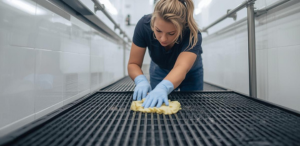
A simple daily clean can keep your mats in excellent shape (check manucturer instructions first):
-
Remove the Mats: Lift the mats from the floor and shake off any loose debris.
-
Rinse with Water: Use a hose or warm water to rinse away dirt and liquids.
-
Scrub Gently: Use a mild detergent and a long-handled brush or deck scrubber to clean both sides.
-
Rinse Thoroughly: Make sure to remove all soap residue to avoid slipperiness.
-
Dry Completely: Hang mats over a railing or drying rack to allow full air-drying before placing them back.
Deep Cleaning (Weekly or Bi-Weekly)
For high-traffic kitchens, a deeper clean every week or two is essential:
-
Soak in a Diluted Disinfectant: Submerge mats in a non-corrosive disinfectant to kill bacteria and remove grease.
-
Use a Degreaser: For greasy mats, apply a commercial kitchen degreaser before scrubbing.
-
Pressure Wash: If appropriate, use a low-pressure washer for a thorough rinse.
Always check the manufacturer's instructions before using chemicals or high-pressure tools.
Tips to Extend Mat Life
-
Avoid harsh chemicals like bleach that can degrade rubber
-
Don’t leave mats soaking for too long
-
Store rolled mats in a dry place
-
Use designated zones to reduce mat dragging
-
Rotate mats to distribute wear evenly
Related Reading: Take Your Mat Strategy Further
If you're looking to further improve staff wellbeing and safety in your commercial kitchen, don’t miss our articles:
-
How Can a Quality Kitchen Floor Mat Improve Staff Comfort and Safety? – Discover how the right mat can reduce fatigue and support productivity.
-
Which Kitchen Mat Is Right for You – Anti-Slip, Anti-Fatigue, or Both? – Compare types of mats and decide what best suits your kitchen’s needs.
FAQs
Can I put rubber mats in the dishwasher?
Only if the manufacturer specifies. Some smaller rubber mats are dishwasher safe, but most should be hand-cleaned.
What cleaning products are safe to use?
Use mild dish soap, non-corrosive disinfectants, and commercial kitchen degreasers that are rubber-safe.
How often should I replace rubber kitchen mats?
With proper care, mats can last 2–5 years. Replace them if they crack, curl, or lose grip.
Can I clean mats with a pressure washer?
Yes, but always use low pressure to avoid damaging the material. Avoid hot water unless specified.
Conclusion
Keeping rubber kitchen mats clean isn’t just about appearance—it’s about safety, hygiene, and cost savings. With regular care and the right techniques, your mats can last years while helping maintain a safer, cleaner kitchen.
For high-quality commercial rubber mats that are easy to clean and built to last, explore our range at Insinc Products.