
Do Plastic Chair Mats Really Protect Your Carpet in New Zealand Offices? — Office Flooring Guide
In the modern office — whether in Auckland, Wellington or Christchurch — carpet is a common flooring choice. It offers warmth, reduces noise, and gives a professional finish to workspaces. But what happens when staff spend hours rolling office chairs on that carpet? Over time, carpet fibres can compress, flatten or even wear out prematurely.
Enter the plastic chair mat — a seemingly simple solution. But do they really protect carpet floors in offices? The short answer is: yes — when you choose the right type of mat. In this post, I’ll explore how plastic chair mats protect carpet, what to watch out for, and why many NZ offices benefit from them.
How Chair Mats Protect Carpets (and When They Work)

1. Shielding carpet from wear and damage
Rolling office chairs repeatedly over carpet can cause damage: wheels sink in, creating uneven weight distribution, friction scrapes fibres, and repeated motion flattens pile or causes dents. Over time, this degrades the look and lifespan of the carpet.
A good chair mat creates a firm, stable surface under the wheels, preventing them from cutting into or compressing the carpet — effectively acting as a barrier between chair and carpet.
2. Making rolling easier — reducing strain & extending carpet life
Without a mat, rolling a chair over carpet (especially mid‑ or high‑pile carpet) is difficult and can cause excessive stress on both the carpet and chair wheels. A mat allows smoother movement — less friction, easier gliding — which translates to fewer repeated impacts on the same carpet fibres.
Beyond protecting the carpet, this smoother movement also improves ergonomics for staff: less push/pull effort when repositioning chairs can reduce leg/back strain.
3. Protecting against spills and other accidents
In offices where food/drink is present, spills are inevitable. A chair mat provides a wipe‑cleanable surface, shielding carpet from stains, moisture or ink spills that might otherwise soak into fibres — potentially ruining carpet or reducing its lifespan.
4. Static protection and safeguarding office equipment
Some chair mats (especially anti‑static types) help reduce the build‑up of static electricity that can occur when a chair is rolled across carpet. In tech‑heavy offices (computers, servers), this can be a useful safety bonus.
If you're also thinking about how your workspace impacts employee wellbeing and performance, we dive deeper into this topic in our article: Can an Office Chair Mat Improve Comfort and Productivity?. It explores how the right mat can contribute to better ergonomics and a more efficient workday.
Why Not All Plastic Chair Mats Are Equally Effective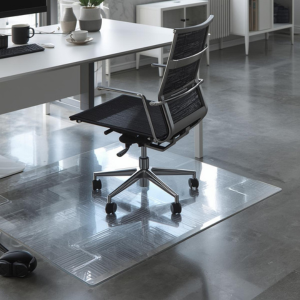
Plastic chair mats are not a one‑size‑fits‑all solution. Their effectiveness depends heavily on the carpet type, mat material and quality. Here are some caveats:
1. Material matters: Polycarbonate vs. PVC
Plastic chair mats come in different materials. Many cheaper mats use PVC or vinyl — these may work on hard floors but often perform poorly on carpet because they’re too flexible, thin, or lack proper backing.
By contrast, mats made of rigid polycarbonate tend to be far more durable and effective on carpet. They resist flexing or cracking under weight, provide stable support for casters, and are less likely to deform over time.
2. Carpet pile matters — not all carpets are the same
Office carpets vary: low‑pile, medium‑pile, to plush/high‑pile. A thin mat may be fine for low‑pile carpet, but with medium or high‑pile — common in many commercial offices — you need a mat that’s thick enough and has a grippy underside (cleats, studs) to prevent sinking or shifting.
If the mat is too thin for the carpet’s depth, the casters may still indent the carpet underneath or the mat might buckle — defeating the purpose.
3. Quality and longevity vary — cheap mats may deteriorate quickly
Low‑quality plastic mats (especially PVC) may warp, crack, curl at the edges, or discolor over time — which not only looks unprofessional but can become a safety hazard (trip hazard) and reduce protective effectiveness.
A high-quality mat — ideally polycarbonate and designed for carpets — is often worth the extra cost because it lasts longer, stays rigid and continues protecting the floor effectively.
4. Chair mats don’t guarantee perfection — misuse minimizes benefits
If the mat is undersized (too small), doesn’t cover the area where the chair moves, or is not placed properly (e.g. stud side down on carpet), it won’t protect the carpet properly. Also, heavy furniture placed partly on/off the mat, or high‑traffic walking around the mat may still wear the surrounding carpet.
For more specific guidance on mat compatibility with thinner carpet styles, you might like our article: Do You Need a Chair Mat on Low-Pile Carpet?. It breaks down which mats work best and what features to look for to avoid damage or slipping on low-profile carpet surfaces.
Conclusion: Should NZ Offices Use Plastic Chair Mats on Carpet?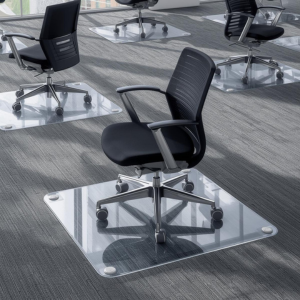
Yes — plastic chair mats can play a vital role in protecting carpet, extending its lifespan, and improving office ergonomics, but only when you choose the right type. For New Zealand offices:
-
If you have low‑pile carpet and light chair use, a decent PVC or polycarbonate mat might suffice.
-
If you have medium or high‑pile carpet (common in commercial offices), frequent chair movement or heavy foot traffic, investing in a high‑quality polycarbonate mat with proper carpet‑compatible backing makes real sense.
-
Long‑term costs count: a good chair mat is technically a protective investment — replacing carpet is far more expensive and disruptive than installing a mat.
Given that offices require durability and often heavy daily use, my recommendation is: go for the best carpet‑compatible plastic (polycarbonate) mat you can afford. The upfront cost may be higher, but the protection, reduced wear and tear — and lower maintenance — make it worth it over time.
Many businesses underestimate how damaging chair casters and repeated movement can be to carpet. Especially in a country like New Zealand where commercial carpets are a significant investment, a good chair mat is a small but smart preventive measure.
Why Buy Your Chair Mat from Insinc?
At Insinc, we understand the needs of New Zealand workplaces. That’s why we offer a curated range of durable, high-quality chair mats designed specifically for commercial carpet and hard flooring environments. Our mats are selected for their longevity, ergonomic benefits, and effectiveness on different carpet types. Whether you’re furnishing a home office or a multi-desk corporate space, Insinc has the right option for you — backed by excellent service and fast NZ-wide delivery.
Shop now at Insinc Products to find the ideal chair mat for your office!
Frequently Asked Questions
Q1: Do I need a chair mat if my carpet is already heavy-duty?
A: Yes, even commercial-grade carpet can wear down over time with repeated chair movement. A mat extends carpet life and maintains appearance.
Q2: What’s the best material for a chair mat on carpet?
A: Polycarbonate is ideal. It’s rigid, durable, and won’t curl or dent under pressure, making it perfect for carpeted floors.
Q3: Can I use a hard floor mat on carpet?
A: No, mats designed for hard floors lack the grip needed for carpet and may slide around. Always choose a mat rated for carpet use.
Q4: How do I choose the right size chair mat?
A: Choose a mat that covers the area your chair moves across daily. A typical size is around 120cm x 90cm for standard desks.
Q5: Will a chair mat damage my carpet?
A: Not if it’s the right type. A quality mat designed for carpet, placed properly (studs down), protects rather than harms the flooring.