Improving Efficiency in Commercial Waste Management in New Zealand
Commercial waste management can easily become one of those everyday business processes that receives little attention — until overflowing bins, torn rubbish bags, contamination, unnecessary collections or rising supply costs start creating problems.
For New Zealand businesses, improving waste management is not simply about emptying bins more often. A more efficient system looks at what waste is being generated, where it is produced, how it is separated, what liners and bins are being used, and whether unnecessary waste can be avoided in the first place.
New Zealand's Waste Minimisation Act encourages reducing the amount of waste generated and disposed of, while the Government's waste and resource efficiency strategy places greater emphasis on waste minimisation and better resource use.
Whether you manage an office, hospitality venue, warehouse, school, healthcare facility, retail store or other commercial site, relatively small changes can make your waste system cleaner, easier for staff to use and potentially more cost-effective.
Why Efficient Commercial Waste Management Matters
Waste management involves more than the cost of rubbish collection.
Every time an employee has to replace a torn liner, clean up a leaking bin, move incorrectly sorted rubbish or repeatedly empty a poorly positioned waste station, the business is using additional labour and supplies.
An inefficient waste system can result in:
- Excessive use of rubbish bags and bin liners
- Recycling contamination
- More frequent bin changes
- Torn or leaking liners
- Unnecessary cleaning
- Poor hygiene around waste areas
- Overfilled bins
- Increased waste sent to landfill
- Higher purchasing and waste collection costs
The goal should therefore be to make waste handling simple, consistent and appropriate for the type of waste being generated.
1. Start With a Simple Commercial Waste Audit
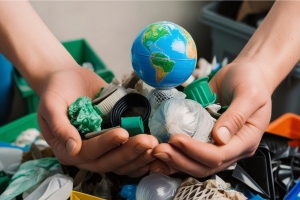
Before changing products or buying new bins, take a closer look at what your business is actually throwing away.
A basic waste audit does not have to be complicated. Review the waste produced in different areas of your workplace over several typical operating days.
Look for common waste streams such as:
- General rubbish
- Paper and cardboard
- Food scraps and organic waste
- Bottles, cans and recyclable containers
- Packaging
- Soft plastics
- Hygiene waste
- Warehouse or manufacturing waste
You may discover, for example, that an office general-waste bin contains mostly paper or that a hospitality kitchen is placing significant quantities of food scraps into general rubbish.
Once you understand where the waste comes from, it becomes easier to decide where bins should be positioned, which waste streams should be separated and what type of liner each bin actually requires.
2. Make Waste Sorting Easy for Staff
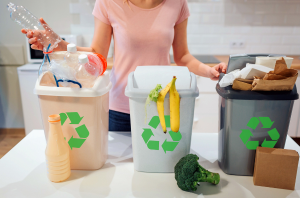
A recycling programme is only effective if people can quickly understand where something belongs.
Complicated waste stations can create hesitation and contamination. Instead, make the correct choice as obvious as possible.
Use:
- Clearly labelled bins
- Consistent colours for different waste streams
- Simple signs showing common examples
- Recycling and general-waste bins positioned beside each other
- Dedicated organic waste bins where food waste is generated
Colour-coded liners can also make different waste streams easier to identify during collection and handling.
Insinc recommends separating workplace waste into general, recyclable and organic categories where appropriate, supported by clear labels, colour coding and staff education.
Put Bins Where Waste Is Actually Generated
Bin placement is just as important as labelling.
- In an office, paper recycling might be most useful near printers and workstations.
- In hospitality, food-waste containers need to be accessible in preparation and clearing areas.
- In warehouses, packaging and general-waste stations may need to be positioned near unpacking or dispatch areas.
When the correct bin is inconvenient to reach, people are much more likely to use whatever bin is closest.
When the correct bin is inconvenient to reach, people are much more likely to use whatever bin is closest. This is why thoughtful bin placement is so important in any workplace waste system. In fact, understanding where recycling bins should be positioned can make a significant difference to participation rates and contamination levels. For a deeper look at this, see our article: Where Should You Put Recycling Bins in the Office for Maximum Use?
3. Stop Using the Same Rubbish Bag for Every Bin
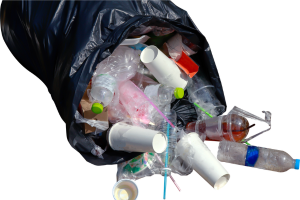
One surprisingly common source of unnecessary commercial waste costs is using one type of rubbish bag across an entire site.
Different bins perform very different jobs.
A bathroom bin containing paper towels does not require the same strength of liner as a commercial kitchen bin containing wet or heavy waste.
Likewise, a warehouse handling sharp packaging materials may require significantly more puncture resistance than an office desk bin.
Matching the liner to the waste reduces the risk of both over-specifying and under-specifying your rubbish bags.
Insinc's rubbish bag guidance recommends considering the waste type, bin size and expected weight before selecting a liner. Using unnecessarily heavy bags for light waste can increase costs, while bags that are too thin can tear and cause spills.
Light and Dry Waste
Office paper, bathroom paper towels and similar lightweight waste generally require less heavy-duty liners.
Wet or Heavy Waste
Kitchen, hospitality and some industrial waste may require stronger bags capable of handling additional weight and moisture.
Sharp or Irregular Waste
Warehouse, maintenance and manufacturing environments may require thicker, more puncture-resistant rubbish bags.
Choosing based on the actual waste stream rather than simply purchasing the strongest available bag can help reduce unnecessary material use and purchasing costs.
For a practical, step-by-step approach to improving workplace systems, see Workplace Recycling Made Simple: A Step-by-Step Setup Guide, which explains how to set up effective bin stations, improve signage, and train staff to achieve better recycling outcomes across the workplace.
4. Make Sure Your Bin Liners Are the Right Size
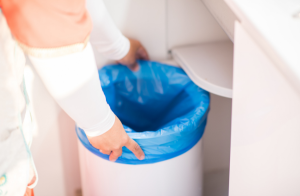
A liner that is much larger than the bin uses more material than necessary every time the bag is replaced.
Multiply that across dozens of bins and hundreds or thousands of annual bag changes, and a relatively small sizing mistake becomes a recurring expense.
On the other hand, liners that are too small can:
- Slip into the bin
- Tear around the rim
- Be difficult to tie
- Cause spills
- Require staff to use a second bag
For most bins, the liner needs enough material to fit securely and provide sufficient overhang for easy removal and tying — without leaving large amounts of unnecessary plastic hanging around the bin.
Insinc's bin liner guide recommends measuring the bin rather than relying solely on its advertised litre capacity when determining the correct bag dimensions.
Related guide: How to Choose the Right Size Rubbish Bag for Your Bin
5. Consider Whether Every Bin Actually Needs a Liner
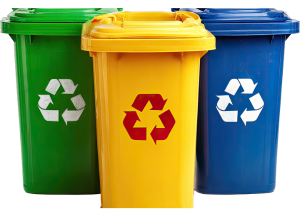
Another useful question is surprisingly simple:
Does this bin need a bag at all?
Some dry recycling or paper-only bins may be suitable for use without a disposable liner, depending on your workplace procedures and collection system.
Removing unnecessary liners from suitable waste streams can reduce both purchasing costs and the quantity of material your business consumes.
However, liners remain important where they are required for hygiene, moisture control, contamination prevention or convenient waste handling.
Rather than eliminating liners everywhere, the aim should be to use them where they provide a genuine operational benefit.
6. Use Compostable Liners for the Right Waste Streams
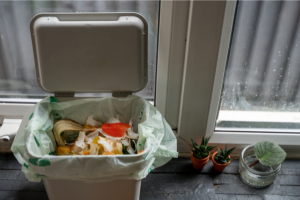
Compostable bin liners can be useful for businesses collecting organic waste, particularly where the waste will actually enter an appropriate composting system.
However, simply changing from conventional plastic to a compostable bag does not automatically make a waste system sustainable.
The disposal pathway matters.
Compostable liners are intended to break down under specific composting conditions and should not be placed into normal soft-plastic recycling streams.
Before adopting compostable liners, check:
- What type of waste will go into the liner?
- Where will that waste be collected?
- Does your waste contractor accept compostable liners?
- Is the product suitable for the intended composting system?
- Will staff understand which bin it belongs in?
Used correctly, compostable liners can support an organics collection programme. Used incorrectly, they can simply become another form of general waste.
7. Avoid Overfilling Commercial Bins
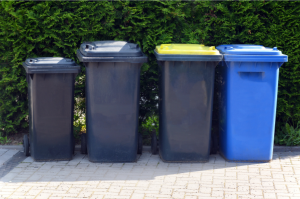
Trying to squeeze more waste into every bag may look efficient, but overfilling often creates the opposite result.
An overloaded liner is more likely to:
- Tear during removal
- Leak
- Become difficult or unsafe to lift
- Spill waste onto floors
- Require additional cleaning
- Need a second bag
Set reasonable fill levels based on the type and weight of waste rather than waiting until every bag is physically full.
For light paper waste, volume may be the main consideration. For wet or dense waste, weight may become the limiting factor long before the liner reaches the top.
8. Reduce Waste Before It Reaches the Bin
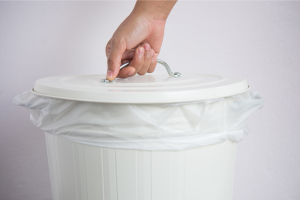
Better rubbish bags can improve waste handling, but one of the most effective ways to improve a commercial waste system is to reduce how much enters it.
Look upstream at purchasing and day-to-day operations.
Businesses may be able to reduce waste by:
- Buying frequently used products in larger commercial formats
- Choosing products with less unnecessary packaging
- Using refillable or concentrated cleaning products where practical
- Reusing suitable cartons and packaging materials
- Replacing appropriate single-use products with reusable alternatives
- Improving stock rotation to reduce expired products
- Reviewing unnecessary disposable supplies
This reflects the broader principle behind New Zealand's waste reduction approach: avoiding and reducing waste should happen before considering how that waste will eventually be disposed of.
9. Consolidate Commercial Supplies Where Practical

Waste management products are rarely purchased in isolation.
Businesses also need cleaning chemicals, paper products, gloves, hygiene supplies, food packaging, dispensers and other consumables.
Using a supplier, like Insinc, with a broad commercial range can help streamline purchasing and reduce the amount of time spent managing multiple product sources.
It can also make it easier to review whether more suitable alternatives are available when existing products no longer meet the needs of the business.
10. Review Your Waste System Regularly
Commercial waste requirements change.
Your business might grow, move premises, introduce new products or change cleaning and food-service processes.
A rubbish bag that was suitable two years ago may no longer be the best choice.
Periodically review:
- Which liners are being purchased
- How quickly they are being used
- Whether liners regularly tear or leak
- Whether bins are routinely overfilled or emptied half-full
- Where recycling contamination occurs
- Whether bin sizes still suit each area
- Which products generate the most waste
- Whether different waste streams could be separated
Even a simple annual review can uncover small inefficiencies that have gradually become standard practice.
A More Efficient Waste System Starts With Better Everyday Choices
Improving commercial waste management does not always require an expensive new waste system.
Often, the biggest gains come from improving everyday decisions:
- Use the right bin.
- Use the right liner.
- Put it in the right location.
- Separate the right waste.
- Avoid unnecessary materials in the first place.
For New Zealand businesses managing hundreds or thousands of rubbish bag changes throughout the year, these small improvements can add up.
The result can be a cleaner workplace, simpler waste handling, fewer unnecessary consumables and a more practical approach to waste reduction.
Why Choose Insinc for Commercial Waste and Cleaning Supplies?
Insinc supplies a wide range of commercial rubbish bags and bin liners, cleaning products, hygiene supplies, food packaging, warehouse supplies and other workplace consumables for New Zealand organisations.
Rather than treating every workplace the same, businesses can choose products based on their actual waste type, bin size, operating environment and sustainability requirements.
Whether you need general-purpose rubbish bags, heavy-duty liners, wheelie bin liners, office bin liners or compostable alternatives, having the right product for each application can make commercial waste handling simpler and more cost-effective.
Insinc also stocks a broad selection of eco-friendly and sustainable cleaning, hygiene and food-packaging products, allowing businesses to source multiple workplace essentials from one supplier.
Ready to Improve Your Commercial Waste Setup?
Find rubbish bags and bin liners for offices, hospitality businesses, warehouses, facilities, schools and other commercial environments across New Zealand.
BROWSE RUBBISH BAGS & BIN LINERS
Need help choosing the right liner? Contact Insinc on 0508 467 462 to discuss the most suitable option for your workplace.
Frequently Asked Questions About Commercial Waste Management
What is commercial waste management?
Commercial waste management is the process a business uses to reduce, separate, store, handle and dispose of the waste generated through its operations. This can include general rubbish, recycling, food waste, packaging, hygiene waste and industry-specific waste streams.
How can businesses reduce waste management costs?
Start by identifying what waste your business produces. Then review bin locations, collection frequency, recycling separation and rubbish bag usage. Using correctly sized liners with the appropriate thickness can also prevent businesses from paying for unnecessarily large or heavy-duty bags.
What rubbish bags are best for commercial use?
The best bag depends on what is being thrown away. Light office waste may only require a lightweight liner, while wet, heavy or sharp waste generally requires a stronger bag. The correct size and thickness are more important than simply choosing the heaviest rubbish bag available.
Are compostable bin liners better for businesses?
They can be a good option when used for an appropriate organic waste stream that will enter a suitable composting system. They should not automatically replace every rubbish bag in a workplace. Always check how the waste will ultimately be collected and processed.
How can businesses improve recycling in the workplace?
Keep the system simple. Position recycling bins where recyclable materials are generated, use clear labels and consistent colours, provide examples of accepted materials and educate staff on the correct waste streams.
How often should a business review its waste management system?
A formal schedule depends on the size and complexity of the organisation, but businesses should review their system whenever operations change and periodically check waste volumes, liner usage, contamination, bin placement and collection requirements.
Where can I buy commercial rubbish bags and bin liners in New Zealand?
Insinc supplies rubbish bags and bin liners for a range of commercial applications in New Zealand, including office liners, refuse bags, wheelie bin liners and compostable options.