Do Compostable Deli Containers Actually Break Down? The Truth for NZ Businesses
Compostable deli containers sound like the perfect eco-swap for food businesses — but do they truly break down in real-world conditions? In New Zealand, where composting infrastructure varies by region, the answer isn’t always black and white.
This blog demystifies compostable packaging claims, explains the types of composting available in NZ, and helps business owners make informed decisions that actually reduce environmental impact.
What Does It Mean for Packaging to Break Down?
For a container to be considered truly "compostable," it must:
-
Break down completely and safely into non-toxic organic matter
-
Do so within a set time frame (e.g. 90 days in commercial composting)
-
Leave no harmful residue behind
Materials like PLA (a plant-based bioplastic) and bagasse (sugarcane pulp) can meet these standards — but only under the right composting conditions.
Types of Composting in NZ: Commercial vs Home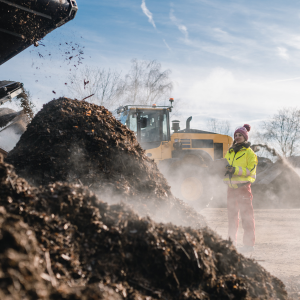
Commercial Composting (Industrial)
-
High heat (55–65°C), moisture, and aeration
-
Speeds up decomposition of tougher materials like PLA
-
Requires special facilities
-
Available in select regions of NZ (e.g. Auckland, Wellington, Christchurch)
Home Composting
-
Lower temperatures and slower breakdown
-
Suitable only for packaging certified for home composting (e.g. AS 5810)
-
Most commercial-grade compostables (like PLA containers) won't break down here
Bottom Line: Most compostable deli containers require commercial composting, not backyard bins.
A 2022 study published in Science of The Total Environment found that many compostable plastics fail to decompose fully when placed in home composting systems. The findings underscore the importance of understanding the specific conditions required for compostable materials to break down effectively — particularly temperature, moisture, and microbial activity. This reinforces the need for access to commercial composting, where such conditions can be consistently maintained.
Certification Matters: What to Look For

Always choose products certified by trusted standards:
-
AS 4736 (commercial composting)
-
AS 5810 (home composting)
-
EN 13432 / ASTM D6400 (international standards)
These certifications ensure the product breaks down fully, within accepted timeframes, and without harming the soil.
Look for logos from:
-
ABA (Australasian Bioplastics Association)
-
TÜV Austria
-
BPI (Biodegradable Products Institute)
For a deeper understanding of compostable certifications and what makes packaging truly compostable in New Zealand, check out our full guide: What Makes Packaging Compostable in New Zealand? A Simple Guide for Businesses. This article breaks down compostability standards, materials, and how to stay compliant with NZ regulations.
Challenges for NZ Businesses
Even if you're using certified compostable containers, they won't break down in landfill. And many regions in NZ lack access to commercial composting.
This means:
-
Compostables in general waste = same outcome as plastic
-
Businesses need to plan for proper disposal (e.g. compost collection, waste contractor partnerships)
-
Clear customer education is vital (e.g. bin signage, composting info)
What You Can Do as a Business
-
Work with composting collection providers in your region
-
Use only certified compostables — no greenwashing
-
Educate staff and customers on what to compost and where
-
Choose local suppliers like Insinc, who vet all compostable packaging and understand the unique challenges NZ businesses face when it comes to compostable waste.
For a real-world look at how this shift is playing out, read our blog: Why More Kiwi Cafes Are Switching to Compostable Deli Containers. It explores the motivations behind the movement and highlights the growing demand from eco-conscious customers across Aotearoa.
Learn More
-
What Makes Packaging Compostable in New Zealand? A Simple Guide for Businesses
-
Distinguishing Between Degradable, Biodegradable & Compostable Plastic
Final Thoughts
Yes — compostable deli containers can break down. But only when used, certified, and disposed of correctly. For New Zealand food businesses, that means knowing what you’re buying and ensuring there’s a plan for proper composting.
At Insinc Products, we supply certified compostable packaging and help businesses find the right solution for their region. Talk to us today about the best compostable options for your business.
FAQ
Q: Will compostable containers break down in landfill?
No. They need oxygen, heat and microbial activity — conditions not present in landfill.
Q: Are compostable containers better than recyclable plastic?
They can be — especially if disposed of correctly. Compostables help reduce fossil fuel use and support food waste recovery.
Q: How can I find out if my area has commercial composting?
Check with your local council or waste contractor. Some regions offer organics collection from businesses.
Q: Where can I buy certified compostable deli containers in NZ?
From Insinc Products — we offer a full range of certified, food-safe compostable packaging tailored to New Zealand businesses.
https://www.insinc.co.nz/deli-containers-salad-bowls-portion-cups.html