What Makes Packaging Compostable in New Zealand? A Simple Guide for Businesses
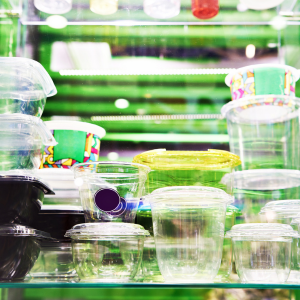
Compostable packaging is growing in popularity across Aotearoa, but not all "eco" packaging is created equal. As more New Zealand businesses aim to reduce waste and align with environmental regulations, understanding what truly makes packaging compostable is essential. This guide will help your business cut through the confusion, choose the right materials, and stay compliant with New Zealand's compostability standards.
What Does 'Compostable' Actually Mean?
Compostable packaging is designed to break down into nutrient-rich organic matter under composting conditions, leaving no toxic residue behind. However, compostability depends on:
-
The material (e.g. PLA bioplastic, bagasse pulp)
-
The conditions (e.g. commercial vs home composting)
-
The certification (ensuring it meets recognised standards)
To be classified as compostable in NZ, packaging must meet specific requirements around decomposition time, safety, and the absence of harmful residues.
New Zealand's Position on Compostable Packaging
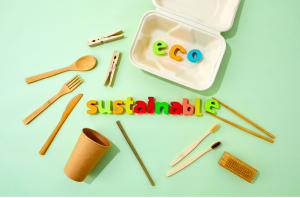
The Ministry for the Environment has released a position statement outlining how compostables fit into New Zealand’s waste minimisation strategy. While compostables are not a complete solution, they can support circular economy goals when used appropriately.
Businesses must be cautious: not all "biodegradable" or "green" packaging is compostable. It's critical to verify certifications and educate customers about correct disposal methods.
Key Certifications to Look For

Ensure any compostable packaging you use is certified to one of the following standards:
-
AS 4736 (Australia/NZ) – For commercial composting
-
AS 5810 – For home composting
-
EN 13432 (EU) – For industrial composting
-
ASTM D6400 (US) – For commercial composting
Look for logos from trusted certifying bodies such as:
-
ABA (Australasian Bioplastics Association)
-
TÜV Austria
-
BPI (Biodegradable Products Institute)
These ensure the product will break down within a set timeframe and without toxic residue.
To better understand the distinctions between compostable, biodegradable, and degradable materials, take a look at our article: Distinguishing Between Degradable, Biodegradable & Compostable Plastic. This guide breaks down the common misconceptions and helps businesses make more informed decisions when choosing sustainable packaging.
Best Practices for Businesses Using Compostable Packaging
1. Choose the Right Packaging for Your Products
Cold, hot, wet, or oily foods may require different compostable materials.
2. Label Clearly and Educate Customers
Use packaging with clear compostable logos and add signage to guide proper disposal.
3. Plan for Disposal Options
Work with local commercial composting services if available. If not, provide guidance for customers using home compost systems or council green bins.
4. Avoid Greenwashing
Never market packaging as compostable unless it’s certified. Misleading claims can damage trust and breach consumer laws.
Link Up with a Reliable Supplier
At Insinc Products, we vet all compostable products to meet New Zealand’s standards. From deli containers to takeaway trays, we help businesses across the country make environmentally responsible choices.
If you're ready to offer packaging that's truly compostable, check out our certified range online or get in touch for tailored recommendations.
Related Reading
-
Why More Kiwi Cafes Are Switching to Compostable Deli Containers
-
From Plastic to Plant-Based: How to Make the Switch to Compostable Deli Packaging
Final Thoughts
In New Zealand, the term "compostable" comes with clear standards and responsibilities. By understanding what makes packaging truly compostable and working with trusted suppliers like Insinc, your business can reduce waste, impress eco-conscious customers, and stay ahead of regulatory changes.
Make the switch to packaging that protects both your brand and the planet.
FAQ
Q: What's the difference between biodegradable and compostable?
Biodegradable means a material can break down, but the timeline and residues are unclear. Compostable means it breaks down within a set period and leaves no toxic residue.
Q: Can I put compostable packaging in my home compost?
Only if it's certified for home composting (e.g. AS 5810). Many compostable products need the higher heat of commercial composting.
Q: What if composting isn't available in my area?
Even if industrial composting isn't available, compostables are still preferable to plastic. Guide customers to the best available disposal method.
Q: Where can I buy certified compostable packaging in NZ?
Right here at Insinc Products. We stock a wide range of verified compostable food packaging for commercial use.
https://www.insinc.co.nz/deli-containers-salad-bowls-portion-cups.html
Posted: Friday 5 December 2025