Why More Kiwi Cafes Are Switching to Compostable Deli Containers
Cafés and take‑away outlets across Aotearoa are embracing compostable deli containers — and the shift is more than just a trend. From environmental responsibility to meeting customer expectations, there are compelling reasons why eco‑conscious food businesses are trading fossil‑plastic packaging for compostable solutions.
In this article we explore the key drivers behind this change — and why now might be the perfect time for your café or food business to follow suit.
The Environmental Case: Reducing Waste & Carbon Footprint
Single‑use plastics are increasingly unsustainable
Traditional plastic deli containers, often made from fossil-based polymers, contribute to long-lasting waste streams and pollution. Over time, plastic waste accumulates in landfills, waterways, and oceans, with significant long-term environmental impact.
Compostable packaging helps close the loop
Biodegradable and compostable deli containers — often made from plant-based materials like bioplastics — can break down under appropriate composting conditions, turning into compost (soil‑friendly organic matter), rather than lingering as persistent plastic waste.
Using compostable packaging reduces reliance on finite fossil resources and supports a circular economy approach: packaging that returns to the earth instead of piling up in landfills.
Read more: From Plastic to Plant-Based: How to Make the Switch to Compostable Deli Packaging
According to a 2024 report from Market Research Future, the global compostable foodservice packaging market is projected to grow from USD 3.68 billion in 2024 to USD 8.80 billion by 2034. This growth is driven by increased consumer demand for sustainable alternatives and stricter environmental regulations worldwide. In New Zealand, this aligns with the Ministry for the Environment’s phasing out of hard-to-recycle plastics — further incentivising cafés to embrace plant-based deli packaging as a future-proof solution.
Lower carbon footprint & production impact
Many compostable packaging solutions (e.g. bioplastics) require less energy to produce and emit fewer greenhouse gases than conventional plastics — meaning switching packaging materials can reduce a business’s overall environmental footprint.
Meeting Customer & Market Expectations: Eco-Conscious Consumers
Growing consumer demand for sustainable practices
Kiwi customers — like many around the world — are becoming more environmentally aware. More people expect businesses to act sustainably, and visible eco‑friendly choices, such as compostable packaging, can influence customer perception and loyalty.
A visible “green” signal — packaging that tells a story
One appealing aspect of compostable deli containers is that they can be clearly labelled or designed to show they’re compostable. This visual cue helps customers instantly recognise that the business cares about sustainability. That transparency can strengthen brand identity and customer trust.
Learn more about compostable packaging standards in New Zealand: What Makes Packaging Compostable in New Zealand? A Simple Guide for Businesses
Business & Compliance Drivers: Practical Benefits for Cafes and Takeaways

Aligning with New Zealand’s move towards sustainable packaging
Within New Zealand, there is growing scrutiny on single-use plastics, and increasing demand for sustainable alternatives. The adoption of compostable packaging helps businesses stay ahead of regulations and consumer pressure for eco‑friendly practices.
Waste reduction & easier disposal (when composting systems exist)
For cafés that already separate food waste or have access to composting or organic-waste facilities, compostable deli containers can simplify waste management: packaging and food waste can go together. This reduces landfill load and supports more sustainable waste handling practices.
Competitive edge and brand differentiation
Cafés that make the switch to compostable containers can differentiate themselves from competitors. Being able to say “we use compostable, plant-based containers” gives a tangible sustainability advantage — a factor that increasingly guides consumer choice, especially among environmentally aware customers.
Trend Shift: Compostable Packaging Moving from Niche to Norm 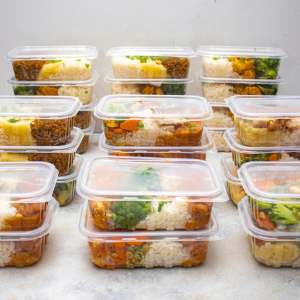
What used to be a niche eco‑friendly option for a few forward‑thinking businesses is fast becoming mainstream in the food and café industry. As more cafés adopt compostable deli containers, others feel the pressure to keep up — whether to stay relevant, meet customer expectations, or because waste‑management services shift toward compost‑compatible disposal.
Furthermore, the market for bioplastics and compostable packaging continues to improve — both in quality and economic viability — making them a more practical alternative to conventional plastics than ever before.
What This Means for Your Café — and How to Make the Switch
If you run a café, deli, or takeaway business in NZ, switching to compostable deli containers can provide environmental, financial and brand benefits. Here are some steps to ease the transition:
-
Choose certified compostable containers — look for containers made from plant-based bioplastics or compostable pulp, with clear certification and labeling.
-
Partner with a reliable supplier — sourcing from an ecommerce supplier like Insinc ensures you get consistent quality and bulk availability.
-
Communicate with customers — use signage or menu notes to highlight your compostable packaging, reinforcing your eco-conscious brand identity.
-
Ensure proper disposal / composting options — ideally work with a commercial composting facility or waste‑management provider who accepts compostable packaging.
-
Monitor cost vs benefit — while compostable containers can be slightly more expensive than traditional plastic, factor in the value of stronger brand loyalty, waste‑reduction savings, and regulatory compliance.
Conclusion — The Future Looks Compostable
More Kiwi cafés are switching to compostable deli containers because it makes sense on many levels: environmental responsibility, meeting customer expectations, waste reduction, and aligning with the broader shift away from single‑use plastics.
For food businesses seeking to combine practicality with sustainability, compostable packaging is no longer just a “nice to have” — it’s becoming essential.
If you’re ready to take the next step, browse our range of certified compostable deli containers and make the switch today.
FAQ
Q: What’s the difference between “biodegradable” and “compostable” containers?
“Biodegradable” simply means a material can break down over time under certain conditions. But “compostable” packaging meets defined standards: it breaks down into compost (soil‑friendly matter), without leaving harmful residues — under the right composting conditions.
Q: Can compostable containers be disposed of in any bin?
Not always. Many compostable plastics (e.g. PLA-based) require industrial composting facilities rather than basic home compost bins. If your business doesn’t have access to proper composting, they may not decompose as intended.
Q: Are compostable deli containers more expensive than regular plastic ones?
Yes — often slightly more. But the benefits (waste reduction, customer goodwill, compliance, brand value) can outweigh the extra cost, especially when buying in bulk from a supplier.
https://www.insinc.co.nz/deli-containers-salad-bowls-portion-cups.html