How to Train Childcare Staff on Cleaning Protocols (Complete NZ Guide)
Training childcare staff on proper cleaning protocols is one of the most important steps in maintaining a safe, compliant, and cost-effective early learning environment. Even the best cleaning products and schedules will fail if staff are not trained to use them correctly. In New Zealand, where hygiene standards are strict and expectations from parents are high, having a structured staff training system ensures your centre reduces illness outbreaks, meets compliance requirements, and operates efficiently. This guide outlines exactly how to train your team, what to include, and how to build a long-term culture of hygiene excellence.
Why Staff Training Is Critical in Childcare Cleaning
Many childcare centres focus heavily on cleaning schedules and products—but overlook the most important factor: the people actually doing the cleaning.
Without proper training, common issues include:
- Incorrect use of cleaning products
- Overuse or underuse of disinfectants
- Cross-contamination between areas
- Missed high-touch surfaces
- Inconsistent cleaning standards
This not only increases costs but also puts children’s health at risk.
As discussed in our article Why Hygiene in Childcare Centres Is Critical (And How to Prevent Illness Outbreaks), even small gaps in hygiene practices can lead to rapid illness spread in early learning environments. Staff training is the bridge between having systems in place and actually making them work.
Understanding Cleaning Protocols in Childcare Centres
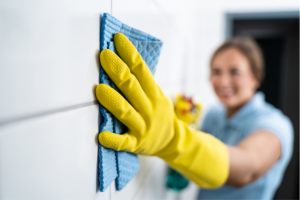
Before training staff, it’s important to clearly define what “cleaning protocols” actually include.
Key Components of Cleaning Protocols:
- Daily cleaning routines
- Disinfection procedures for high-touch surfaces
- Bathroom and nappy area hygiene
- Toy cleaning and sanitisation
- Waste management
- Safe product usage
These protocols must align with New Zealand childcare cleaning standards and be easy for staff to follow.
If you’re unsure whether your current processes meet expectations, refer to our guide: Childcare Cleaning Standards in New Zealand: Are You Meeting Requirements? for a full breakdown of compliance requirements.
The Risks of Poorly Trained Staff
Failing to properly train staff can lead to serious consequences:
Health Risks:
- Increased illness outbreaks
- Spread of viruses and bacteria
- Unsafe environments for children
Operational Risks:
- Higher cleaning costs due to inefficiency
- Increased staff sick leave
- Poor inspection outcomes
Reputational Risks:
- Loss of trust from parents
- Negative reviews
- Reduced enrolments
Training is not just a one-off task—it’s an essential part of running a successful childcare centre.
Step-by-Step Guide: How to Train Childcare Staff on Cleaning Protocols
Creating an effective training system doesn’t have to be complicated—but it does need to be structured.
Step 1: Develop Clear, Written Cleaning Procedures
Start by documenting all cleaning tasks in a clear and simple format.
Your procedures should include:
- What needs to be cleaned
- How to clean it
- Which products to use
- How often it should be done
This becomes your foundation for staff training.
Step 2: Standardise Your Cleaning Products
Using too many different products can confuse staff and lead to incorrect usage.
Instead, standardise your cleaning supplies:
- One multi-purpose cleaner for general surfaces
- One disinfectant for high-touch areas
- Specific products for bathrooms and kitchens
This makes training easier and reduces mistakes.
Step 3: Provide Hands-On Training
The most effective training happens through demonstration.
Show staff:
- How to correctly dilute products
- How to clean different surfaces
- How long disinfectants need to sit (contact time)
- How to avoid cross-contamination
Hands-on training ensures staff understand both the “how” and the “why”.
Step 4: Train on High-Risk Areas First
Focus on the areas that have the biggest impact on hygiene:
- Toys and shared equipment
- Tables and eating areas
- Bathrooms and nappy changing stations
- Door handles and high-touch surfaces
These areas should receive extra attention during training.
Step 5: Teach Proper Product Usage
Incorrect product use is one of the biggest causes of both hygiene issues and unnecessary costs.
Staff should understand:
- Correct dilution ratios
- When to use cleaning vs disinfecting
- How much product to apply
- Safe handling and storage
Proper usage improves both effectiveness and cost efficiency.
Step 6: Introduce Cleaning Checklists
Checklists help reinforce training and ensure consistency.
Each checklist should include:
- Daily tasks
- Timeframes
- Assigned responsibilities
- Sign-off sections
This creates accountability and makes it easier to monitor performance.
Step 7: Schedule Regular Refresher Training
Training should not be a one-time activity.
Plan regular refresher sessions to:
- Reinforce best practices
- Update staff on new procedures
- Address common mistakes
- Improve overall performance
Ongoing training ensures standards remain high.
How to Prevent Cross-Contamination
Cross-contamination is one of the biggest risks in childcare cleaning.
Best Practices:
- Use colour-coded cloths for different areas
- Clean from low-risk to high-risk areas
- Avoid using the same cloth in multiple areas
- Wash hands between tasks
Training staff on these practices is essential for maintaining hygiene.
Creating a Culture of Accountability
Training alone isn’t enough—you also need accountability.
How to Build Accountability:
- Assign clear cleaning responsibilities
- Use sign-off sheets
- Conduct regular checks
- Provide feedback to staff
When staff know they are accountable, they are more likely to follow procedures correctly.
Using the Right Products to Support Training
The easier your products are to use, the easier it is to train staff.
Look for:
- Clearly labelled products
- Simple dilution systems
- Multi-purpose solutions
- Eco-friendly, child-safe formulations
The right products reduce complexity and improve consistency.
How Insinc Supports Staff Training and Cleaning Efficiency
At Insinc, we understand that childcare centres need more than just products—they need systems that work.
We Help By:
- Providing easy-to-use cleaning products
- Offering bulk and cost-effective solutions
- Supporting consistent product usage across your team
- Helping simplify your cleaning processes
By using reliable products and systems, training becomes easier and more effective.
Common Training Mistakes to Avoid
Even with good intentions, many centres make mistakes when training staff.
Avoid These Pitfalls:
- Overloading staff with too much information at once
- Not providing hands-on training
- Failing to document procedures
- Skipping refresher training
- Using too many different products
Keeping training simple and structured leads to better results.
Measuring the Effectiveness of Your Training
To ensure your training is working, track key indicators:
- Cleaning consistency
- Product usage levels
- Staff feedback
- Illness rates within the centre
- Inspection outcomes
Regular monitoring helps you identify areas for improvement.
The Link Between Training, Cost Savings, and Compliance
Well-trained staff don’t just clean better—they also:
- Use less product
- Work more efficiently
- Reduce the need for re-cleaning
- Help maintain compliance
As highlighted in our blog How to Reduce Cleaning Costs in Childcare Centres Without Compromising Hygiene, training is one of the most effective ways to lower costs while improving outcomes.
FAQs: Training Childcare Staff on Cleaning Protocols
1. How often should staff be trained?
Initial training should be provided during onboarding, with refresher training every 3–6 months.
2. What is the most important part of cleaning training?
Understanding proper product usage and preventing cross-contamination are the most critical areas.
3. How can I ensure staff follow cleaning protocols?
Use checklists, assign responsibilities, and conduct regular checks.
4. What products should staff be trained on?
Staff should be trained on disinfectants, multi-purpose cleaners, and any specialised products used in your centre.
5. Does training really reduce cleaning costs?
Yes. Proper training reduces product waste, improves efficiency, and prevents costly mistakes.
Conclusion
Training childcare staff on cleaning protocols is essential for maintaining high hygiene standards, reducing costs, and ensuring compliance. By implementing structured training systems, using the right products, and reinforcing best practices, centres can create safer and more efficient environments for children and staff.
Simplify Staff Training with Insinc
Looking to make staff training easier and more effective?
Insinc provides reliable, easy-to-use cleaning solutions that help childcare centres maintain high standards while reducing complexity and costs.