
Insinc Insights
-
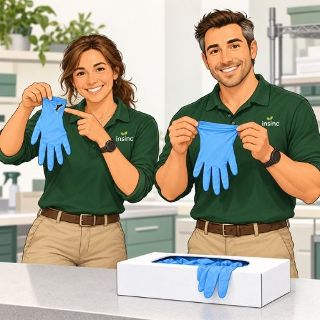 A torn glove does not always mean you need a thicker one. Alex & Alex explain how to investigate glove fit, handling, storage and task suitability, helping NZ workplaces reduce avoidable failures without compromising protection.Posted: Friday 2 October 2026
 -
 Still seeing smears after cleaning? Alex & Alex explain how to check cloths, cleaner dose, drying conditions and equipment, then trial a repeatable routine for windows and mirrors in NZ workplaces.Posted: Friday 2 October 2026
 -
 Learn how to compare cleaning products using cost per diluted litre and per completed job, with worked examples and practical ways to measure waste, dosing and labour.Posted: Friday 25 September 2026
 -
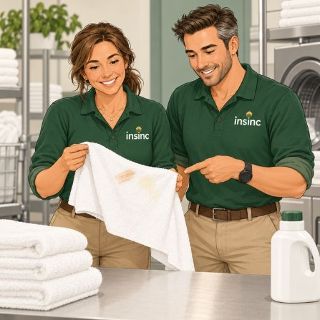 A practical guide to identifying and treating makeup and sunscreen stains on hotel towels, with advice on pretreatment, washing, product selection and housekeeping routines.Posted: Friday 25 September 2026
 -
 Not sure which paper towel fits your dispenser or workplace? Alex & Alex explain what to measure, how the different towel formats compare, and what to check before you order.Posted: Thursday 24 September 2026
 -
 A rack of wine glasses comes out of the machine looking fine. Once they dry, a pale haze appears across the bowls. Someone reaches for a polishing cloth, service starts, and the same problem returns with the next rack.
Cloudy wine glasses after washing can have several causes: mineral deposits, chemical residue, poor washing or permanent damage to the glass. Working out whichPosted: Friday 18 September 2026 -
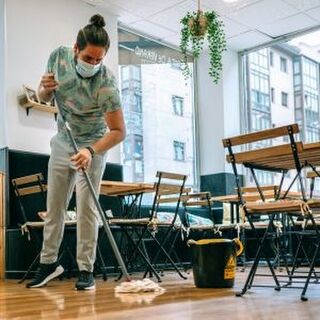 The chairs are up, the coffee machine is clean and the floor has been mopped. By the next morning, the kitchen still feels greasy underfoot. Near the counter, shoes leave marks across a sticky patch that seemed clean the night before.
When café floors stay greasy after mopping, check the cleaning process before adding more chemical. The cleaner may not suit the soil, the dose may be wrong, or the mop may be spreading dirty solution instead of removing it. Sometimes the floor is being contaminated again after cleaning.Posted: Friday 18 September 2026 -
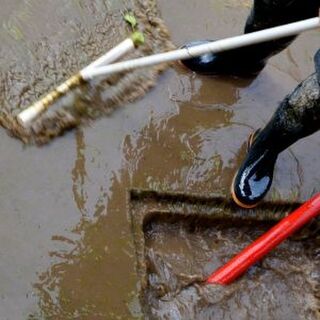 A practical poultry footwear guide covering entry station setup, cleaning, label-directed disinfection, footbath maintenance and dedicated boots.Posted: Thursday 17 September 2026
 -
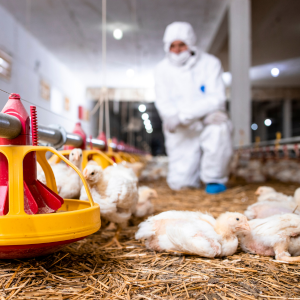 A practical guide to evaluating disinfectant claims, checking application requirements and choosing products that fit a poultry farm’s biosecurity procedures.Posted: Friday 11 September 2026
 -
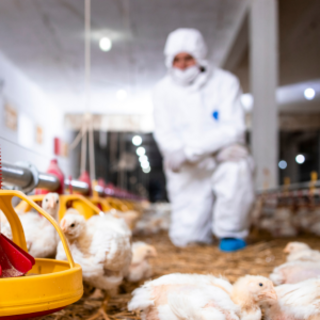 Effective poultry farm disinfection starts with thorough cleaning. Manure, litter, feathers, dust, grease and other organic material can reduce the effectiveness of many disinfectants if they remain on surfaces. This guide explains why New Zealand poultry farms should clean before disinfecting, which areas deserve particular attention, how to build a practical cleaning sequence, and how good everyday hygiene supports stronger bird flu biosecurity.Posted: Friday 4 September 2026
 -
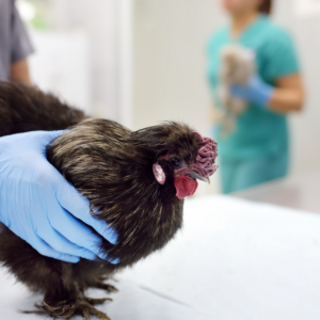 Good biosecurity is one of the most practical ways poultry owners can reduce the risk of disease entering and spreading through their flock. Simple measures such as keeping sheds and equipment clean, controlling visitors, washing hands, changing footwear, wearing appropriate gloves, managing waste carefully and cleaning equipment before it moves between bird areas can all support a stronger biosecurity programme.Posted: Friday 4 September 2026
 -
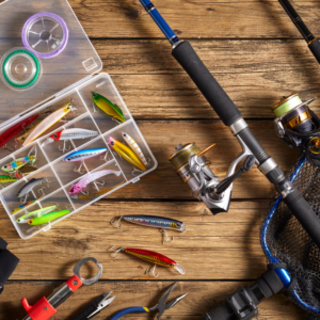 Yes, fishing equipment can help spread Didymo and other freshwater pests between New Zealand waterways. Waders, boots, landing nets, fishing lines, lures, ropes and other gear can retain water or tiny fragments of biological material even when they look clean. Learn which fishing equipment deserves the most attention, how New Zealand's Check Clean Dry method works, and how to build a safer cleaning routine between fishing trips.Posted: Friday 28 August 2026
 -
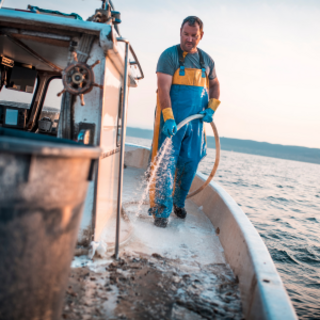 Enzyme cleaners use naturally derived enzymes to help break down organic dirt such as grease, oils, food residues and other grime. However, there is an important distinction:
Routine cleaning with an enzyme cleaner is not necessarily the same as biosecurity decontamination.
When moving boats or fishing equipment between New Zealand waterways, always follow the Ministry for Primary Industries' Check Clean Dry requirements and any local Controlled Area Notice rules.Posted: Friday 28 August 2026 -
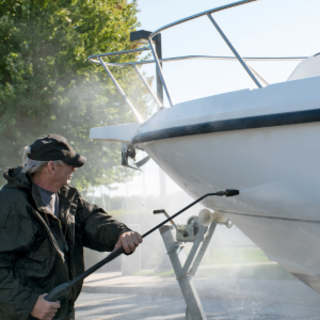 Moving your boat from one New Zealand lake or river to another? Follow this practical boat biosecurity checklist to help prevent freshwater weeds, pests and algae from hitching a ride. Learn how to Check, Clean and Dry your boat, trailer, anchor, ropes, bilge and onboard equipment—and where Bio-Zyme can fit into your regular boat-cleaning routine.Posted: Friday 21 August 2026
 -
 Learn how to use New Zealand’s Check, Clean, Dry method to help prevent Didymo and other freshwater pests from spreading between waterways. This guide covers cleaning boats, fishing rods, nets, waders, boots, anchors, ropes and other equipment, along with practical drying advice and how Bio-Zyme can support routine boat and gear cleaning.Posted: Friday 21 August 2026