
Why Use Different Coloured Microfibre Cloths in Your Cleaning Routine?
Using different coloured microfibre cloths might seem like a small detail, but in the world of commercial cleaning, it makes a big difference. Colour-coding your cleaning cloths helps prevent cross-contamination, ensures higher hygiene standards, and streamlines your cleaning process. Whether you're managing an office, school, hospital, or hospitality venue in New Zealand, having a structured cleaning system is essential for health and safety compliance.
The Benefits of Colour-Coded Microfibre Cloths
1. Prevents Cross-Contamination
One of the main reasons professionals use different coloured microfibre cloths is to avoid spreading bacteria from one area to another. For example, using the same cloth for cleaning toilet bowls and kitchen counters can lead to dangerous hygiene risks. Assigning specific colours to specific areas reduces this risk significantly.
Example:
-
Red: Toilets and urinals
-
Yellow: Bathroom sinks and mirrors
-
Blue: General low-risk areas like desks and common areas
-
Green: Kitchen and food preparation areas
2. Improves Cleaning Efficiency and Staff Training

Colour-coding makes it easier to train staff, especially in busy commercial environments. With a clearly defined system, there's less confusion about which cloth to use where. This saves time, reduces mistakes, and ensures a consistent level of cleanliness across all spaces.
Studies and professional cleaning guidelines support this practice. Research on colour-coding in healthcare environments shows that it significantly reduces confusion among cleaning staff and improves training efficiency. For example, a study published on ResearchGate highlights that colour-coded tools are an effective method for preventing cross-contamination in hospitals — a principle that easily translates into other commercial settings.
Additionally, cleaning industry experts state that colour-coding simplifies operations and helps maintain consistent cleaning standards. Official recommendations, such as those from the CDC, also support using colour-coded cloths for maintaining hygiene.
3. Supports Workplace Hygiene Standards

New Zealand workplaces are held to strict hygiene and safety standards, particularly in sectors like healthcare, education, and hospitality. Using a colour-coded cleaning system demonstrates a proactive approach to meeting these standards, which is beneficial for audits and inspections.
To further understand how microfibre cloths work on a microscopic level, check out our related article: How Do Microfibre Cloths Actually Clean? The Science Behind the Fibres. This deep dive into the technology behind the fibres helps explain why microfibre is so effective at trapping dirt, bacteria, and moisture compared to traditional cloths.
4. Cost-Effective Long-Term Cleaning Strategy
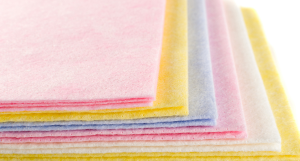
Microfibre cloths are designed to be durable and reusable. When paired with a colour-coded system, it helps businesses maintain longer-lasting cloths by assigning them to specific tasks, reducing unnecessary wear and tear.
5. Aligns with Health and Safety Protocols
Following a clear colour-coding system shows that your business prioritises safety and cleanliness. This boosts staff morale, enhances your business image, and builds customer trust.
How to Implement a Colour-Coding System
-
Create a Colour Chart: Design a simple reference chart and place it in cleaning supply areas.
-
Train Your Team: Include colour-coding in your cleaning protocols and induction training.
-
Use Labels and Signage: Use labels on shelves, buckets, and storage to match the cloth colours.
-
Regularly Replace Worn Cloths: Worn cloths lose effectiveness. Replace them as needed.
Why Buy from Insinc?
At Insinc, we provide high-quality, planet-friendly cleaning supplies tailored for New Zealand businesses. Our range of microfibre cloths includes colour-coded options that help you implement effective hygiene protocols with ease. With bulk buying options and fast nationwide delivery, Insinc is your trusted supplier for commercial cleaning supplies.
FAQs About Using Different Coloured Microfibre Cloths
What is the best way to remember which colour cloth to use where?
The best way is to follow a standard colour-coding system (e.g. red for toilets, green for kitchens). Creating a printed chart and displaying it near cleaning stations helps staff remember the correct use of each cloth. Many businesses laminate this chart for durability.
Can I wash coloured microfibre cloths together?
It's best to wash microfibre cloths of the same colour and use together to avoid cross-contamination. Use hot water (but not boiling) and avoid fabric softeners, which can reduce absorbency and cleaning effectiveness.
Are colour-coded cloths only necessary for large businesses?
Not at all. Even small businesses benefit from colour-coded cleaning. It simplifies cleaning routines and ensures everyone understands hygiene expectations, which is vital regardless of business size.
How often should I replace microfibre cloths?
This depends on usage frequency and washing methods. Typically, commercial microfibre cloths last for 100–500 washes. If they become thin, lose absorbency, or look worn, it's time to replace them.
Where can I buy colour-coded microfibre cloths in New Zealand?
You can buy high-quality, colour-coded microfibre cloths directly from Insinc Products. We supply eco-friendly and commercial-grade cloths for all types of NZ businesses.