
Why Bleach Isn't the Best Solution for Bad Smells (And What Works Better)
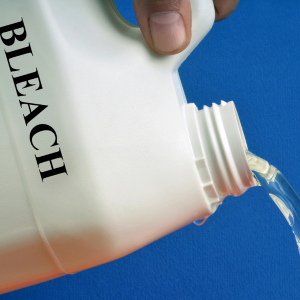
Bad smells are one of the biggest cleaning challenges in commercial environments. Whether it's a gym changing room, a commercial kitchen, a healthcare facility, a school bathroom, or a waste management area, unpleasant odours can create a poor first impression and negatively affect the experience of customers, staff, and visitors.
For many businesses, bleach is the first product they reach for. It has been used for decades as a disinfectant and cleaner, leading many people to assume it also removes odours.
The truth is, bleach often masks bad smells instead of eliminating them.
If you constantly battle lingering odours despite regular cleaning, understanding why bleach falls short—and what works better—can save time, reduce chemical use, and create healthier, fresher environments.
Why Do Bad Smells Keep Coming Back?
Before choosing the right cleaner, it's important to understand where unpleasant odours actually come from.
Most commercial odours aren't caused by the smell itself—they're caused by organic matter that bacteria are feeding on.
These can include:
- Sweat and body oils
- Food residue
- Grease build-up
- Urine and other bodily fluids
- Mould and mildew
- Organic waste
- Drain sludge
- Pet accidents
- Spilt milk or beverages
As bacteria break down these organic materials, they release gases that create unpleasant smells.
Unless the organic source is removed, the odour will continue to return.
Why Bleach Doesn't Solve the Root Problem
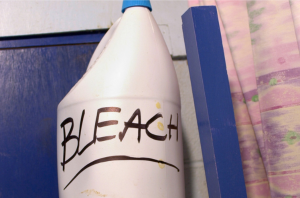
Bleach is an effective disinfectant when used correctly, but its purpose is often misunderstood.
Its primary job is to kill many bacteria, viruses, and fungi on hard surfaces. It is not designed to digest or remove organic waste, which is often the true source of persistent odours.
This creates several problems.
1. Bleach Often Masks Rather Than Removes Smells
The strong chlorine scent of bleach can temporarily overpower unpleasant odours.
Many people mistakenly assume the smell has disappeared because all they notice is the scent of bleach.
However, once the bleach smell fades, the original odour frequently returns because the underlying organic material remains.
2. Bleach Doesn't Break Down Organic Build-Up
Organic residues often hide in places like:
- Tile grout
- Floor drains
- Carpets
- Upholstery
- Rubber gym flooring
- Bin liners and bins
- Concrete surfaces
Bleach cannot penetrate deeply enough to remove these deposits.
Instead, bacteria simply return once conditions become favourable again.
3. Bleach Can Be Harsh on Some Surfaces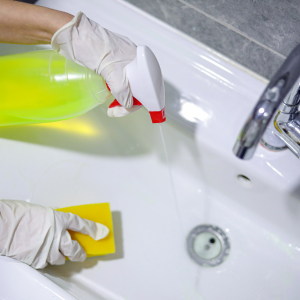
Frequent bleach use may contribute to:
- Surface discolouration
- Damage to fabrics
- Corrosion of some metals
- Degradation of rubber
- Fading of coloured surfaces
For businesses trying to extend the lifespan of expensive equipment or flooring, this can become an unnecessary cost.
4. Strong Chemical Odours Aren't Always Welcome
Many customers associate the smell of bleach with cleanliness.
Others associate it with:
- Hospitals
- Swimming pools
- Harsh chemicals
- Poor indoor air quality
Modern businesses increasingly prefer cleaning products that leave environments smelling naturally fresh without overwhelming chemical fragrances.
What Actually Eliminates Bad Smells?

The most effective long-term solution is to remove the source of the odour rather than simply covering it up.
This is where enzyme cleaners outperform traditional bleach.
Unlike bleach, enzyme cleaners work biologically.
Instead of attacking surfaces with harsh chemicals, they use naturally occurring enzymes to break down the organic material that bacteria feed on.
Once the food source disappears, the bacteria can no longer produce unpleasant smells.
The result is a deeper, longer-lasting clean.
How Enzyme Cleaners Work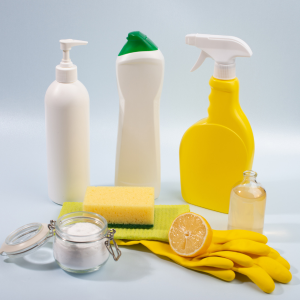
Enzymes are specialised proteins that speed up the breakdown of organic matter.
Different enzymes target different types of waste, including:
- Proteins
- Fats and oils
- Carbohydrates
- Starches
- Organic residues
After the enzymes break down these materials into smaller molecules, naturally occurring bacteria continue digesting them until they are removed completely.
This biological process tackles the odour at its source instead of simply masking it.
Where Enzyme Cleaners Perform Best
Enzyme cleaners are particularly effective in commercial environments where organic contamination is common.
1. Gyms and Fitness Centres
Sweat, body oils, damp towels, and rubber flooring create ideal conditions for odour-causing bacteria.
Enzyme cleaners help remove the build-up that traditional cleaners often leave behind.
2. Commercial Kitchens
Grease, food spills, drains, and waste bins can all harbour odour-producing bacteria.
Enzymes help break down grease and food residue more effectively than bleach alone.
3. Washrooms
Urine residue frequently accumulates around:
- Toilets
- Urinals
- Floor grout
- Walls
- Plumbing fixtures
Even after regular cleaning, small amounts of organic material remain.
Enzyme cleaners continue breaking down these residues, helping prevent recurring odours.
4. Waste Management Areas
Wheelie bins, rubbish chutes, and refuse storage areas often develop persistent smells.
Enzyme cleaners digest organic waste left behind after rubbish collection, significantly reducing odour.
5. Healthcare and Aged Care Facilities
Maintaining hygiene while controlling unpleasant odours is essential in healthcare settings.
Enzyme-based cleaning products help remove organic contamination while improving overall freshness.
Bleach vs Enzyme Cleaners
| Feature | Bleach | Enzyme Cleaner |
| Kills bacteria | ✔ | Helps reduce bacteria by removing food source |
| Removes organic waste | ✘ | ✔ |
| Eliminates odour source | ✘ | ✔ |
| Masks smells | Often | No |
| Long-lasting odour control | Limited | Excellent |
| Gentle on most surfaces | No | Generally yes |
| Suitable for ongoing maintenance | Limited | Excellent |
Can Bleach and Enzyme Cleaners Be Used Together?
Yes—but not at the same time.
Bleach is a strong oxidising chemical that can destroy the beneficial enzymes responsible for breaking down organic matter.
If both products are required:
- Complete bleach disinfection first.
- Rinse thoroughly if required by the product instructions.
- Allow the surface to dry.
- Apply the enzyme cleaner afterwards.
This ensures the enzymes remain active and effective.
Choosing the Right Odour Control Solution for Your Business
Every commercial environment has different cleaning requirements.
When selecting an odour-control product, consider:
- The type of organic contamination
- Frequency of cleaning
- Surface compatibility
- Safety requirements
- Environmental impact
- Long-term maintenance costs
For businesses dealing with recurring odours, enzyme cleaners often reduce the need for repeated chemical treatments because they address the underlying cause.
Why Many New Zealand Businesses Are Switching to Enzyme Cleaners
Across New Zealand, more businesses are adopting enzyme-based cleaning solutions because they provide:
- Longer-lasting odour control
- Reduced reliance on harsh chemicals
- Improved indoor environments
- Better cleaning of organic contamination
- Safer cleaning for many sensitive surfaces
- A more sustainable approach to facility maintenance
From gyms and restaurants to schools, healthcare facilities, offices, and industrial sites, enzyme cleaners are becoming a preferred solution for persistent odour problems.
Keep Your Workplace Fresher with Insinc's Bio Fresh Enzyme Cleaner
If unpleasant smells keep returning despite regular cleaning, the issue is likely deeper than surface dirt.
Instead of simply masking odours with bleach, Bio Enzyme Cleaner works by breaking down the organic matter responsible for bad smells, delivering a deeper clean and longer-lasting freshness.
At Insinc Products, we supply high-quality cleaning solutions trusted by businesses throughout New Zealand. Whether you're maintaining a gym, commercial kitchen, healthcare facility, school, or workplace, our enzyme cleaning products help tackle odours at their source.
Browse our range of Bio Enzyme Cleaners today and discover a smarter way to eliminate bad smells.
Frequently Asked Questions
Does bleach permanently remove bad smells?
No. Bleach disinfects many surfaces but often does not remove the organic material causing the odour. Once the bleach smell fades, the unpleasant smell may return if the source remains.
What is better than bleach for removing bad smells?
Enzyme cleaners are often more effective for persistent odours because they break down organic matter that causes smells instead of simply masking them.
Are enzyme cleaners safe for commercial use?
Yes. Commercial-grade enzyme cleaners are widely used in gyms, schools, healthcare facilities, offices, hospitality venues, and industrial workplaces. Always follow the manufacturer's usage instructions.
How long do enzyme cleaners take to work?
Many odours begin improving within hours, although heavy organic build-up may require repeated applications as the enzymes continue breaking down the residue.
Can I use bleach and enzyme cleaners together?
Not simultaneously. Bleach can deactivate enzymes. If both are needed, use bleach first, then apply the enzyme cleaner afterwards according to the product instructions.
https://www.insinc.co.nz/category/enzyme-based-cleaners.html
Posted: Friday 5 June 2026