
How to Create a Commercial Gym Cleaning Schedule That Actually Works
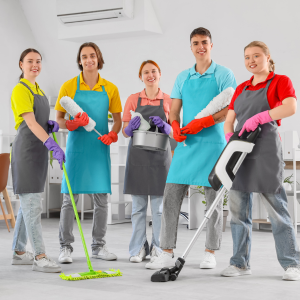
A spotless gym doesn't happen by accident—it happens through consistency.
Whether you manage a large commercial gym, boutique fitness studio, leisure centre, school gymnasium, or corporate fitness facility, having a structured gym cleaning schedule is one of the most effective ways to protect your members, extend the life of your equipment, and maintain your reputation.
Many facilities rely on staff cleaning "when they have time." Unfortunately, this often leads to missed areas, inconsistent standards, and a facility that feels dirty despite regular effort.
In this guide, you'll learn how to create a commercial gym cleaning schedule that actually works, including daily, weekly, and monthly cleaning tasks, staff responsibilities, and best practices for maintaining a hygienic fitness environment.
Why Every Commercial Gym Needs a Cleaning Schedule
Cleaning isn't simply about appearance.
A structured cleaning schedule helps:
- Reduce the spread of bacteria and viruses
- Maintain a healthier environment for members and staff
- Eliminate unpleasant odours
- Increase member confidence
- Protect expensive gym equipment
- Ensure accountability among staff
- Meet workplace health and safety expectations
When cleaning tasks are documented rather than remembered, nothing gets overlooked.
The Biggest Mistake Most Gyms Make
One of the most common mistakes is treating every surface the same.
Not every area requires the same cleaning frequency.
For example:
- Dumbbells may need disinfecting several times a day.
- Mirrors may only need daily cleaning.
- Air vents may only require monthly attention.
- Upholstery may require routine wiping but periodic deep cleaning.
Prioritising cleaning based on usage helps your team spend time where it matters most.
Step 1: Divide Your Gym into Cleaning Zones
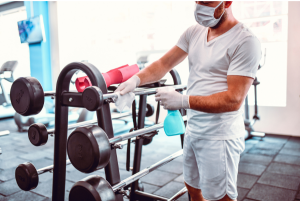
Instead of assigning random tasks, divide your facility into manageable zones.
Typical zones include:
- Reception
- Cardio equipment
- Strength training area
- Functional training zone
- Group fitness studios
- Free weights
- Stretching area
- Locker rooms
- Bathrooms
- Showers
- Staff rooms
- Offices
- Storage areas
Assigning staff to specific zones improves accountability and reduces missed tasks.
Step 2: Identify High-Touch Surfaces
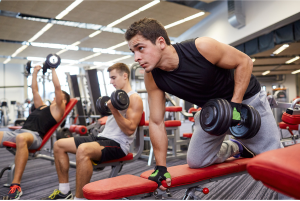
High-touch surfaces should be cleaned far more frequently than low-contact areas.
These include:
- Dumbbells
- Barbells
- Kettlebells
- Machine handles
- Touchscreens
- Adjustment levers
- Bench upholstery
- Door handles
- Drinking fountains
- Reception counters
- EFTPOS terminals
- Sign-in tablets
- Bathroom fixtures
- Locker handles
These surfaces should remain the highest priority throughout the day.
Step 3: Build a Daily Cleaning Schedule
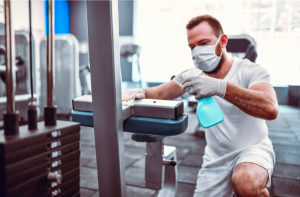
Daily cleaning forms the foundation of gym hygiene.
Opening Tasks
Before members arrive:
- Vacuum or mop floors
- Empty rubbish bins
- Clean mirrors
- Sanitise reception areas
- Refill soap dispensers
- Refill paper towels
- Check hand sanitiser stations
- Inspect bathrooms
- Inspect locker rooms
Starting the day with a clean facility creates a positive first impression. In our article, Best Disinfectant Wipes for Gyms and Fitness Centres, we explore the most effective products for maintaining hygiene in high-traffic fitness environments. From durability and antibacterial strength to ease of use and cost-efficiency, we break down what to look for when choosing the right wipes for your facility.
During Operating Hours
Busy gyms require continuous cleaning rather than waiting until closing time.
Throughout the day:
- Wipe gym equipment
- Empty overflowing bins
- Restock consumables
- Clean spills immediately
- Disinfect high-touch surfaces
- Clean drinking fountains
- Maintain bathroom hygiene
Many successful gyms schedule cleaning rounds every one to two hours.
Closing Tasks
After the gym closes:
- Deep clean equipment
- Mop all floors
- Clean bathrooms
- Disinfect showers
- Vacuum carpets
- Clean glass
- Empty all rubbish bins
- Lock away chemicals
- Prepare supplies for the following day
Closing tasks are the best opportunity for more thorough cleaning.
Step 4: Schedule Weekly Deep Cleaning
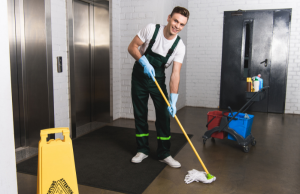
Some areas don't require attention every day but shouldn't be forgotten.
Weekly cleaning should include:
- Cleaning under equipment
- Dusting high shelves
- Wiping walls
- Cleaning skirting boards
- Washing windows
- Deep cleaning upholstery
- Descaling showers
- Cleaning drains
- Sanitising lockers
- Cleaning storage rooms
Weekly deep cleaning prevents gradual dirt build-up.
Even with a solid cleaning routine in place, some gyms still struggle with lingering odours that regular cleaning doesn't seem to fix. If you've ever wondered why your facility doesn't smell as fresh as it looks, it's worth exploring the underlying causes. Our article, Why Does My Gym Still Smell Bad After Cleaning?, breaks down the common reasons behind persistent gym odours and offers practical solutions to help you maintain a truly fresh and hygienic environment.
Step 5: Plan Monthly Maintenance Cleaning
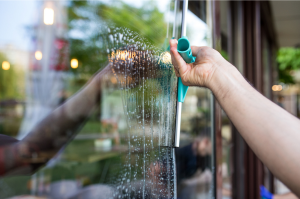
Monthly cleaning focuses on areas that affect long-term cleanliness and equipment performance.
Include tasks such as:
- Cleaning ceiling vents
- Dusting light fittings
- Cleaning fans
- Deep cleaning carpets
- Pressure washing outdoor entrances
- Removing built-up grime behind machines
- Inspecting mould-prone areas
- Cleaning air conditioning vents
- Checking chemical storage
These tasks help maintain a professional-looking facility throughout the year.
Create a Cleaning Checklist for Every Shift
Written checklists create consistency between staff members.
Each checklist should include:
- Area to be cleaned
- Cleaning task
- Product required
- Frequency
- Staff member responsible
- Time completed
- Supervisor sign-off (if applicable)
Digital or printed checklists help ensure every task is completed.
Train Staff on Proper Cleaning Procedures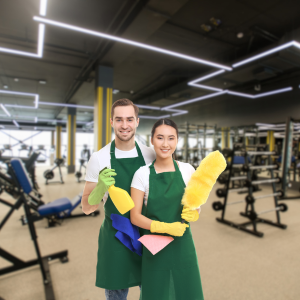
Even the best cleaning schedule won't work without proper training.
Staff should understand:
- The difference between cleaning and disinfecting
- Correct dilution rates
- Safe chemical handling
- Required disinfectant contact times
- Which products are suitable for different surfaces
- PPE requirements where applicable
Consistent procedures produce consistent results.
Don't Forget Member Participation
Staff can't maintain cleanliness alone.
Encourage members to help by:
- Providing disinfectant wipe stations
- Making spray bottles and paper towels easily accessible
- Displaying clear signage
- Offering hand sanitiser throughout the facility
- Politely reminding members to wipe equipment after use
Creating a culture of cleanliness benefits everyone.
Use the Right Cleaning Products
Different surfaces require different cleaning solutions.
Look for commercial cleaning products that:
- Kill germs effectively
- Remove sweat and body oils
- Dry quickly
- Leave minimal residue
- Are suitable for gym equipment
- Help control odours
- Are practical for frequent use
Using professional-grade products also helps protect expensive fitness equipment from premature wear.
Monitor and Improve Your Schedule
A cleaning schedule shouldn't remain static.
Review it regularly by asking:
- Which areas become dirty the fastest?
- Are members raising cleanliness concerns?
- Are there recurring odour problems?
- Are supplies running out too quickly?
- Are cleaning tasks realistic during peak hours?
Adjust your schedule based on member traffic, seasonal demand, and operational changes.
Continuous improvement leads to better hygiene standards.
Example Commercial Gym Cleaning Schedule
| Frequency | Tasks |
| Throughout the Day | Disinfect gym equipment, wipe high-touch surfaces, clean reception desk, empty bins as required, restock consumables |
| Daily | Vacuum, mop floors, clean bathrooms, disinfect showers, clean mirrors, inspect locker rooms |
| Weekly | Deep clean upholstery, sanitise lockers, clean beneath equipment, wash windows, clean drains |
| Monthly | Clean vents, deep clean carpets, inspect mould-prone areas, pressure wash entrances, audit cleaning supplies |
Every facility is different, so use this as a starting point and tailor it to your gym's size, member numbers, and operating hours.
Keep Your Gym Looking Its Best with the Right Cleaning Routine
Members notice more than spotless floors—they notice fresh-smelling locker rooms, sanitised equipment, clean bathrooms, and a facility that feels cared for.
An organised commercial gym cleaning schedule helps your team stay consistent, protects your investment in equipment, and creates a healthier environment for everyone who walks through your doors.
By combining a structured cleaning plan with quality commercial cleaning products, your gym can maintain high hygiene standards every day—not just after a deep clean.
Professional Cleaning Solutions for New Zealand Gyms
At Insinc, we supply professional cleaning products for gyms, fitness centres, recreation facilities, schools, and commercial businesses throughout New Zealand.
From disinfectants and surface cleaners to enzyme-based odour control products, paper hygiene supplies, and cleaning accessories, our range is designed to help facilities maintain exceptional hygiene standards.
Whether you're building your first cleaning schedule or improving an existing one, Insinc can help you choose the right cleaning solutions for your business.
Frequently Asked Questions
How often should commercial gym equipment be cleaned?
High-touch equipment should be disinfected multiple times throughout the day, particularly during busy periods. Benches, mats, and shared equipment should ideally be cleaned after every use.
What's the difference between routine cleaning and deep cleaning?
Routine cleaning removes everyday dirt, sweat, and debris. Deep cleaning targets areas that aren't cleaned daily, such as beneath equipment, air vents, drains, upholstery, and storage areas.
How do I make sure staff follow the cleaning schedule?
Use written or digital checklists, assign responsibility for specific cleaning zones, provide regular training, and conduct routine inspections to ensure tasks are completed consistently.
What cleaning products should gyms use?
Commercial gyms should use professional-grade cleaning products that disinfect effectively, remove sweat and body oils, control odours, dry quickly, and are safe for use on fitness equipment.
Should members help clean gym equipment?
Yes. Providing disinfectant wipes or spray stations encourages members to wipe down equipment after use, helping staff maintain hygiene between scheduled cleaning rounds.
https://www.insinc.co.nz/category/cleaning-products-supplies.html
Posted: Friday 29 May 2026