
Probiotics vs Enzyme Cleaners: What's the Difference?
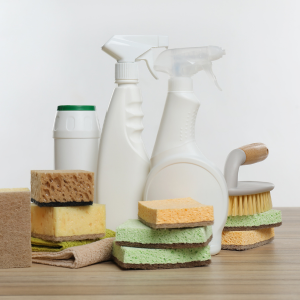
If you've been researching environmentally friendly cleaning products, you've probably come across enzyme cleaners and probiotic cleaners. While these products are often mentioned together, they're not the same thing.
Both are designed to tackle organic waste and unpleasant odours more effectively than traditional cleaning chemicals, but they work in completely different ways.
Understanding the difference can help businesses choose the right product for their cleaning needs—whether it's removing stubborn organic stains, eliminating persistent odours, or maintaining cleaner commercial environments over the long term.
In this guide, we'll explain what enzyme cleaners and probiotic cleaners are, how they work, their advantages, and when each is the better choice.
Why Biological Cleaning Products Are Becoming More Popular
Businesses across New Zealand are moving towards smarter cleaning solutions that don't simply mask problems.
Traditional cleaning chemicals often:
- Cover up odours temporarily
- Require frequent reapplication
- Leave chemical residues
- Fail to remove the source of organic contamination
Biological cleaners work differently.
Instead of masking smells, they target the organic matter that causes them, making them particularly useful for commercial facilities such as:
- Offices
- Schools
- Gyms
- Healthcare facilities
- Hospitality venues
- Restaurants
- Aged care facilities
- Public washrooms
What Are Enzyme Cleaners?
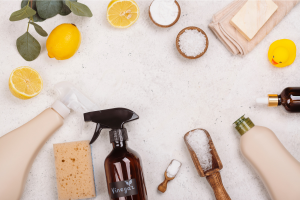
Enzyme cleaners contain naturally occurring enzymes that break down organic matter into smaller, water-soluble molecules.
Enzymes are specialised proteins that speed up biological reactions.
Once applied, they begin digesting organic materials such as:
- Urine
- Blood
- Sweat
- Grease
- Fat
- Food residue
- Protein stains
- Vomit
As the organic material breaks down, it becomes much easier to remove through normal cleaning.
Unlike harsh chemicals, enzyme cleaners don't simply dissolve dirt—they biologically digest it.
How Enzyme Cleaners Work
Different enzymes target different types of organic waste.
For example:
- Protease breaks down proteins.
- Lipase targets fats and oils.
- Amylase breaks down starches.
- Cellulase digests plant fibres.
Many commercial enzyme cleaners combine several enzymes to tackle multiple types of contamination simultaneously.
Common Uses for Enzyme Cleaners
Enzyme cleaners are ideal for removing:
- Bathroom odours
- Food spills
- Kitchen grease
- Pet accidents
- Blood stains
- Vomit
- Sweat build-up
- Organic waste bins
- Drains
- Carpets
- Upholstery
They're particularly effective when the goal is to remove existing organic contamination quickly.
What Are Probiotic Cleaners?
Probiotic cleaners contain beneficial bacteria rather than just enzymes. Once applied, these bacteria consume organic waste as a food source.
As long as moisture and organic matter remain, the bacteria continue working after the initial cleaning process. This ongoing activity is what makes probiotic cleaners different from enzyme cleaners.
Rather than stopping once the enzymes have completed their job, probiotic cleaners continue helping to reduce organic build-up over time.
How Probiotic Cleaners Work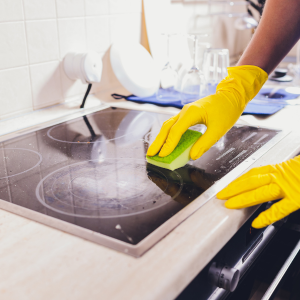
Beneficial bacteria are introduced onto the cleaned surface.
These bacteria:
- Feed on organic waste
- Multiply naturally
- Continue cleaning after application
- Compete against odour-causing bacteria
- Help reduce biofilm formation
This ongoing biological activity makes probiotic cleaners particularly useful in areas that experience constant contamination.
Common Uses for Probiotic Cleaners
Probiotic cleaners are commonly used in:
- Public bathrooms
- Commercial kitchens
- Floors
- Drains
- Grease traps
- Waste rooms
- Bin storage areas
- Schools
- Hospitals
- High-traffic commercial buildings
They're particularly effective as part of an ongoing maintenance programme.
Probiotic Cleaners vs Enzyme Cleaners: The Key Differences

Although both products target organic waste, their cleaning process differs significantly.
How They Clean
Enzyme cleaners rely on specialised enzymes to immediately break down organic matter.
Probiotic cleaners rely on living bacteria that consume organic waste over time.
Speed of Action
Enzyme cleaners generally begin working immediately after application.
This makes them excellent for removing fresh stains and spills.
Probiotic cleaners work more gradually because the bacteria need time to establish themselves and begin feeding.
Ongoing Cleaning Performance
One of the biggest advantages of probiotic cleaners is their continued activity.
The bacteria can keep working long after application, provided they have suitable conditions.
Enzyme cleaners stop working once the enzymes have broken down the available organic material.
Odour Control
Both products help eliminate odours by removing their source.
However:
- Enzyme cleaners rapidly remove existing odour-causing organic matter.
- Probiotic cleaners help prevent future odours by continuously reducing organic build-up.
Maintenance Requirements
Businesses experiencing frequent organic contamination may find probiotic cleaners useful as part of a preventative cleaning strategy.
Enzyme cleaners are often chosen when immediate cleaning power is required.
Probiotic Cleaners vs Enzyme Cleaners: Side-by-Side Comparison
| Feature | Enzyme Cleaner | Probiotic Cleaner |
| Active Ingredient | Enzymes | Beneficial bacteria |
| Starts Working | Immediately | Gradually |
| Continues Working After Cleaning | No | Yes |
| Best For | Fresh organic stains | Long-term maintenance |
| Removes Odours | Yes | Yes |
| Prevents Future Organic Build-up | Limited | Excellent |
| Suitable for Daily Cleaning | Yes | Yes |
When Should You Choose an Enzyme Cleaner?
Enzyme cleaners are often the best choice when you need fast removal of organic contamination.
They work particularly well for:
- Removing food spills
- Cleaning washrooms
- Eliminating urine odours
- Treating carpets
- Removing sweat from gym equipment
- Cleaning upholstery
- Breaking down grease
- Spot cleaning
For businesses dealing with frequent organic spills, enzyme cleaners deliver fast and effective results.
If odours continue to linger after routine cleaning, our article Why Bleach Isn't the Best Solution for Bad Smells (And What Works Better) explains why traditional disinfectants often fail to remove the source of unpleasant smells and how biological cleaners provide a more effective solution.
When Should You Choose a Probiotic Cleaner?
Probiotic cleaners are often better suited to ongoing maintenance programmes.
They're ideal for:
- Public washrooms
- Drains
- Waste rooms
- Bin storage areas
- Commercial kitchens
- Schools
- Healthcare facilities
- Large commercial buildings
Businesses with recurring odour problems often benefit from continuous biological cleaning.
Can Enzyme and Probiotic Cleaners Be Used Together?
Yes—in many facilities, they complement each other.
A common strategy is to:
- Use an enzyme cleaner to rapidly remove existing organic contamination.
- Follow with a probiotic cleaner to provide ongoing biological maintenance where appropriate.
This combination helps address both immediate cleaning needs and long-term odour control.
Always follow the manufacturer's recommendations to ensure compatibility and effective use.
How to Choose the Right Biological Cleaner
Before selecting a product, consider:
The Type of Organic Waste
Different contaminants require different cleaning approaches.
How Quickly Results Are Needed
Immediate stain removal may favour enzyme cleaners, while long-term maintenance may favour probiotic cleaners.
The Cleaning Environment
High-traffic commercial facilities often benefit from products designed for ongoing hygiene management.
Frequency of Cleaning
Daily maintenance programmes may benefit from incorporating biological cleaning products into the overall cleaning schedule.
Why Businesses Are Choosing Enzyme-Based Cleaning Solutions
For many commercial facilities, enzyme cleaners strike an excellent balance between powerful cleaning performance and ease of use.
They help:
- Break down stubborn organic waste
- Eliminate odours at their source
- Reduce repeat cleaning
- Improve hygiene standards
- Support cleaner, fresher environments
For facilities such as gyms, schools, offices, hospitality venues, and washrooms, enzyme cleaners are an effective addition to a professional cleaning programme.
Professional Enzyme Cleaning Solutions from Insinc
At Insinc, we supply high-quality commercial cleaning products designed to help New Zealand businesses maintain cleaner, healthier environments.
Our Enzyme Cleaner range is formulated to break down organic matter responsible for stains and unpleasant odours, making it ideal for washrooms, bins, floors, commercial facilities, gyms, hospitality venues, and other environments where organic contamination is common.
Whether you're looking to improve hygiene, reduce odours, or streamline your cleaning routine, choosing the right biological cleaner can make a noticeable difference.
Frequently Asked Questions
Are enzyme cleaners and probiotic cleaners the same?
No. Enzyme cleaners use enzymes to break down organic matter, while probiotic cleaners contain beneficial bacteria that continue consuming organic waste over time.
Which cleaner is better for removing bad smells?
Both can be effective. Enzyme cleaners are excellent for removing existing odour-causing organic matter, while probiotic cleaners help reduce recurring odours through ongoing biological activity.
Can enzyme cleaners kill bacteria?
Enzyme cleaners are primarily designed to break down organic matter rather than disinfect surfaces. If disinfection is required, use an appropriate disinfectant according to the manufacturer's instructions.
Are probiotic cleaners environmentally friendly?
Many probiotic cleaners are designed as environmentally conscious alternatives to harsh chemical cleaners, though product formulations vary. Always check the manufacturer's specifications.
Which cleaner should my business choose?
The best choice depends on your cleaning goals. If you need rapid removal of stains and odours, an enzyme cleaner is often the better option. If you're looking for ongoing maintenance and continuous biological cleaning, a probiotic cleaner may be more suitable. In some cases, using both as part of a cleaning programme provides the best overall results.
https://www.insinc.co.nz/category/enzyme-based-cleaners.html
Posted: Friday 5 June 2026