
Cleaning Before Disinfection: The Step Poultry Farms Shouldn’t Skip During Bird Flu Risk
Effective poultry farm disinfection starts with proper cleaning. Manure, litter, feathers, dust and other organic material can reduce the effectiveness of many disinfectants if they remain on surfaces. This guide explains why cleaning should come first, how to clean and disinfect poultry areas more effectively, and why good everyday hygiene matters as New Zealand prepares for H5 bird flu.
When disease risk increases, reaching for disinfectant can feel like the obvious first step.
But on a poultry farm, spraying disinfectant over a dirty surface is not the same as properly cleaning and disinfecting it.
Manure, feathers, used litter, feed residue, mud, grease and dust can all sit between the disinfectant and the surface you actually want to treat. Organic material can also reduce the effectiveness of many disinfectants. The World Organisation for Animal Health notes that surfaces should be thoroughly cleaned before disinfectants are applied because organic material and greasy substances can significantly affect their performance.
That makes the correct sequence simple:
Remove contamination → Clean → Rinse or drain as required → Disinfect
For New Zealand poultry farmers, the principle is especially timely.
As of 7 September 2026, New Zealand had confirmed three H5 bird flu detections in individual wild birds, with no detections in poultry. MPI continued to assess the nationwide risk as low while encouraging poultry operators to strengthen on-farm biosecurity.
So while disinfectants certainly have an important role, effective poultry biosecurity begins one step earlier.
It begins with cleaning.
Why Cleaning Should Come Before Disinfection
Cleaning and disinfection perform different jobs.
Cleaning removes contamination
Cleaning physically removes materials such as:
- Manure
- Litter
- Feathers
- Feed residue
- Mud
- Dust
- Grease
- Other organic soils
This may involve dry removal, detergent, water, brushing, scrubbing or other suitable cleaning methods.
Disinfection targets microorganisms
Once a surface has been cleaned, a suitable disinfectant can be applied to reduce or inactivate microorganisms according to its approved directions.
How well that works can depend on:
- The disinfectant
- Concentration
- Contact time
- Temperature
- Surface type
- How much contamination remains
Put simply:
Disinfectant works best when it can actually reach the surface.
If a shed floor is still covered with manure and litter, spraying disinfectant over the top does not magically make that contamination disappear.
Why Organic Material Can Interfere With Disinfectants
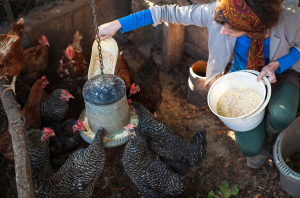
A poultry environment naturally contains large quantities of organic material.
Birds produce manure. Feed creates dust and residue. Feathers accumulate around housing. Dirt and mud can enter on footwear, equipment and vehicles.
This material can create two problems.
First, it can physically shield surfaces from the disinfectant.
Second, some types of organic material can interfere with disinfectant chemistry and reduce effectiveness.
This is why simply increasing the amount of disinfectant is not a substitute for better cleaning.
Using more chemical than instructed can also:
- Waste product
- Increase costs
- Damage surfaces
- Increase worker exposure
- Create unnecessary residues
The better approach is to reduce the organic load first.
Clean well, then disinfect correctly.
A Simple 6-Step Poultry Cleaning and Disinfection Process
The exact procedure will depend on your poultry operation, housing system and farm biosecurity plan. If H5 bird flu is suspected or confirmed, follow MPI and veterinary instructions rather than relying on a routine cleaning programme.
For normal biosecurity preparation, these six steps provide a practical framework.
Step 1: Remove Loose Litter, Manure and Debris
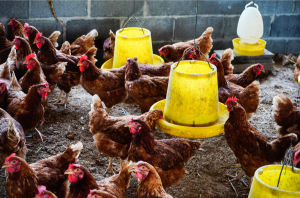
Start by removing as much loose contamination as practical.
That may include:
- Used litter
- Manure
- Feathers
- Feed
- Dust
- Cobwebs
- Mud
- Other debris
MPI recommends removing litter, sand and grit between batches of birds and periodically for resident birds as part of poultry biosecurity.
Removing bulk material first makes every stage after it easier.
Step 2: Clean Surfaces With an Appropriate Cleaner
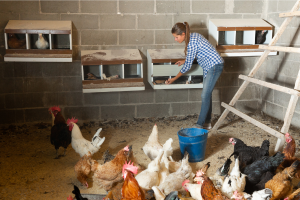
Once loose material has been removed, use a suitable cleaner or detergent to loosen remaining dirt, grease and organic residue.
Depending on the area, this may involve:
- Brushing
- Scrubbing
- Wiping
- Washing
- Foaming
- Controlled pressure washing
Work systematically, particularly around:
- Floors
- Walls
- Housing equipment
- Feeders
- Drinkers
- Doors
- Entry areas
- Crates
- Tools
This is also where commercial cleaning products can support the process.
Insinc supplies a range of commercial cleaning products, including general cleaners, degreasers and other products designed for different types of commercial soils.
The important point is to choose the cleaner according to the surface and contamination, rather than immediately reaching for disinfectant.
Step 3: Clean the Areas Most Likely to Spread Contamination
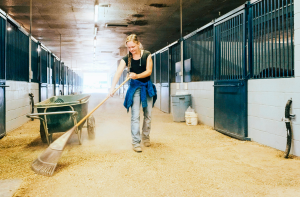
Some areas deserve extra attention because people, birds or equipment interact with them frequently.
Boots and footwear
Mud, manure and litter should be removed before footwear is sanitised or placed into a footbath.
A footbath full of dirty organic material will not perform as intended indefinitely.
Feeders and drinkers
MPI recommends regularly cleaning and disinfecting feed and water containers and protecting them from contamination by wild birds.
Shared equipment
Buckets, crates, tools and other equipment can move contamination between poultry areas.
Where possible, keep equipment dedicated to individual sheds or clean and disinfect it before moving it elsewhere.
Entry points
Doors, handles and areas where workers enter poultry housing can become high-contact zones and should be incorporated into routine hygiene plans.
Step 4: Rinse, Drain and Inspect
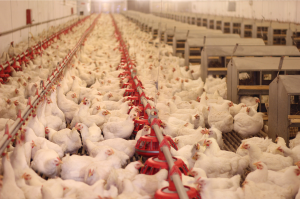
After cleaning, follow the cleaner manufacturer's directions regarding rinsing.
Before moving on to disinfection, inspect the area.
Can you still see:
- Manure?
- Feed?
- Feathers?
- Mud?
- Grease?
- Heavy dust?
If the answer is yes, more cleaning may be required.
Also allow excess cleaning water to drain where necessary so it does not unnecessarily dilute the disinfectant applied afterwards.
Think of this stage as quality control.
If the surface still looks dirty, it probably isn't ready for disinfection.
Step 5: Apply the Appropriate Disinfectant
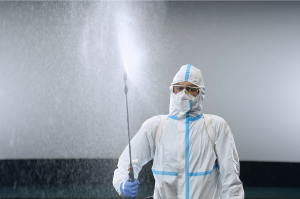
Once the surface has been properly cleaned, apply a disinfectant suitable for the intended use.
Follow the product's instructions for:
- Dilution
- Application
- Surface compatibility
- Contact time
- Personal protective equipment
- Rinsing, if required
Insinc also carries commercial disinfectants and sanitisers for a variety of workplace applications.
However, when bird flu is the concern, product claims matter.
Do not assume that every product labelled “disinfectant”, “antiviral” or “sanitiser” has been proven effective against H5N1.
For bird-flu-specific preparation or disease response, use products and procedures supported by current MPI, veterinary and manufacturer guidance.
Step 6: Prevent Recontamination
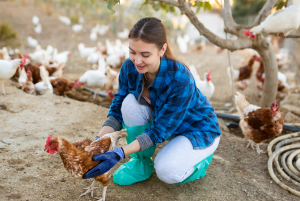
Cleaning and disinfecting a poultry shed is only useful if contamination is not immediately carried back inside.
Review how people and equipment move around the farm.
Consider:
- Dedicated footwear
- Clean and dirty zones
- Visitor restrictions
- Equipment separation
- Hand hygiene
- PPE
- Vehicle controls
- Wild-bird exclusion
- Feed and water protection
MPI currently recommends strengthening many of these measures as part of H5 bird flu preparation for commercial poultry farms.
For a wider look at these everyday measures, read Bird Flu Biosecurity in NZ: Everyday Cleaning Practices That Help Reduce Risk.
Bird Flu Biosecurity Starts Outside the Disinfectant Bottle
Cleaning and disinfection are important, but they are only part of poultry biosecurity.
H5 bird flu can potentially reach poultry environments through contact with infected wild birds or contaminated material.
That makes prevention important around the whole farm.
MPI advises poultry operators to pay attention to measures such as:
- Separating poultry from wild birds
- Protecting feed and drinking water
- Keeping outside areas clean
- Restricting unnecessary visitors
- Managing footwear
- Cleaning equipment
- Avoiding sharing equipment between farms unless it has been thoroughly cleaned and disinfected.
This broader approach matters because even a perfectly disinfected shed can become contaminated again if dirty footwear, equipment or other material is carried straight back inside.
Don't Forget Cleaning Tools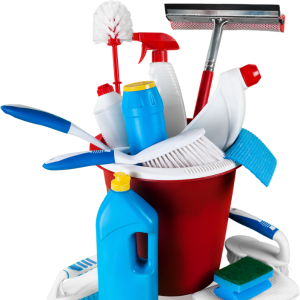
The tools used for cleaning can also carry contamination.
That includes:
Consider using colour-coded or dedicated tools for different sheds or areas where practical.
After use, reusable tools should also be appropriately cleaned, treated and stored away from dirty equipment.
Otherwise, the cleaning brush can become part of the contamination problem—which is not exactly the promotion it was hoping for.
What If Bird Flu Is Suspected?
Routine cleaning guidance is not an outbreak-response procedure.
H5 bird flu is a notifiable disease in New Zealand.
If unusual illness or mortality creates concern about H5 bird flu, contact MPI rather than beginning an uncontrolled clean-up or moving potentially contaminated birds and equipment.
MPI's Exotic Pest and Disease Hotline is available 24/7 on 0800 80 99 66.
Follow official instructions regarding movement, testing, cleaning and disease-control measures.
Choosing Cleaning and Disinfection Products for Poultry Farms
A poultry hygiene programme may require several different products rather than one product expected to do everything.
Cleaning products
Used to remove dirt, grease and organic residue before disinfection.
EXPLORE COMMERCIAL CLEANING PRODUCTS
Disinfectants and sanitisers
Used on appropriately cleaned surfaces according to the product's approved application.
EXPLORE DISINFECTANTS & SANITISERS
The important thing is the sequence:
Cleaner first. Disinfectant second.
And always confirm that the products chosen are suitable for the particular poultry-farm application.
Why Choose Insinc for Commercial Cleaning Supplies?
Insinc supplies New Zealand businesses with commercial cleaning and hygiene products suitable for a wide range of workplace applications.
The range includes:
- Commercial cleaners
- Degreasers
- Disinfectants and sanitisers
- Cleaning wipes
- Gloves
- Bin liners
- General cleaning supplies
For poultry operators, having access to products for both the cleaning and disinfection stages makes it easier to build a structured hygiene programme rather than relying on one chemical for every job.
Build a Better Cleaning Routine
SHOP COMMERCIAL CLEANING PRODUCTS
Clean First. Then Disinfect.
During periods of increased bird flu awareness, it is understandable that disinfectant receives most of the attention.
But the less glamorous step comes first.
Remove the manure.
Remove the litter.
Wash away the organic residue.
Inspect the surface.
Then disinfect.
Good poultry biosecurity isn't necessarily about using more chemical.
It is about making sure each product has the best opportunity to do the job it was designed to do.
And sometimes the most important step happens before the disinfectant bottle is even opened.
Frequently Asked Questions
Why should poultry farms clean before disinfecting?
Organic material such as manure, litter, dirt and grease can reduce the effectiveness of many disinfectants and prevent the product from reaching the underlying surface properly. Cleaning removes this contamination before disinfection.
Can I apply disinfectant directly over manure or litter?
Heavy organic contamination should be removed first. Applying disinfectant over dirty surfaces is not a substitute for proper cleaning.
Should boots be cleaned before using a footbath?
Yes. Remove mud, manure and other contamination before applying the appropriate footwear sanitising or disinfecting treatment.
Should poultry equipment be cleaned before disinfection?
Yes. Equipment should be cleaned to remove organic contamination before an appropriate disinfectant is applied. MPI also recommends thoroughly cleaning and disinfecting shared equipment before it is moved between farms.
Can any disinfectant be used against bird flu?
No. A general disinfectant claim does not automatically mean a product has proven H5N1 efficacy. Follow current MPI, veterinary and manufacturer guidance when selecting products specifically for bird flu biosecurity.
Has H5 bird flu been detected in New Zealand poultry?
As of 7 September 2026, New Zealand had confirmed three detections in individual wild birds but none in poultry. The national risk level remained low.
What should I do if I suspect bird flu?
Contact MPI's Exotic Pest and Disease Hotline on 0800 80 99 66 immediately and follow official instructions.
https://www.insinc.co.nz/category/cleaning-supplies.html