
Best Disinfectant Wipes for Gyms and Fitness Centres
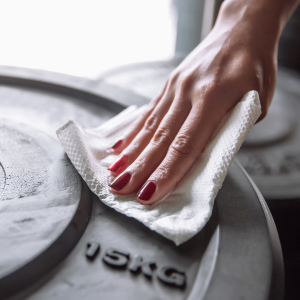
Cleanliness and hygiene have become some of the most important factors influencing gym member satisfaction, retention, and business reputation. In today’s fitness industry, members expect gym equipment, washrooms, change rooms, and shared surfaces to be cleaned regularly and maintained to high hygiene standards.
One of the most effective and convenient tools used by gyms and fitness centres is disinfectant wipes. Proper disinfectant wipes help remove bacteria, sweat, oils, and germs from high-touch equipment quickly and efficiently while supporting healthier environments for members and staff.
However, not all gym disinfectant wipes are the same.
Many gyms unknowingly use products that:
-
Fail to disinfect properly
-
Damage equipment surfaces
-
Leave sticky residue
-
Dry out too quickly
-
Cause unpleasant chemical smells
-
Increase long-term maintenance costs
Choosing the right disinfectant wipes is essential not only for cleanliness but also for protecting expensive fitness equipment, improving member confidence, and maintaining professional hygiene standards.
This guide explains what gyms should look for when selecting disinfectant wipes, common mistakes fitness facilities make, and how New Zealand gyms can build more effective cleaning and sanitising systems.
Why Disinfectant Wipes Matter in Gyms
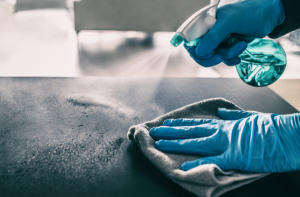
Gyms are high-contact environments.
Throughout the day, members touch:
-
Dumbbells
-
Weight benches
-
Cardio machines
-
Exercise mats
-
Locker handles
-
Touchscreens
-
Water fountains
-
Door handles
Sweat, bacteria, body oils, and germs quickly build up on shared equipment.
Without regular disinfecting, these surfaces can contribute to:
-
Illness transmission
-
Unpleasant odours
-
Poor hygiene standards
-
Member complaints
-
Negative reviews
Disinfectant wipes allow gyms to clean equipment quickly between uses while encouraging better member hygiene habits.
They also help create visible cleanliness, which is increasingly important for customer trust.
The Difference Between Cleaning and Disinfecting
Many people assume cleaning and disinfecting mean the same thing.
However, they serve different purposes.
Cleaning
Cleaning removes:
-
Dirt
-
Sweat
-
Dust
-
Oils
-
Visible debris
Cleaning improves appearance but may not eliminate harmful bacteria or viruses.
Disinfecting
Disinfecting uses chemicals designed to kill germs, bacteria, and viruses.
Disinfectant wipes are specifically formulated to reduce harmful microorganisms on surfaces.
For gyms and fitness centres, both cleaning and disinfecting are essential.
What Makes a Good Gym Disinfectant Wipe?
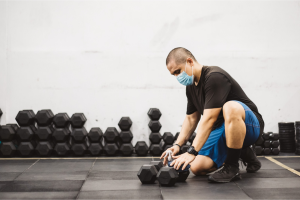
The best gym disinfectant wipes should balance:
-
Cleaning performance
-
Safety
-
Surface compatibility
-
Member comfort
-
Practical usability
1. Effective Germ Protection
Gym wipes should effectively remove or kill:
-
Bacteria
-
Viruses
-
Sweat residue
-
Odour-causing germs
Commercial-grade disinfectant wipes are generally more suitable for gyms than standard household wipes.
2. Safe for Gym Equipment
Many gym machines contain:
-
Rubber surfaces
-
Upholstery
-
Touchscreens
-
Plastic components
-
Electronic displays
Harsh chemicals can damage these materials over time.
The best gym wipes clean effectively without causing:
-
Cracking
-
Fading
-
Corrosion
-
Sticky residue
-
Surface deterioration
3. Quick Drying
Members do not want wet equipment after wiping.
Good disinfectant wipes should:
-
Dry quickly
-
Leave minimal residue
-
Avoid slippery surfaces
Quick-drying products improve user experience and encourage members to clean equipment more consistently.
4. Low-Odour or Pleasant Fragrance
Strong chemical smells can negatively affect gym environments.
Gyms should choose wipes with:
-
Mild scents
-
Low chemical odours
-
Fresh, clean fragrance profiles
Overly strong disinfectant smells may make facilities feel unpleasant or poorly ventilated.
5. Durable Wipe Material
Low-quality wipes tear easily and may not clean effectively.
Commercial gym wipes should be:
-
Durable
-
Thick enough for heavy use
-
Absorbent
-
Suitable for large surfaces
Strong wipe material improves cleaning efficiency and reduces waste.
Common Mistakes Gyms Make With Disinfectant Wipes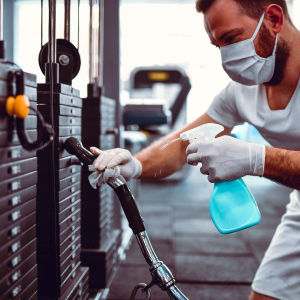
Using Household Wipes in Commercial Gyms
Many household wipes are not designed for high-volume commercial use.
They may:
-
Dry out quickly
-
Tear easily
-
Fail to disinfect properly
-
Damage equipment surfaces
Commercial-grade products are generally more suitable for fitness environments.
Using Wipes With Harsh Chemicals
Some cleaning chemicals may:
-
Damage upholstery
-
Fade rubber surfaces
-
Crack plastics
-
Irritate skin
-
Leave residue
Gyms should choose products designed specifically for fitness equipment where possible.
Inconsistent Cleaning Procedures
Even the best products fail if cleaning systems are inconsistent.
Gyms should implement:
-
Regular equipment cleaning schedules
-
Member wipe stations
-
Staff hygiene procedures
-
Visible sanitising routines
Consistency is critical for maintaining hygiene standards.
Allowing Wipe Stations to Run Empty
Members quickly notice when cleaning stations are empty.
Poor supply management can negatively affect:
-
Customer perception
-
Hygiene compliance
-
Member trust
Why Visible Hygiene Matters for Gym Member Retention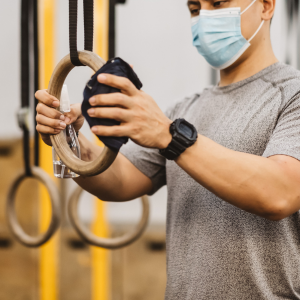
Modern gym members expect visible cleaning practices.
Since COVID-19, many people actively assess:
-
Equipment cleanliness
-
Washroom hygiene
-
Sanitiser availability
-
Cleaning frequency
-
Staff hygiene practices
Visible hygiene measures help members feel:
-
Safer
-
More comfortable
-
More confident using shared equipment
Gyms with poor hygiene standards often experience:
-
Negative reviews
-
Membership cancellations
-
Reduced referrals
-
Lower customer trust
Cleanliness has become a major competitive advantage in the fitness industry.
Persistent odours are often one of the clearest signs that deeper hygiene or ventilation issues may not be properly addressed within a fitness facility. Even gyms that appear visually clean can still develop unpleasant smells caused by trapped moisture, bacteria build-up, dirty mats, poor airflow, or inconsistent cleaning practices. For gym owners wanting to better understand the root causes of lingering odours and how to create fresher fitness environments, our article Why Does My Gym Still Smell Bad After Cleaning? explores hidden hygiene problems, odour-control strategies, and practical solutions for New Zealand gyms and fitness centres.
High-Risk Areas Gyms Should Disinfect Frequently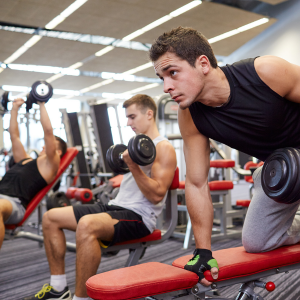
Certain gym surfaces require more frequent disinfecting due to heavy contact.
Gym Equipment Handles
Handles accumulate:
-
Sweat
-
Skin oils
-
Bacteria
These areas should be wiped frequently throughout the day.
Weight Benches and Upholstery
Soft surfaces absorb sweat and moisture quickly.
Deep cleaning and regular disinfecting are essential.
Cardio Equipment Screens and Buttons
Touchscreens are among the most frequently touched surfaces in gyms.
These should be disinfected carefully using equipment-safe products.
Mats and Functional Training Areas
Mats regularly come into contact with:
-
Sweat
-
Shoes
-
Skin contact
-
Dirt
These areas require structured cleaning schedules.
Washrooms and Change Rooms
Washrooms are high-risk hygiene areas.
Regular disinfection helps reduce bacteria spread and unpleasant odours.
Disposable Wipes vs Reusable Cleaning Systems
Many gyms choose between disposable wipes and reusable microfibre cleaning systems.
Disposable Wipes
Advantages:
-
Convenient
-
Quick to use
-
Easy member access
-
Reduce cross-contamination
Disadvantages:
-
Higher ongoing cost
-
Increased waste
-
Frequent restocking required
Reusable Microfibre Systems
Advantages:
-
Lower waste generation
-
More sustainable
-
Cost-effective long term
-
Excellent cleaning performance
Disadvantages:
-
Require laundering systems
-
Need proper maintenance
-
Staff training required
Many gyms combine both systems depending on facility size and cleaning needs.
Sustainable Hygiene Solutions for Gyms
More New Zealand gyms are now prioritising sustainability alongside hygiene.
Sustainable gym cleaning solutions may include:
-
Refillable wipe dispensers
-
Reduced plastic packaging
Sustainable cleaning systems can help gyms reduce waste while maintaining high hygiene standards.
How Often Should Gyms Disinfect Equipment?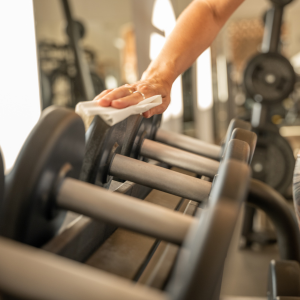
High-touch equipment should ideally be disinfected multiple times daily.
Busy gyms may require:
-
Hourly wipe-downs
-
Between-user cleaning
-
Increased cleaning during peak periods
Cleaning frequency should depend on:
-
Gym traffic levels
-
Equipment usage
-
Time of day
-
Shared equipment exposure
Structured cleaning schedules help maintain consistency.
Why Proper Staff Training Matters
Even the best disinfectant products fail without proper usage.
Staff should understand:
-
Which products to use
-
Correct contact times
-
Equipment-safe cleaning methods
-
Cross-contamination prevention
-
Cleaning schedules
Training improves both cleaning quality and hygiene consistency.
How Insinc Supports Cleaner, Healthier NZ Gyms
At Insinc Products, we help New Zealand gyms and fitness facilities maintain cleaner, healthier environments with practical commercial cleaning and hygiene solutions.
We supply:
-
Commercial disinfectant wipes
-
Washroom hygiene supplies
Whether you operate a boutique fitness studio, large commercial gym, recreation centre, yoga studio, or sports facility, our team can help you choose practical cleaning solutions that support hygiene, member confidence, and long-term facility maintenance.
Gym Disinfectant Wipe Checklist
Look For:
-
Commercial-grade performance
-
Equipment-safe ingredients
-
Quick drying formula
-
Durable wipe material
-
Pleasant or low odour
-
Effective bacteria control
Avoid:
-
Harsh chemicals
-
Cheap low-quality wipes
-
Sticky residue
-
Strong chemical smells
-
Inconsistent cleaning routines
-
Empty wipe stations
Frequently Asked Questions
What are the best disinfectant wipes for gyms?
The best gym disinfectant wipes are commercial-grade products that effectively disinfect surfaces while remaining safe for gym equipment and comfortable for members to use.
Can disinfectant wipes damage gym equipment?
Yes. Some harsh chemicals may damage upholstery, rubber surfaces, plastics, and touchscreens over time.
How often should gym equipment be disinfected?
High-touch gym equipment should ideally be disinfected multiple times daily, especially during busy periods.
Are reusable cleaning systems better than disposable wipes?
Both systems have advantages. Many gyms use a combination of reusable microfibre systems and disposable wipes depending on cleaning needs.
Why do gyms need commercial-grade wipes?
Commercial environments experience higher traffic and require stronger, more durable products than standard household wipes.
What areas in gyms need disinfecting most?
High-risk areas include:
-
Equipment handles
-
Weight benches
-
Touchscreens
-
Mats
-
Locker rooms
-
Washrooms
-
Shared surfaces
Can gym hygiene affect member retention?
Yes. Poor cleanliness and hygiene standards can lead to negative reviews, complaints, and membership cancellations.
Conclusion
Disinfectant wipes play a major role in maintaining hygiene standards, reducing bacteria build-up, and improving member confidence in gyms and fitness centres.
However, choosing the right products is essential for protecting equipment, improving cleaning efficiency, and supporting healthier environments.
By investing in commercial-grade disinfectant wipes, implementing structured cleaning systems, and maintaining consistent hygiene routines, New Zealand gyms can create cleaner, safer, and more professional fitness facilities.
For gyms wanting practical commercial cleaning solutions, Insinc Products supplies workplace hygiene products designed to support cleaner, healthier, and fresher fitness environments across New Zealand.
https://www.insinc.co.nz/category/disinfectant-sanitiser
Posted: Friday 22 May 2026