
Why Does My Gym Still Smell Bad After Cleaning?

Keeping a gym clean is one thing. Keeping it smelling fresh is another challenge entirely.
Many gym owners and fitness centre managers across New Zealand regularly clean their facilities yet still struggle with lingering odours that return shortly after cleaning. Even gyms that appear visually clean can develop unpleasant smells caused by sweat, bacteria, moisture, poor ventilation, dirty equipment, and hidden hygiene issues.
Persistent gym odours are more than just an inconvenience. Bad smells can negatively affect member experience, damage your business reputation, increase complaints, and even contribute to hygiene concerns if underlying cleaning issues are not properly addressed.
For many gym members, smell is one of the first things they notice when entering a fitness facility. A strong odour can instantly create the impression that a gym is dirty or unhygienic, regardless of how modern the equipment or facilities may be.
In highly competitive fitness markets, maintaining a fresh, hygienic environment is essential for attracting and retaining members.
This guide explores the most common reasons gyms still smell bad after cleaning, the hidden hygiene problems that often go unnoticed, and practical solutions New Zealand gyms can use to create cleaner, fresher, and healthier fitness environments.
Why Gym Odours Are So Common
Gyms naturally create the perfect conditions for unpleasant odours.
Fitness facilities regularly deal with:
-
Sweat
-
Heat
-
Moisture
-
Heavy foot traffic
-
Shared equipment
-
Damp environments
-
Poor airflow
-
Bacteria build-up
When these factors combine, odours can develop quickly and spread throughout a facility.
Unlike standard office environments, gyms experience constant physical activity that increases body heat and perspiration levels.
Without proper cleaning and ventilation systems, bacteria and moisture accumulate rapidly on surfaces, flooring, equipment, and soft furnishings.
This creates persistent smells that standard surface cleaning often fails to eliminate.
The Hidden Causes of Bad Gym Smells
Many gym owners assume unpleasant smells are caused solely by sweat.
However, the real causes are often more complex.
1. Sweat and Bacteria Build-Up
Sweat itself is not usually the primary source of bad odours.
The smell develops when sweat interacts with bacteria living on surfaces and equipment.
Common bacteria hotspots include:
-
Weight benches
-
Cardio equipment handles
-
Mats
-
Flooring
-
Upholstery
-
Shared towels
If equipment is not properly disinfected, bacteria continue multiplying even after visible dirt is removed.
Over time, odours become trapped within porous surfaces and fabrics.
Using the right disinfectant wipes is also essential for reducing bacteria build-up and controlling odours on shared gym equipment. Many gyms unknowingly use products that either fail to disinfect properly or damage sensitive equipment surfaces over time. For fitness facilities wanting to improve hygiene standards and choose safer, more effective cleaning solutions, our article Best Disinfectant Wipes for Gyms and Fitness Centres explores what gym owners should look for in commercial disinfectant wipes, common cleaning mistakes to avoid, and how proper product selection can improve both hygiene and member experience.
2. Dirty Gym Mats and Soft Surfaces
Gym mats absorb:
-
Sweat
-
Moisture
-
Body oils
-
Dirt
-
Bacteria
Without proper deep cleaning, mats can quickly develop strong smells.
Foam mats, yoga mats, and padded equipment are particularly prone to odour retention.
Because these materials absorb moisture, surface cleaning alone is often insufficient.
Deep sanitising and complete drying are essential.
3. Poor Ventilation and Airflow
Ventilation problems are one of the most overlooked causes of gym odours.
Warm, humid air allows bacteria and moisture to linger throughout the facility.
Poor airflow contributes to:
-
Stale smells
-
Dampness
-
Mould growth
-
Condensation
-
Reduced air quality
Even well-cleaned gyms can smell unpleasant if air circulation is poor.
Facilities with inadequate ventilation often experience stronger odours during peak membership hours.
4. Damp Change Rooms and Showers
Locker rooms and showers are high-risk odour zones.
These areas constantly deal with:
-
Moisture
-
Wet towels
-
Damp flooring
-
Humid air
-
Soap residue
-
Bacteria
Without regular cleaning and airflow management, unpleasant smells develop quickly.
Drain systems and wet flooring can also contribute to persistent odours.
5. Dirty Drains and Plumbing Issues
Drains are frequently overlooked during gym cleaning routines.
Over time, drains can collect:
-
Hair
-
Soap scum
-
Sweat residue
-
Bacteria
-
Organic build-up
This creates strong smells that spread throughout bathrooms and changing areas.
Drain odours are particularly common in:
-
Shower areas
-
Sauna facilities
-
Bathrooms
-
Laundry areas
6. Poor Cleaning Practices
Many gyms clean surfaces visually without properly disinfecting them.
This may temporarily improve appearance while allowing bacteria and odours to remain.
Common cleaning mistakes include:
-
Using incorrect products
-
Reusing dirty cloths
-
Inconsistent cleaning schedules
-
Failing to deep clean equipment
-
Overlooking high-touch surfaces
-
Improper drying methods
Poor cleaning systems often spread bacteria rather than removing it.
Why Bad Smells Can Hurt Your Gym Business

Gym odours directly affect member experience.
Even if your facility is technically clean, unpleasant smells create negative perceptions.
Members often associate bad smells with:
-
Poor hygiene
-
Dirty equipment
-
Health risks
-
Low professionalism
-
Inadequate maintenance
This can lead to:
-
Negative online reviews
-
Membership cancellations
-
Reduced referrals
-
Customer complaints
-
Lower retention rates
In competitive fitness markets, cleanliness and freshness strongly influence customer loyalty.
The Link Between Gym Hygiene and Member Retention
Modern gym members expect high hygiene standards.
Since COVID-19, awareness around cleanliness and sanitisation has increased significantly.
Members now actively notice:
-
Equipment cleanliness
-
Washroom hygiene
-
Odours
-
Sanitiser availability
-
Staff cleaning routines
A clean-smelling gym helps members feel:
-
Comfortable
-
Safe
-
Confident
-
More likely to return
Poor hygiene standards can quickly damage trust.
For gyms wanting to improve customer experience and long-term retention, odour control should be treated as part of overall member satisfaction.
How to Eliminate Bad Gym Smells Properly

1. Improve Cleaning Frequency
Gyms require more frequent cleaning than most commercial spaces.
High-touch equipment should be disinfected regularly throughout the day.
Priority areas include:
-
Weight benches
-
Machine handles
-
Mats
-
Lockers
-
Door handles
-
Bathrooms
-
Reception counters
Cleaning schedules should increase during peak operating hours.
2. Deep Clean Equipment and Flooring
Surface wiping alone is not enough.
Gyms should regularly deep clean:
-
Rubber flooring
-
Mats
-
Carpeted areas
-
Change rooms
-
Showers
Deep cleaning removes trapped bacteria and odour-causing residue.
3. Use Proper Disinfectants
Not all cleaning products effectively remove bacteria responsible for odours.
Gyms should use commercial-grade disinfectants suitable for:
-
Gym equipment
-
High-touch surfaces
-
Washrooms
-
Shared spaces
Products should clean effectively without damaging equipment surfaces.
4. Improve Airflow and Ventilation
Ventilation plays a major role in gym freshness.
To improve airflow:
-
Maintain HVAC systems
-
Replace filters regularly
-
Use extraction fans
-
Increase fresh air circulation
-
Reduce indoor humidity
Better airflow helps remove airborne moisture and odours.
5. Address Moisture Quickly
Moisture is one of the biggest contributors to persistent gym smells.
Businesses should:
-
Dry wet floors quickly
-
Remove damp towels promptly
-
Repair leaks immediately
-
Improve drainage systems
-
Monitor humidity levels
Preventing moisture build-up reduces mould and bacteria growth.
6. Clean Drains Regularly
Drain maintenance is essential.
Regular drain cleaning helps prevent:
-
Organic build-up
-
Bacteria accumulation
-
Persistent odours
-
Plumbing blockages
Ignoring drains often allows smells to return repeatedly.
7. Use Colour-Coded Cleaning Systems
Cross-contamination spreads bacteria between cleaning areas.
Many gyms use colour-coded cleaning systems such as:
-
Red = bathrooms
-
Blue = gym equipment
-
Green = kitchens or cafés
-
Yellow = sensitive areas
This improves hygiene consistency.
8. Encourage Member Hygiene
Members also contribute to gym cleanliness.
Gyms should encourage:
-
Equipment wiping after use
-
Towel use
-
Shower etiquette
Visible hygiene stations help reinforce cleaner habits.
Why Gym Washroom Hygiene Matters
Gym washrooms and locker rooms strongly influence overall facility perception.
Dirty or smelly washrooms immediately damage member confidence.
Members often judge gyms by:
-
Shower cleanliness
-
Soap availability
-
Odour levels
-
Floor cleanliness
Maintaining clean washrooms is essential for:
-
Member satisfaction
-
Hygiene standards
-
Business reputation
-
Health and safety
For gyms wanting to improve overall facility presentation, washroom hygiene should never be treated as secondary.
Sustainable Odour Control for Gyms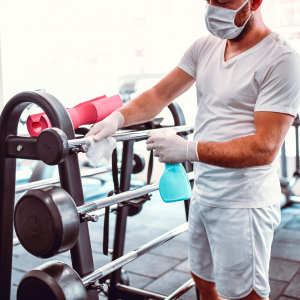
More New Zealand gyms are now seeking environmentally responsible cleaning solutions.
Sustainable gym hygiene may include:
-
Refillable dispensers
-
Reduced plastic waste
Sustainable cleaning systems can support both hygiene and environmental goals when implemented properly.
Common Mistakes Gyms Make With Odour Control
Covering Smells Instead of Solving Them
Air fresheners only mask odours temporarily.
Businesses should identify and eliminate the underlying cause.
Cleaning Visibly Dirty Areas Only
Many bacteria hotspots are invisible.
High-touch surfaces require regular disinfection even when they appear clean.
Using Incorrect Cleaning Products
Some products fail to kill odour-causing bacteria effectively.
Others may damage gym equipment surfaces.
Inconsistent Cleaning Routines
Cleaning standards often decline during busy periods.
Consistency is essential in high-traffic gyms.
How Professional Cleaning Products Improve Gym Hygiene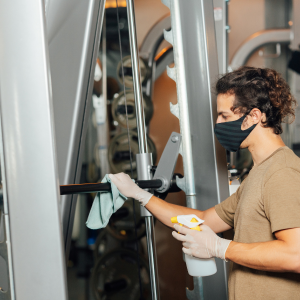
Commercial cleaning systems are designed for high-traffic environments.
Professional gym hygiene products help:
-
Eliminate bacteria
-
Improve odour control
-
Reduce cross-contamination
-
Maintain equipment safely
-
Improve workplace hygiene standards
Using appropriate commercial-grade products often delivers better long-term results than standard household cleaners.
How Insinc Supports Cleaner, Fresher NZ Gyms
At Insinc Products, we help New Zealand gyms and fitness facilities maintain cleaner, healthier environments with practical commercial cleaning and hygiene solutions.
We supply:
-
Gym hygiene supplies
-
Washroom cleaning products
Whether you operate a boutique fitness studio, large commercial gym, recreation centre, yoga studio, or sports facility, our team can help you create cleaner spaces that improve member experience and support better hygiene standards.
Frequently Asked Questions
Why does my gym still smell bad after cleaning?
Persistent gym smells are often caused by bacteria, trapped moisture, poor ventilation, dirty drains, and inadequate deep cleaning rather than visible dirt alone.
What causes sweaty smells in gyms?
Sweat interacts with bacteria on equipment, flooring, mats, and soft surfaces, creating unpleasant odours over time.
How can gyms eliminate bad smells permanently?
Gyms should focus on deep cleaning, ventilation improvements, moisture control, regular disinfection, and proper cleaning schedules.
What are the dirtiest areas in gyms?
High-risk hygiene areas include:
-
Weight benches
-
Cardio machine handles
-
Mats
-
Locker rooms
-
Showers
-
Bathrooms
-
Door handles
How often should gym equipment be cleaned?
High-touch equipment should ideally be disinfected multiple times daily, especially during busy periods.
Can poor gym hygiene affect member retention?
Yes. Cleanliness and odour control strongly influence customer perception, reviews, and membership retention.
What products should gyms use for odour control?
Gyms should use commercial-grade disinfectants, cleaning chemicals, microfibre systems, and ventilation solutions designed for high-traffic environments.
Conclusion
Persistent gym odours are usually a sign that deeper hygiene or ventilation issues are not being properly addressed.
While surface cleaning may improve appearance temporarily, long-term odour control requires a combination of effective cleaning systems, proper disinfectants, moisture management, ventilation, and consistent maintenance.
For New Zealand gyms and fitness centres, maintaining a fresh-smelling facility is essential for improving member experience, protecting business reputation, and supporting healthier environments.
By investing in better gym hygiene systems, businesses can reduce complaints, improve customer satisfaction, and create fitness facilities that members genuinely enjoy using.
For gyms looking for practical commercial cleaning solutions, Insinc Products supplies workplace hygiene products designed to support cleaner, fresher, and healthier New Zealand fitness environments.
https://www.insinc.co.nz/category/cleaning-supplies.html
Posted: Friday 22 May 2026