
Septic Tank Problems After Heavy Rain: Warning Signs and What to Do
Heavy rain can do more than flood gardens and block stormwater drains. For homes and businesses with onsite wastewater systems, prolonged wet weather can also cause serious septic tank problems.
You may notice toilets taking longer to flush, drains becoming unusually slow or unpleasant sewage smells appearing around the property. In more serious cases, wastewater may begin backing up into toilets and drains or pooling above the disposal field.
These problems do not always mean the septic tank is full. Often, the real issue is that the surrounding soil has become too saturated to accept more wastewater.
Understanding what happens to a septic system after heavy rain can help you respond safely, reduce further pressure on the system and recognise when professional assistance is needed.
Why Heavy Rain Affects Septic Systems
A typical septic system includes two important components:
-
A septic tank that separates wastewater into solids, liquid and floating material.
-
A disposal field—or drainage field—that releases partially treated wastewater into the surrounding soil.
The soil provides an important final stage of wastewater treatment. However, it needs enough unsaturated space to absorb and filter the liquid leaving the septic tank.
After prolonged or intense rain, the soil around the disposal field may become waterlogged. When this happens, septic wastewater has nowhere to go—or can move through the soil only very slowly.
Floodwater may also enter the system through damaged lids, low inspection openings, poorly positioned gully traps or other vulnerable areas. It can disturb the contents of the tank, lift fats and scum, and clog outlet filters or pipes. Health New Zealand warns that flooded septic tanks and drainage fields can lead to blocked pipes and sewage backing up into toilets and drains.
Warning Signs of Septic Tank Problems After Heavy Rain
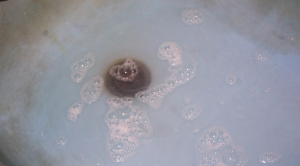
Some changes may be temporary while the soil dries. Others suggest that the system has become overloaded, obstructed or damaged.
Watch for the following warning signs.
1. Slow-draining sinks, showers and toilets
One slow drain may indicate a local plumbing blockage. When several fixtures suddenly become slow after heavy rain, however, the septic system may be struggling to accept additional wastewater.
Water may drain slowly because the disposal field is saturated or wastewater is beginning to back up through the system.
If you want to better understand how everyday household waste can contribute to these issues, read our article: What Should Never Go Down a Septic System? A Guide for New Zealand Homes and Businesses, which explains the most common items and substances that can damage septic performance and lead to blockages or system failure.
2. Toilets that flush poorly
A toilet that rises unusually high before draining—or takes several attempts to flush—can indicate restricted wastewater flow.
Avoid repeatedly flushing to force the waste through. This only adds more water to a system that may already be overloaded.
3. Gurgling sounds from drains
Unusual gurgling from toilets, sinks or showers can occur when wastewater and trapped air are moving through partially obstructed pipes.
Gurgling alone does not confirm septic failure, but it should not be ignored when it appears alongside slow drainage, odours or wet ground.
4. Sewage smells indoors or outdoors
A sewage smell inside toilets or drains may indicate wastewater beginning to back up. Odours outside may come from an overloaded tank, a clogged outlet or wastewater reaching the ground surface around the disposal field. Building Performance notes that smells in drains or toilets may indicate sewage backing up, while smells around the soakage area can point to an overloaded or clogged disposal area.
For more information on choosing appropriate cleaning products and maintaining septic systems, see our article Cleaners and septic tank care.
5. Wet, muddy or smelly patches over the disposal field
The disposal field may naturally be damp after rain, but persistent puddles, black liquid or sewage odours are not normal.
Murky or smelly puddles, sewage overflows and recurring blockages are recognised warning signs that an onsite wastewater system requires maintenance.
Keep people, pets and livestock away from any area where wastewater may have surfaced.
6. Wastewater backing up into the property
Smelly black liquid appearing in toilets, showers or floor drains is an urgent warning sign. Stop using the wastewater system and contact a septic-system professional.
Health New Zealand recommends arranging a temporary or emergency toilet when flooding causes sewage backups, slow drains or strong sewage smells.
7. A septic-system alarm activates
Some aerated or pumped wastewater systems include an alarm that activates when the water level becomes too high or a pump stops operating.
Do not simply switch the alarm off and continue using water normally. Reduce wastewater use and contact the system’s service provider.
What to Do When Your Septic System Struggles After Rain
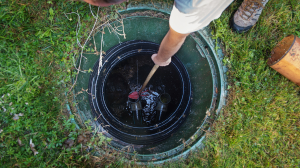
Acting early can help prevent a manageable wet-weather problem from becoming a sewage overflow.
1. Reduce water use immediately
The most important step is to reduce the amount of wastewater entering the system while the surrounding soil remains saturated.
Temporarily avoid:
-
Running several loads of laundry
-
Using the dishwasher
-
Taking long showers
-
Filling and draining baths
-
Cleaning large floor areas with excessive water
-
Flushing toilets unnecessarily
Postpone non-essential cleaning and spread necessary water use throughout the day. Health New Zealand specifically advises reducing household water use until the septic system recovers and the water table falls.
Businesses may need to restrict access to some bathrooms, adjust cleaning schedules or arrange temporary facilities if the system cannot handle normal wastewater volumes.
2. Check for obvious sources of rainwater entry
From a safe distance, look for:
-
Damaged or displaced tank lids
-
Surface water flowing towards the tank
-
Blocked drains around the property
-
Roof downpipes discharging near the disposal field
-
Low inspection openings
-
Debris around gully traps
-
Standing water above the tank or disposal area
Do not open the septic tank yourself. Septic tanks can contain dangerous gases and should only be entered, opened extensively or cleaned by trained professionals.
3. Keep vehicles and heavy equipment away
Do not drive, park or operate heavy machinery over a saturated disposal field.
Wet soil is easier to compact, which can reduce its ability to absorb wastewater. Vehicles may also damage underground pipes or distribution lines. Health New Zealand advises keeping heavy machinery off flooded drainage fields.
4. Contact a septic-system professional
Arrange an inspection when:
-
Wastewater backs up indoors
-
Sewage reaches the ground surface
-
The septic alarm activates
-
Odours continue after the weather improves
-
Multiple drains remain slow
-
A lid, pipe or pump appears damaged
-
The system does not recover as the ground dries
-
The problem returns whenever it rains
A contractor can check the tank, outlet filter, pumps, distribution system and disposal field to identify whether the problem is temporary saturation or a larger system fault.
Should You Pump the Septic Tank During Heavy Rain?
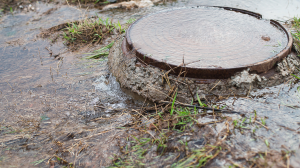
Not necessarily—and doing so during flooded or saturated conditions may cause additional damage.
When the surrounding ground is waterlogged, an empty tank can become buoyant. It may shift or rise out of the ground, damaging connected pipework.
Health New Zealand advises against pumping out a septic tank during flood conditions or while the soil is saturated unless the situation has been professionally assessed.
Pumping also does not repair a waterlogged disposal field. Even after the tank is emptied, wastewater may still have nowhere to drain.
A septic contractor should determine whether pumping is necessary and when it can be completed safely.
Cleaning Chemicals Can Add More Pressure to a Struggling System
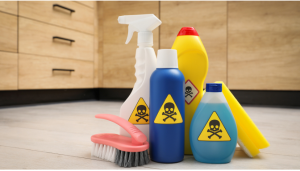
Water volume is not the only concern during wet weather. The type and quantity of cleaning chemicals entering the system also matter.
Septic tanks rely partly on microorganisms to help break down organic waste. Pouring concentrated bleach, strong disinfectants, caustic drain openers or large quantities of antibacterial cleaner down drains may interfere with this biological activity.
This becomes particularly unhelpful when the system is already under pressure from excess water.
Otago Regional Council recommends using detergents and cleaners compatible with the wastewater system, choosing biodegradable soaps and washing powders, and avoiding strong bleach, chlorine and disinfectants. New Plymouth District Council also recommends using reduced amounts of cleaning agents and keeping household chemicals out of septic drains.
This does not mean all disinfectants must be banned from septic properties. Businesses still need to meet appropriate hygiene requirements. The aim is to choose suitable products and use them correctly rather than pouring unnecessary amounts of strong chemicals into the wastewater system.
How to Choose Septic-Safe Cleaning Products
When selecting cleaning chemicals for a property with a septic tank, look beyond words such as “natural,” “green” or “biodegradable.” These descriptions do not automatically guarantee that a product is suitable for every onsite wastewater system.
Check for:
-
A clear statement that the product is suitable for septic systems
-
Manufacturer instructions for dilution and dosing
-
A safety data sheet
-
Low or controlled toxicity at the recommended concentration
-
Compatibility with the surfaces and soils being cleaned
-
Guidance on whether the product can enter wastewater drains
-
Appropriate certification or environmental labelling where relevant
Always follow the label. The New Zealand Environmental Protection Authority advises reading chemical labels and following the supplied instructions whenever household or commercial cleaning products are used.
Never assume that doubling the concentration will improve cleaning. Overdosing wastes product, increases costs and sends more chemical into the septic system.
Can Enzyme Cleaners Be Used With Septic Systems?
Enzyme-based cleaners can provide a practical alternative for routine tasks involving organic residues such as fats, proteins, starches and some odour-causing soils.
Instead of relying solely on highly corrosive chemistry, enzymes help break larger organic materials into smaller components that can be removed more easily during cleaning.
Depending on the individual formulation, enzyme-based products may be useful for:
-
Organic odour control
-
Food-processing areas
-
General floor cleaning
However, “enzyme-based” does not automatically mean that every product is appropriate for every septic system. Always check the product label, technical information and recommended application.
You can browse Insinc’s range of enzyme-based cleaning products and review the individual product information to find options suitable for your facility. Insinc’s category includes enzyme-based products across applications such as drains, floors, washrooms and odour control.
Enzyme cleaners also cannot repair damaged pipes, remove inorganic debris or restore a failed disposal field. Persistent septic problems require professional inspection.
How to Help Prevent Wet-Weather Septic Problems
You cannot control the weather, but you can reduce the likelihood of heavy rain overwhelming the system.
Before the next period of heavy rain:
-
Repair leaking taps and toilets.
-
Spread laundry loads across the week.
-
Keep roof and surface water away from the disposal field.
-
Make sure tank lids and inspection openings are secure.
-
Keep deep-rooted trees away from wastewater pipes.
-
Do not park or build over the disposal area.
-
Arrange regular septic inspections and servicing.
-
Train employees to use cleaning chemicals at the correct dilution.
-
Keep wipes, grease, food scraps and sanitary products out of drains.
-
Know where the tank and disposal field are located.
A system that regularly develops problems after rain may have insufficient capacity, damaged components, poor drainage or an unsuitable disposal area. Recurring symptoms should be investigated rather than treated as a normal part of wet weather.
Frequently Asked Questions
Why does my septic tank smell after heavy rain?
Heavy rain can saturate the soil around the disposal field, slowing the movement of wastewater. Floodwater may also enter the system or disturb fats and scum inside the tank, leading to clogged filters, poor drainage and sewage odours.
How long does a septic system take to recover after heavy rain?
Recovery time depends on the amount of rain, soil type, water-table level and condition of the system. Reduce water use while the ground remains saturated. If symptoms continue after conditions improve, arrange a professional inspection.
Can I use my washing machine when the septic system is waterlogged?
It is better to postpone non-essential laundry. Washing machines discharge a large volume of water within a short period, which can overload a system that is already struggling to drain.
Should I have my septic tank emptied after every flood?
Not automatically. Pumping a tank while the surrounding soil is saturated may cause it to move or rise from the ground. Ask a septic contractor to assess the system and determine whether pumping is necessary.
Are bleach and disinfectant safe for septic tanks?
Small, correctly diluted amounts may be used when required and permitted by the product instructions. Avoid excessive use and never pour leftover concentrated bleach or disinfectant down a drain. Choose products specifically identified as compatible with septic systems.
Will an enzyme treatment fix a flooded septic system?
No. An enzyme treatment cannot dry saturated soil, repair pipes or clear flood debris. Enzyme-based cleaners may support routine organic-waste management, but flooding and sewage backups require reduced water use and professional assessment.
When should I stop using the septic system completely?
Stop using it and arrange temporary toilet facilities if sewage is backing up into toilets or drains, wastewater is surfacing outside, or floodwater is covering the disposal field.
Why Insinc Is the Smart Choice for Septic-Safe Cleaning Solutions
Septic tank problems after heavy rain are often caused by saturated soil rather than a tank that simply needs emptying.
Reducing water use, keeping vehicles away from the disposal field and responding quickly to sewage smells or backups can prevent additional damage. Choosing compatible, correctly diluted cleaning products also helps avoid placing unnecessary chemical pressure on the system while it recovers.
Insinc provides a trusted range of enzyme-based and septic-safe cleaning solutions designed for New Zealand homes and businesses that rely on onsite wastewater systems. Our products are selected to support effective cleaning while helping reduce unnecessary strain on septic performance, with options for drains, floors, washrooms, grease management and odour control. With clear usage instructions and commercial-grade reliability, Insinc makes it easier to maintain hygiene standards without compromising your wastewater system.
https://www.insinc.co.nz/category/septc-tank-safe-cleaning-products