
Reducing Washroom Costs: Should You Switch to Paper Towels or Hand Dryers?

Washrooms are one of the most frequently used areas in any commercial building, yet they're often overlooked when businesses look for ways to reduce operating expenses.
Consumables, electricity, cleaning labour, maintenance, repairs, and waste disposal all contribute to the ongoing cost of running a commercial washroom.
When budgets tighten, many businesses ask the same question:
Would switching from paper towels to hand dryers save money—or could switching the other way actually reduce costs?
The answer depends on much more than the price of paper towels or the cost of a hand dryer.
In this guide, we'll look at the true cost of each option and help you decide which solution offers the best long-term value for your business.
Understanding the Total Cost of Ownership
One of the biggest mistakes businesses make is comparing only the purchase price.
Instead, look at the Total Cost of Ownership (TCO)—the complete cost of operating a hand-drying system throughout its life.
A proper cost comparison should include:
-
Equipment purchase
-
Installation
-
Consumables
-
Electricity
-
Labour
-
Repairs
-
Replacement parts
-
Waste disposal
-
Cleaning time
-
Expected lifespan
Looking at the full picture often changes the outcome.
The Upfront Investment
Paper Towels
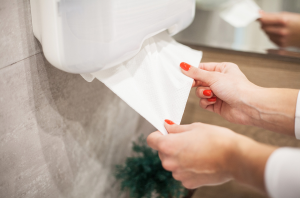
Starting with paper towels is relatively inexpensive.
Most businesses need:
Installation is usually simple and inexpensive.
Hand Dryers
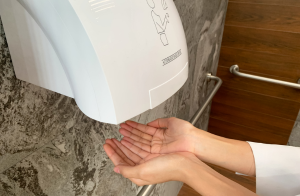
Hand dryers require a much higher initial investment.
Costs may include:
-
Purchasing the unit
-
Professional installation
-
Electrical work
-
Wall preparation
-
Future replacement
Although this cost is paid once, it should be considered when budgeting.
Ongoing Operating Costs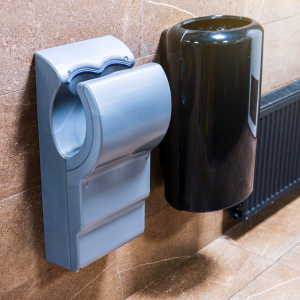
After installation, the two systems generate very different ongoing expenses.
Paper Towels
Recurring costs include:
-
Waste collection
-
Storage space
-
Inventory management
These expenses continue for as long as the system is used.
Hand Dryers
Recurring costs are different.
Businesses typically pay for:
-
Electricity
-
Preventive maintenance
-
Repairs
-
Occasional replacement parts
The operating costs are generally more predictable than consumable purchasing.
Labour Costs Are Often Overlooked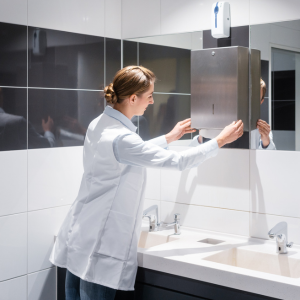
For many businesses, labour is one of the biggest washroom expenses.
Staff time spent maintaining washrooms has a direct financial impact.
Maintaining Paper Towel Systems
Staff may need to:
-
Check dispenser levels
-
Refill paper towels
-
Empty bins
-
Replace liners
-
Clean paper debris
Busy washrooms often require multiple checks each day.
Maintaining Hand Dryers
Hand dryers eliminate refilling tasks but still require:
-
Cleaning the unit
-
Inspecting operation
-
Reporting faults
-
Periodic servicing
Businesses with limited cleaning staff should consider which option best fits their maintenance schedule.
How Washroom Traffic Changes the Equation

The number of daily users has a significant impact on operating costs.
Low-Traffic Workplaces
Small offices and professional services businesses often have predictable washroom usage.
In these environments, paper towel consumption may remain relatively low, making consumable costs easier to manage.
High-Traffic Facilities
Gyms, shopping centres, schools, airports, and entertainment venues experience much heavier usage.
Higher traffic means:
-
More paper towels used
-
More frequent refilling
-
Increased waste removal
-
Greater cleaning requirements
Businesses with high visitor numbers should carefully assess long-term operating costs before changing systems.
Storage Costs Can Add Up
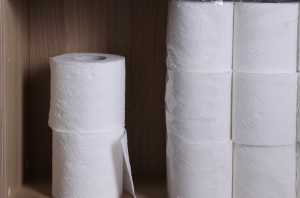
Paper products require storage.
Businesses need space for:
-
Cartons of paper towels
-
Spare dispensers
-
Bin liners
Limited storage can increase delivery frequency or require more careful stock management.
Hand dryers eliminate most consumable storage requirements, which may benefit businesses with limited back-of-house space.
Equipment Lifespan
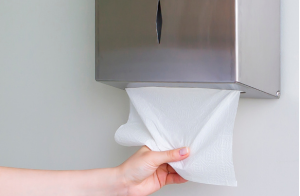
Every product eventually needs replacing.
Paper towel dispensers are generally simple and inexpensive to replace.
Hand dryers often have a longer service life but may require repairs or replacement parts during that time.
When evaluating costs, consider:
-
Manufacturer warranty
-
Expected lifespan
-
Availability of replacement parts
-
Ease of servicing
Higher-quality equipment often delivers better long-term value.
Budget Predictability
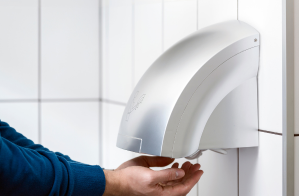
Many businesses prefer predictable monthly expenses.
Paper towel costs fluctuate depending on:
-
Visitor numbers
-
Seasonal demand
-
Product pricing
-
Supply availability
Hand dryers generally have more stable operating costs after installation.
Businesses should choose the option that best suits their budgeting approach.
Can Better Paper Towel Systems Reduce Costs?
Switching to paper towels doesn't necessarily increase costs.
In many cases, choosing the right dispensing system helps reduce waste.
Ways to Reduce Paper Towel Usage
Businesses can lower consumption by:
-
Installing controlled-dispensing dispensers
-
Choosing highly absorbent towels
-
Training cleaning staff
-
Monitoring refill patterns
-
Reviewing stock usage
Small changes in dispensing efficiency can produce noticeable savings over time.
Hidden Costs Businesses Often Miss
When comparing options, don't forget indirect expenses.
These may include:
-
Emergency maintenance call-outs
-
Equipment downtime
-
User complaints
-
Stock shortages
-
Cleaning wet floors
-
Damaged dispensers
-
Overflowing bins
-
Electricity price increases
Looking beyond obvious expenses helps businesses make better purchasing decisions.
Should You Replace Existing Hand Dryers?
Replacing functioning equipment simply to reduce costs doesn't always make financial sense.
Ask yourself:
Are the Existing Units Reliable?
If the dryers are working well, replacement costs may outweigh short-term savings.
Are Maintenance Costs Increasing?
Frequent repairs may indicate it's time to upgrade.
Has Washroom Usage Changed?
A growing business may benefit from reviewing its current setup.
Replacement decisions should be based on lifecycle costs rather than assumptions.
Which Option Offers Better Value?
There isn't a universal answer.
Paper towels may offer better value when:
-
Washroom traffic is relatively low
-
Hygiene expectations are high
-
Staff can manage refilling efficiently
-
Installation budgets are limited
Hand dryers may offer better value when:
-
Washrooms experience consistently high usage
-
Businesses want to reduce consumable purchasing
-
Electrical infrastructure already exists
-
Long-term operating costs are the priority
The best solution depends on your building, budget, and operational requirements.
Reduce Washroom Costs Without Changing Systems
Businesses don't always need to switch products to reduce expenses.
Instead, consider:
1. Review Product Quality
Higher-quality consumables often reduce waste because users need fewer sheets.
2. Optimise Cleaning Schedules
Cleaning based on actual usage can improve labour efficiency.
3. Monitor Stock Levels
Prevent over-ordering and minimise expired or damaged inventory.
4. Audit Washroom Usage
Understanding traffic patterns helps businesses make informed purchasing decisions.
5. Train Staff
Simple improvements in refill procedures and stock management can reduce unnecessary costs.
Often, operational improvements deliver savings without requiring major capital investment.
Choosing the Right Washroom Solution for Your Business
Rather than asking which product is cheaper, ask which solution delivers the greatest value.
Consider:
-
Daily visitor numbers
-
Cleaning resources
-
Storage capacity
-
Capital budget
-
Maintenance capability
-
Long-term operating costs
-
Business goals
A solution that works well for a small office may not be suitable for a busy gym or shopping centre.
Commercial Washroom Solutions from Insinc
At Insinc, we help New Zealand businesses optimise their washroom operations with reliable commercial hygiene products.
From high-quality paper towels and dispensers to cleaning chemicals, washroom consumables, and facility maintenance products, our range is designed to support efficient, cost-effective workplaces.
Whether you're reviewing your current washroom setup or planning a new facility, our team can help you select products that balance performance, reliability, and long-term value.
Frequently Asked Questions
Are hand dryers always cheaper than paper towels?
Not necessarily. While hand dryers eliminate ongoing paper towel purchases, they require installation, electricity, maintenance, and eventual replacement. The most cost-effective option depends on your facility and usage.
What is the biggest hidden cost of paper towels?
Many businesses focus on the cost of the towels themselves but overlook labour for refilling dispensers, waste collection, inventory management, and storage.
Can better paper towel dispensers reduce operating costs?
Yes. Controlled-dispensing systems and highly absorbent paper towels can reduce unnecessary consumption and help lower ongoing costs.
Should I replace working hand dryers to save money?
Not always. If your current dryers are reliable and maintenance costs are low, replacing them may not provide an immediate financial benefit.
How can businesses reduce washroom costs without switching products?
Reviewing product quality, improving stock management, optimising cleaning schedules, using efficient dispensers, and monitoring washroom usage can all reduce costs without changing your existing hand-drying system.
https://www.insinc.co.nz/category/paper-hand-towels-for-business.html
Posted: Friday 19 June 2026