PLA vs Plastic Cold Cups: Which Is Better for NZ Businesses?

Choosing between PLA and plastic cold cups is becoming a critical decision for New Zealand cafés, hospitality venues and commercial workplaces. With sustainability expectations rising and regulations tightening, understanding the difference between PLA vs plastic cups can help your business reduce environmental impact while remaining compliant and cost-effective.
Choosing the right disposable cold cups is no longer just about price and convenience. For New Zealand businesses, the decision between PLA vs plastic cold cups impacts sustainability goals, brand reputation, waste management and future compliance.
If you run a café, juice bar, event company or commercial workplace, this guide explains the real difference between PLA and traditional plastic cold cups — and which option is better for your business.
What Is the Difference Between PLA and Plastic Cold Cups?
What Are Plastic Cold Cups?

Traditional plastic cold cups are typically made from PET (polyethylene terephthalate). These cups are:
-
Clear and durable
-
Crack-resistant
-
Widely used for smoothies, iced coffee and cold drinks
-
Technically recyclable (if clean and accepted locally)
However, PET plastic is fossil fuel–based and can take hundreds of years to break down in landfill.
What Are PLA Cold Cups?
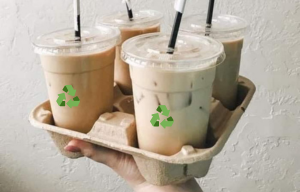
PLA (polylactic acid) is a plant-based bioplastic made from renewable resources such as corn starch. PLA cold cups are:
-
Clear like traditional plastic
-
Suitable for cold beverages
-
Commercially compostable under industrial conditions
-
Made from renewable plant materials
PLA cups look almost identical to PET cups but have a significantly lower fossil fuel footprint.
Environmental Impact: Which Is More Sustainable?
When comparing PLA vs plastic cups, sustainability is often the deciding factor.
Plastic (PET)
-
Made from petroleum
-
Recyclable in theory
-
Often ends up in landfill due to contamination
-
Long degradation timeframe
PLA
-
Made from renewable plant resources
-
Designed for commercial composting (limited facilities in NZ)
-
Lower carbon footprint
-
Diverts waste from landfill when composting facilities are available
Important for NZ businesses: PLA cups must go to a commercial composting facility to break down properly. They are not suitable for home compost bins.
For organisations focused on sustainability targets and reducing landfill waste, PLA is typically the better long-term option.
If you’re also weighing up other material comparisons, you may find our related guide helpful: Paper vs Plastic Cold Cups: What’s the Better Choice in New Zealand? This article explores how traditional paper and plastic options compare in terms of recyclability, performance and real-world disposal in NZ, helping you make a fully informed packaging decision.
Compliance and NZ Regulations
New Zealand’s phase-out of certain single-use plastics has increased awareness around sustainable packaging. While clear plastic cold cups are not currently banned, businesses are under increasing pressure to:
-
Reduce fossil fuel-based packaging
-
Improve waste diversion
-
Demonstrate environmental responsibility
Switching to PLA cold cups can help future-proof your packaging strategy and align with sustainability commitments.
For more in-depth information about how New Zealand’s regulations may impact your business, you can read our detailed guide: Are Disposable Cold Cups Still Allowed Under NZ’s Single-Use Plastic Ban? This article breaks down what is currently allowed, what has been phased out, and how to ensure your packaging remains compliant moving forward.
Performance: Do PLA Cups Perform as Well as Plastic?
For cold drinks such as smoothies, iced coffee, juices and soft drinks, both PLA and PET cups:
-
Offer high clarity for product presentation
-
Are crack resistant
-
Work with dome and flat lids
-
Maintain structural integrity for cold beverages
Important distinction: PLA cups are not suitable for hot liquids. They are designed specifically for cold beverages.
For most cafés and event settings, performance differences are minimal.
Cost Comparison: Is PLA More Expensive?
Historically, compostable packaging carried a higher price. However, bulk purchasing has significantly narrowed the gap.
When evaluating cost, businesses should consider:
-
Unit price per cup
-
Brand positioning value
-
Waste disposal costs
-
Customer perception
-
Sustainability commitments
For many NZ businesses, the marketing and brand benefits of using compostable cold cups outweigh the marginal price difference.
Which Option Is Better for Your Business?
Choose Plastic (PET) Cold Cups If:
-
Cost is your primary concern
-
You operate in an area without commercial composting
-
Recycling systems are reliable and accessible
Choose PLA Cold Cups If:
-
Sustainability is part of your brand
-
You want to reduce fossil fuel dependency
-
You aim to align with environmental policies
-
Your waste provider supports commercial composting
There is no one-size-fits-all answer — but there is a strategic answer based on your business goals.
If you’re ready to move from comparison to decision-making, you may also find our practical buying guide helpful: How to Choose the Right Disposable Cold Cups for Your Café, Event or Workplace. This article walks you through cup sizes, lid compatibility, bulk ordering considerations and how to select the right option for your specific business needs in New Zealand.
Why NZ Businesses Choose Insinc for Cold Cups
At Insinc Products, we supply both high-quality plastic and PLA compostable cold cups designed for commercial use across New Zealand.
We help businesses:
-
Select the right cup for their sustainability goals
-
Buy in bulk at competitive pricing
-
Ensure compliance with evolving packaging expectations
-
Improve environmental performance without sacrificing functionality
Whether you're running a café, managing an event or purchasing for a workplace, our team can help you make the right decision.
Frequently Asked Questions
Are PLA cups better than plastic?
PLA cups are generally considered more environmentally friendly because they are made from renewable plant materials and are commercially compostable. However, they require proper composting facilities to break down effectively.
Are PLA cups recyclable in NZ?
No. PLA cups are not recyclable in standard kerbside recycling. They are designed for commercial composting.
Are plastic cold cups recyclable?
PET plastic cups are technically recyclable if clean and accepted by local recycling facilities. Contamination often prevents successful recycling.
Can PLA cups go in home compost?
No. PLA requires high heat industrial composting facilities to break down properly.
Which cold cup is best for smoothies?
Both PLA and PET cups are suitable for smoothies and iced beverages. The decision usually comes down to sustainability goals and waste management options.
Make the Switch with Confidence – Talk to Insinc Today
If you're reviewing your disposable cold cups, now is the time to align your packaging with your business values.
Insinc supplies premium PLA and plastic cold cups to NZ cafés, events and commercial workplaces — with bulk pricing and expert advice to match.
Explore our range of cold cups today and choose the right solution for your business.
https://www.insinc.co.nz/smoothie-cups-juice-cups.html
Posted: Friday 20 February 2026