Why Hygiene in Childcare Centres Is Critical (And How to Prevent Illness Outbreaks)
Maintaining high hygiene standards in childcare centres is not just about cleanliness—it’s essential for protecting children, staff, and families from illness outbreaks. With young children more vulnerable to infections and viruses spreading quickly in shared environments, having robust childcare hygiene practices in place is critical. This guide outlines how germs spread, where the biggest risks lie, and what New Zealand childcare centres can do to prevent illness through effective cleaning, infection control, and the right products.
Why Hygiene Matters More Than Ever in Childcare Centres
Childcare centres are high-risk environments for the spread of viruses and bacteria. Young children naturally explore the world through touch, often sharing toys, surfaces, and close contact with others. This makes childcare infection control a top priority for centre managers.
Post-COVID, expectations around hygiene have significantly increased across New Zealand. Parents now expect visible, consistent cleaning practices and reassurance that their children are in a safe environment. Failing to meet these expectations can result in:
- Increased illness outbreaks
- Reduced attendance rates
- Staff shortages due to sickness
- Reputational damage
- Potential compliance issues
Implementing strong childcare hygiene standards in NZ is no longer optional—it’s essential for operational success.
Research also highlights just how vulnerable childcare environments can be to the rapid spread of infectious diseases. A study published in the National Library of Medicine found that factors such as close contact between children, shared facilities, and practices like diaper changing can significantly increase the risk of virus transmission, including hepatitis A. Once introduced, infections can spread quickly throughout a centre if hygiene practices are not consistently followed. This reinforces the importance of maintaining strict cleaning protocols and staff training to minimise risk and protect both children and caregivers.
Common Germ Hotspots in Childcare Centres
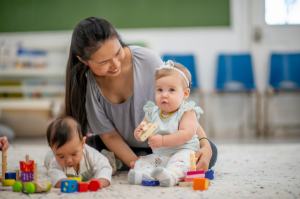
Understanding where germs thrive is the first step in preventing their spread. In childcare environments, some areas require more attention than others.
High-Risk Areas Include:
- Shared toys and play equipment
- Tables and eating surfaces
- Bathroom and nappy changing areas
- Door handles and light switches
- Sleep areas and bedding
- Kitchen and food preparation areas
These surfaces are touched frequently throughout the day, making them prime locations for bacteria and viruses to spread rapidly.
How Viruses Spread in Early Learning Environments
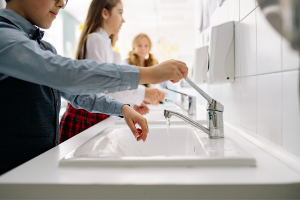
Viruses spread quickly in childcare settings due to close contact and shared spaces. Understanding transmission pathways helps centres implement better prevention strategies.
Key Ways Illness Spreads:
- Direct contact – children touching each other during play
- Surface transmission – touching contaminated objects
- Airborne droplets – coughing, sneezing, or talking
- Poor hand hygiene – insufficient handwashing practices
High-Touch Surfaces (Toys, Tables, Bathrooms)
High-touch surfaces are one of the biggest contributors to illness outbreaks. Toys, in particular, can harbour germs for hours or even days if not properly cleaned.
Examples include:
- Plastic toys handled by multiple children
- Tables used during meals and activities
- Bathroom fixtures such as taps and toilet flush buttons
Without regular disinfection, these surfaces become a continuous cycle of contamination.
Best Practice Cleaning & Disinfection Routine
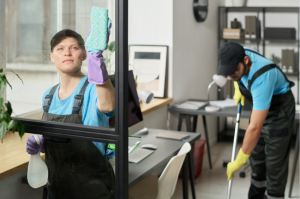
A structured and consistent cleaning routine is the backbone of preventing viruses in childcare environments. Centres should move beyond reactive cleaning and adopt proactive, scheduled hygiene systems.
Daily Cleaning Checklist
Morning:
- Disinfect all high-touch surfaces before children arrive
- Ensure handwashing stations are stocked
Throughout the Day:
- Clean and disinfect toys after use
- Wipe down tables before and after meals
- Regularly clean bathroom surfaces
End of Day:
- Deep clean all rooms
- Sanitize floors and surfaces
- Launder bedding and soft furnishings
Weekly Deep Cleaning
- Steam clean carpets and rugs
- Disinfect storage areas and shelves
- Clean behind and under furniture
- Review cleaning logs and compliance
Key Tips for Effective Cleaning:
- Use the correct dilution ratios for cleaning products
- Allow disinfectants enough contact time to work effectively
- Use colour-coded cloths to prevent cross-contamination
- Train staff regularly on hygiene procedures
Consistency is critical. Even the best cleaning products won’t work if routines are not followed properly.
For a deeper understanding of how your centre measures up, explore our article Childcare Cleaning Standards in New Zealand: Are You Meeting Requirements? This guide breaks down current regulations, compliance expectations, and practical steps to ensure your cleaning practices align with national standards, helping you stay confident and audit-ready.
Choosing Safe, Child-Friendly Cleaning Products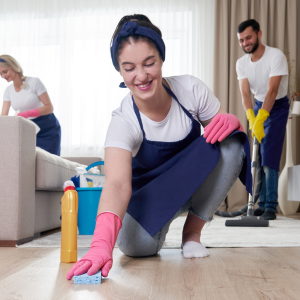
Not all cleaning products are suitable for childcare environments. Centres must balance effectiveness against viruses with safety for children.
What to Look For:
- Non-toxic, child-safe formulations
- Proven effectiveness against bacteria and viruses
- Eco-friendly and sustainable options
- Compliance with New Zealand safety standards
- Easy-to-use and clearly labelled products
Why This Matters
Children are more sensitive to harsh chemicals, and exposure can lead to skin irritation, respiratory issues, or allergic reactions. Using safe, environmentally responsible products protects both children and staff while supporting sustainability goals.
How Insinc Supports Childcare Hygiene Compliance
At Insinc, we understand the unique challenges childcare centres face when it comes to hygiene and infection control. Our range of cleaning and hygiene products is designed specifically to help New Zealand businesses maintain high standards while remaining environmentally responsible.
What Insinc Offers:
- Reliable, high-quality cleaning products suitable for childcare environments
- Eco-friendly solutions that reduce environmental impact
- Bulk supply options to ensure cost efficiency
- Expert guidance on choosing the right products
- Support for maintaining compliance with hygiene standards
By partnering with Insinc, childcare centres can simplify their cleaning processes while ensuring they meet both safety and regulatory expectations.
Downloadable Resource: Daily Childcare Cleaning Checklist
To make implementation easier, we recommend using a structured checklist that staff can follow each day.
Your Checklist Should Include:
- High-touch surface cleaning schedule
- Toy sanitisation procedures
- Bathroom cleaning requirements
- End-of-day deep cleaning tasks
- Staff accountability and sign-off
A clear checklist ensures consistency, improves accountability, and helps demonstrate compliance during inspections. Download your free Daily Cleaning Checklist here.
Creating a Culture of Hygiene in Your Centre
Hygiene isn’t just about cleaning—it’s about building a culture where everyone understands its importance.
Encourage:
- Regular handwashing routines for children and staff
- Ongoing staff training
- Clear communication with parents about hygiene practices
- Visible cleaning procedures to build trust
When hygiene becomes part of your centre’s daily culture, it significantly reduces the risk of illness outbreaks.
The Cost of Poor Hygiene in Childcare Centres
Failing to maintain proper hygiene standards can have serious consequences beyond just illness.
Potential Impacts:
- Loss of enrolments due to concerned parents
- Increased staff absenteeism
- Negative reviews and reputation damage
- Regulatory issues or penalties
- Higher long-term costs due to reactive cleaning
Investing in proper hygiene practices is far more cost-effective than dealing with the aftermath of an outbreak.
Future-Proofing Your Childcare Centre
As expectations continue to evolve, childcare centres must stay ahead by adopting modern hygiene practices and reliable supply partners.
Steps to Future-Proof:
- Regularly review and update cleaning protocols
- Invest in high-quality, sustainable products
- Train staff consistently
- Monitor and track hygiene performance
- Partner with trusted suppliers like Insinc
Being proactive ensures your centre remains safe, compliant, and trusted by families.
FAQs: Childcare Hygiene & Infection Control
1. How often should a childcare centre be cleaned?
High-touch surfaces should be cleaned multiple times daily, with a full clean at the end of each day and deep cleaning weekly.
2. What are the most common sources of germs in childcare centres?
Shared toys, bathroom areas, tables, and frequently touched surfaces are the most common sources.
3. What is the best way to prevent viruses in childcare?
Consistent cleaning routines, proper hand hygiene, and using effective disinfectants are key to preventing virus spread.
4. Are eco-friendly cleaning products effective?
Yes, many eco-friendly products are designed to effectively eliminate germs while being safer for children and the environment.
5. Why is infection control important in childcare?
It protects children, staff, and families from illness while ensuring compliance and maintaining trust with parents.
Conclusion
Hygiene in childcare centres is critical to preventing illness outbreaks, maintaining compliance, and building trust with families. By understanding where germs spread, implementing structured cleaning routines, and using safe, effective products, centres can create healthier environments for everyone.
Partner with Insinc for Better Hygiene
If you’re looking to improve your childcare hygiene standards, Insinc is here to help. We provide high-quality, environmentally responsible cleaning and hygiene solutions tailored for New Zealand childcare centres.