Childcare Cleaning Standards in New Zealand: Are You Meeting Requirements?
Maintaining proper hygiene and cleaning standards in childcare centres is not just best practice—it’s a legal and operational necessity in New Zealand. With strict expectations around childcare cleaning regulations NZ, centres must ensure they are meeting compliance requirements to protect children’s health, pass inspections, and maintain trust with parents. This guide breaks down what’s required, what inspectors look for, and how to create a compliant cleaning system that keeps your centre audit-ready.
Why Childcare Cleaning Compliance Matters in New Zealand
Childcare environments are highly sensitive when it comes to hygiene. Young children are more vulnerable to infections, and the close-contact nature of early childhood education (ECE) settings increases the risk of illness spreading quickly.
Failing to meet daycare hygiene standards NZ can result in:
- Failed inspections or compliance notices
- Increased illness outbreaks among children and staff
- Reputational damage with parents
- Potential closure risks in serious cases
New Zealand regulatory bodies expect childcare providers to demonstrate consistent and well-documented cleaning practices. Compliance is not just about ticking boxes—it’s about creating a safe, healthy environment for children to thrive.
To better understand the importance of maintaining high hygiene standards, we explore this topic further in our article, Why Hygiene in Childcare Centres Is Critical (And How to Prevent Illness Outbreaks). It highlights the risks of poor hygiene practices and provides practical strategies to minimise illness and keep children safe in early learning environments.
Overview of NZ Childcare Hygiene Standards
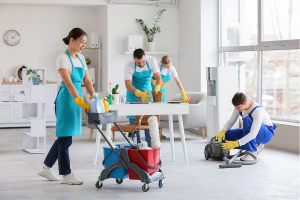
Childcare centres in New Zealand must follow hygiene and cleaning requirements under ECE licensing criteria and health regulations. These standards focus on maintaining a clean, sanitary environment and reducing the spread of infectious diseases.
Key Areas of Compliance:
- Regular cleaning and disinfecting of surfaces
- Safe food preparation and storage practices
- Proper waste disposal systems
- Adequate handwashing facilities
- Maintenance of clean bathroom and nappy-changing areas
- Use of safe, appropriate cleaning products
Centres must also ensure that cleaning procedures are clearly documented and consistently followed by staff.
The New Zealand Ministry of Education reinforces these expectations through its licensing criteria for centre-based ECE services, which outline specific hygiene requirements designed to protect children’s health and wellbeing. These guidelines emphasise the importance of maintaining clean premises, ensuring safe food handling, and implementing effective infection control practices. By aligning your centre’s cleaning systems with these nationally recognised standards, you not only support compliance but also demonstrate a strong commitment to providing a safe and healthy environment for children.
What Inspectors Look For

During audits or inspections, assessors evaluate whether your centre is meeting childcare compliance cleaning requirements. They are not just looking for cleanliness—they are assessing systems, consistency, and accountability.
Cleaning Schedules
Inspectors expect to see structured cleaning schedules that clearly outline:
- What needs to be cleaned
- How often cleaning is performed
- Who is responsible for each task
A lack of clear scheduling is one of the most common reasons centres fail compliance checks.
Documentation and Record-Keeping
Documentation is critical. Even if your centre is clean, failing to prove it through records can lead to compliance issues.
Inspectors will look for:
- Daily cleaning checklists
- Staff sign-off sheets
- Incident and illness logs
- Maintenance records
- Product usage guidelines
Accurate record-keeping demonstrates accountability and ensures that cleaning procedures are consistently followed.
Common Compliance Mistakes Childcare Centres Make

Many childcare centres believe they are meeting standards, but small gaps in processes can lead to significant compliance risks.
1. Inconsistent Cleaning Routines
Cleaning is performed irregularly or skipped during busy periods, increasing the risk of contamination.
2. Lack of Staff Training
Staff are not properly trained in cleaning protocols, leading to incorrect use of products or missed areas.
3. Poor Documentation
Cleaning is completed but not recorded, making it impossible to prove compliance during inspections.
4. Using the Wrong Cleaning Products
Some centres use products that are either ineffective against viruses or unsafe for children.
5. No Clear Accountability
Without assigned responsibilities, tasks are overlooked or duplicated.
Avoiding these mistakes is essential for maintaining compliance and ensuring a safe childcare environment.
How to Create a Compliant Cleaning System
A compliant cleaning system is structured, consistent, and easy for staff to follow. It should be designed to meet ECE cleaning requirements NZ while remaining practical for daily operations.
Step 1: Develop a Clear Cleaning Schedule
Break down cleaning tasks into:
- Daily tasks (high-touch surfaces, bathrooms, toys)
- Weekly tasks (deep cleaning, storage areas)
- Monthly tasks (maintenance and audits)
Ensure schedules are visible and accessible to all staff.
Step 2: Implement Checklists and Sign-Off Systems
Checklists improve accountability and ensure tasks are completed consistently.
Each checklist should include:
- Specific cleaning tasks
- Timeframes
- Staff signatures
- Supervisor verification
Step 3: Train Staff Regularly
Training should cover:
- Proper cleaning techniques
- Correct use of products
- Hygiene best practices
- Cross-contamination prevention
Regular refresher training ensures standards remain high.
Step 4: Use the Right Cleaning Products
Choosing appropriate cleaning products is essential for both compliance and safety.
Look for:
- Products effective against bacteria and viruses
- Non-toxic, child-safe formulations
- Easy-to-use solutions for staff
- Environmentally responsible options
Step 5: Monitor and Review Performance
Regularly review your cleaning system to ensure it remains effective.
- Conduct internal audits
- Update procedures as needed
- Address gaps immediately
- Gather staff feedback
Continuous improvement is key to staying compliant.
How Insinc Helps You Stay Audit-Ready
At Insinc, we specialise in providing cleaning and hygiene solutions that support New Zealand childcare centres in meeting compliance requirements.
Our Support Includes:
- High-quality cleaning products designed for childcare environments
- Eco-friendly options that prioritise safety and sustainability
- Bulk supply solutions for cost efficiency
- Expert advice on hygiene best practices
- Support for creating effective cleaning systems
We understand the importance of compliance and work with centres to ensure they are always inspection-ready.
Building Parent Trust Through Hygiene Compliance
Parents are increasingly aware of hygiene standards and expect transparency from childcare providers.
Ways to Build Trust:
- Display cleaning schedules publicly
- Communicate hygiene practices with families
- Maintain visible cleanliness throughout the centre
- Respond quickly to illness incidents
When parents see that your centre prioritises hygiene, they are more likely to trust your services and recommend you to others.
The Long-Term Benefits of Compliance
Meeting childcare cleaning regulations NZ offers more than just passing inspections.
Benefits Include:
- Healthier children and staff
- Reduced absenteeism
- Stronger reputation in the community
- Improved operational efficiency
- Lower long-term costs
Compliance is an investment in your centre’s future.
Future-Proofing Your Childcare Centre
As hygiene expectations continue to evolve, centres must stay proactive.
Key Strategies:
- Stay updated with NZ regulations
- Invest in quality cleaning systems
- Partner with reliable suppliers
- Continuously train staff
- Regularly review and improve processes
Future-proofing ensures your centre remains competitive, compliant, and trusted.
FAQs: Childcare Cleaning Compliance in NZ
1. What are the main childcare cleaning regulations in NZ?
Childcare centres must follow ECE licensing criteria, focusing on hygiene, sanitation, and infection control to protect children’s health.
2. How often should cleaning be documented?
Cleaning should be documented daily, with checklists signed off by staff and reviewed regularly.
3. What happens if a centre fails a hygiene inspection?
Centres may receive compliance notices, be required to improve practices, or face more serious consequences if issues are not resolved.
4. What products should childcare centres use?
Centres should use safe, effective, and child-friendly cleaning products that meet New Zealand standards.
5. How can centres stay audit-ready?
By maintaining consistent cleaning routines, proper documentation, staff training, and using reliable products.
Conclusion
Meeting childcare cleaning standards in New Zealand is essential for protecting children, maintaining compliance, and building trust with families. By implementing structured cleaning systems, training staff, and using the right products, centres can confidently meet regulatory requirements and prevent hygiene-related risks.
Stay Compliant with Insinc
Don’t leave compliance to chance. Insinc provides trusted, eco-friendly cleaning solutions designed to help childcare centres meet New Zealand hygiene standards with ease.
Explore our range of childcare cleaning products today and ensure your centre is always audit-ready.