What are Bioplastics? A New Zealand Guide to Its Uses, Benefits, and Disposal
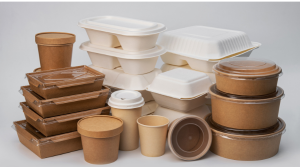
Bioplastics are increasingly appearing in takeaway containers, clear cups, coffee cup linings, food packaging, produce bags, cutlery, and other everyday products.
They are often promoted using terms such as “plant-based”, “biodegradable”, “compostable”, and “made from renewable resources”. These claims can make bioplastics appear to be a straightforward solution to plastic waste.
The reality is more complicated.
A product made from plants is not necessarily biodegradable. A biodegradable product will not automatically break down in the ocean, landfill, or garden. A commercially compostable product may require conditions that are not available through ordinary household waste collections.
These distinctions are particularly important in Aotearoa New Zealand, where access to facilities that accept compostable packaging remains limited.
Understanding what bioplastics are—and what they are not—can help businesses choose more appropriate packaging, communicate disposal instructions clearly, and avoid replacing one waste problem with another.
1. What Are Bioplastics?
“Bioplastic” is a broad term rather than the name of one specific material.
A plastic may be described as a bioplastic when it is:
-
Made partly or fully from biological or renewable resources
-
Designed to biodegrade under specific conditions
-
Both bio-based and biodegradable
Bio-based plastics can be made using biomass such as sugarcane, corn, starch, cellulose, vegetable oils, or other plant-derived materials.
However, the source of a plastic does not determine whether it is biodegradable. Some plastics made from plants behave much like conventional fossil-based plastics and may remain in the environment for a long time. Conversely, certain biodegradable plastics can contain fossil-based materials.
This is why “bio-based” and “biodegradable” should not be treated as interchangeable terms. European Bioplastics defines bioplastics as a family of materials that are bio-based, biodegradable, or both, while emphasising that a fully bio-based plastic may still be non-biodegradable.
The properties and environmental impact of a bioplastic depend on:
-
The raw materials used
-
The chemical structure of the plastic
-
The additives included during manufacturing
-
How the product is used
-
Whether it can be reused
-
The collection systems available
-
What happens to it after disposal
The word “bioplastic” alone therefore does not tell you how a product should be disposed of.
2. What Are the Main Types of Bioplastics?
Bioplastics generally fall into three broad categories.
I. Bio-Based but Not Biodegradable
These plastics are made partly or fully from renewable biological resources but are not designed to biodegrade.
Examples can include bio-based versions of:
-
Polyethylene, or bio-PE
-
Polyethylene terephthalate, or bio-PET
-
Polyamide, or bio-PA
-
Polypropylene, or bio-PP
Their chemical structures may be similar or identical to conventional plastics. Where suitable recycling systems exist, some can be recycled alongside their fossil-based equivalents.
The environmental benefit is mainly associated with replacing a portion of fossil-based feedstock, not with the product disappearing after disposal.
II. Bio-Based and Biodegradable
These plastics are derived partly or fully from renewable resources and are designed to biodegrade under defined conditions.
Examples include:
-
Polylactic acid, or PLA
-
Polyhydroxyalkanoates, or PHA
-
Starch-based plastic blends
-
Some forms of polybutylene succinate, or PBS
PLA is one of the most recognisable materials in this category. It is widely used in food packaging, disposable serviceware, films, fibres, and 3D-printing filament.
However, biodegradable does not mean that these materials will break down quickly in every environment.
III. Fossil-Based but Biodegradable
Some biodegradable plastics are made partly or fully from fossil-based resources.
Examples may include:
-
Polybutylene adipate terephthalate, or PBAT
-
Polycaprolactone, or PCL
These materials demonstrate why the origin of a plastic and its ability to biodegrade are separate characteristics.
A product should therefore be assessed using its verified material composition, certification, intended use, and available disposal pathway—not simply whether it is described as “natural” or “plant-based”.
3. What Is PLA Bioplastic?
PLA stands for polylactic acid or polylactide. It is one of the most commonly used types of bio-based plastic.
PLA is generally produced using sugars obtained from renewable plant materials such as corn starch, sugarcane, cassava, or sugar beet. These sugars are fermented to produce lactic acid, which is then processed into a plastic polymer.
The finished material can be:
-
Clear
-
Lightweight
-
Rigid
-
Printable
-
Moulded into different shapes
-
Used as a coating or film
-
Processed into fibres
-
Used in many 3D printers
Because clear PLA can look similar to conventional PET plastic, consumers may assume it belongs in the recycling bin. In New Zealand, however, PLA is generally classified under plastic identification code 7, which covers “other” plastics and is not part of standard household kerbside recycling.
PLA may be certified as commercially compostable when a finished product meets an applicable standard. That does not mean every product containing PLA is compostable or that it will break down in a home compost system.
Coatings, inks, adhesives, labels, additives, and other materials included in the finished product can affect whether the complete item is suitable for composting.
4. What Are Bioplastics Used For?
Bioplastics can be manufactured with different levels of rigidity, flexibility, transparency, strength, heat resistance, and moisture resistance.
This allows them to be used across several industries.
Food and Beverage Packaging
Common examples include:
-
Films and wrappers
-
Coffee capsules
PLA is particularly common in clear packaging because it can provide a similar appearance to some conventional clear plastics.
Foodservice Products
Commercially compostable materials may be used to produce:
Some of these products combine PLA with paper, cardboard, starch blends, or other materials.
Agriculture and Horticulture
Certain biodegradable materials may be used for:
-
Mulch films
-
Plant pots
-
Clips and ties
-
Seed coatings
-
Controlled-release products
The suitability of these applications depends on whether the material is designed and certified to biodegrade in the environment where it will be used.
Textiles and Non-Woven Materials
Bioplastics can also be processed into fibres for:
-
Clothing
-
Agricultural fabrics
-
Upholstery
-
Carpets and furnishings
3D Printing and Manufacturing
PLA is a popular filament for desktop 3D printers because it is relatively easy to print, widely available, and suitable for prototypes, decorative objects, models, and some finished components.
A product being made from PLA does not, however, mean it can automatically be placed in a compost bin. The grade, additives, size, thickness, and certification of the finished item all matter.
5. What Are the Potential Benefits of Bioplastics?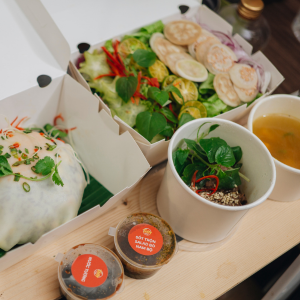
Bioplastics can offer useful benefits when they are selected for the right application and supported by a realistic end-of-life system.
Reduced Dependence on Fossil Feedstocks
Bio-based plastics can replace some petroleum-based raw materials with renewable biological resources.
The environmental impact will still depend on how crops are grown, how much energy and water production requires, where the material is manufactured, and how far it is transported.
“Plant-based” should therefore not be interpreted as impact-free.
Alternative Material Properties
Bioplastics can provide useful technical properties, including:
-
Transparency
-
Printability
-
Rigidity
-
Flexibility
-
Grease resistance
-
Compatibility with food-contact applications
-
Suitability for films, fibres, or moulded products
This allows businesses to consider alternatives in applications where conventional plastics may be difficult to avoid completely.
Potential Organic-Waste Applications
Certified compostable packaging may offer value in controlled situations where packaging is heavily contaminated with food and cannot reasonably be cleaned for recycling.
For example, a closed event, workplace cafeteria, commercial kitchen, or foodservice venue may be able to collect food scraps and approved compostable serviceware together—provided an accepting composter and suitable collection service have been arranged in advance.
This is a specific waste-management use rather than a general licence to replace all recyclable or reusable packaging with compostable products.
Support for Product Innovation
Research into bioplastics encourages the development of new materials, manufacturing techniques, renewable feedstocks, and packaging systems.
However, new materials must be assessed as complete systems. A technically compostable product offers little practical advantage when there is no available collection or processing route.
6. What Are the Limitations of Bioplastics?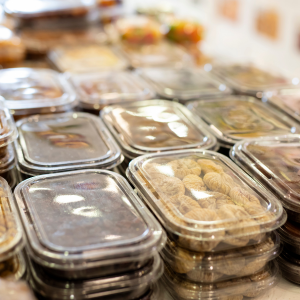
Bioplastics are not a universal solution to plastic pollution.
I. Bioplastic Does Not Mean Plastic-Free
Bioplastics are still plastics. Their physical and chemical properties have been engineered to provide durability and functionality.
Even when the original feedstock came from a plant, the finished product will not behave like an unprocessed leaf, piece of fruit, or vegetable peel.
II. Bio-Based Does Not Mean Biodegradable
A bio-based bottle or container may be chemically similar to a conventional plastic and may not biodegrade.
Disposal decisions should be based on the specific material and local collection instructions rather than a green leaf symbol or plant-based marketing claim.
III. Biodegradable Does Not Mean It Can Be Littered
Biodegradation depends on conditions such as:
-
Temperature
-
Moisture
-
Oxygen
-
Microorganisms
-
Time
-
Product thickness
-
Surface area
A material designed for an industrial composting facility may not biodegrade properly on a roadside, beach, waterway, or in the ocean.
The New Zealand Government warns that bio-based and compostable plastics can harm wildlife when littered, just as conventional plastic products can.
IV. Compostable Does Not Always Mean Home Compostable
Commercially compostable products usually require controlled heat, moisture, airflow, and processing time.
A home compost pile may not reach or maintain the conditions needed to break down PLA packaging. WasteMINZ states that most compostable cups and packaging require commercial composting conditions of approximately 55°C or higher, which almost all home compost systems do not achieve.
V. They Can Contaminate Recycling
PLA can look like PET but behaves differently during processing.
When compostable plastic is incorrectly placed in a recycling bin, it can become contamination. New Zealand’s standard household kerbside system accepts plastic bottles, trays, and containers numbered 1, 2, and 5—not compostable plastic packaging classified under number 7.
VI. Infrastructure Is Limited
Compostable packaging only delivers its intended end-of-life benefit when it is collected and delivered to a facility that accepts it.
Availability varies by location, product type, certification, waste provider, and the operating consent of the composting facility.
7. Are All Bioplastics Compostable?
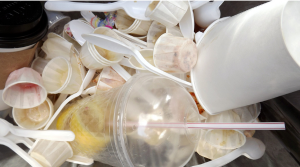
No. Bioplastics and compostable plastics are overlapping but different categories.
A product may be:
-
Bio-based but non-compostable
-
Fossil-based but compostable
-
Bio-based and commercially compostable
-
Bio-based and certified home compostable
-
Biodegradable under specific environmental conditions
-
Neither biodegradable nor compostable
Businesses should look for a recognised, independently verified certification rather than relying only on words such as “eco”, “green”, “natural”, or “earth-friendly”.
Commonly referenced compostability standards include:
-
AS 4736 for industrially compostable plastics
-
AS 5810 for plastics suitable for home composting
-
EN 13432 for commercially compostable packaging
-
ASTM D6400 for compostable plastics
Certification does not guarantee that a local collection service will accept the item. It demonstrates that the product has been tested against defined conditions.
The business must still confirm:
-
Whether an appropriate facility exists nearby
-
Whether that facility accepts the particular product
-
How the material must be collected
-
What contamination limits apply
-
Whether customers will receive clear disposal instructions
The Ministry for the Environment’s selection guidance recommends considering the material, additives, compostability testing, available collection and processing systems, communication, and labelling before choosing compostable products.
8. How Should Bioplastics Be Disposed of in New Zealand?
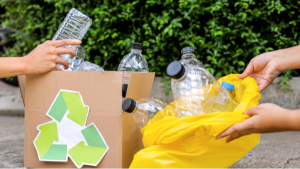
There is no single disposal method for every bioplastic product.
The correct pathway depends on the material, certification, local infrastructure, and instructions from the supplier or waste provider.
I. Kerbside Recycling
Do not place compostable or biodegradable plastic packaging in ordinary household recycling unless your council or a verified specialist programme specifically confirms that it is accepted.
New Zealand’s standard kerbside recycling system accepts plastic bottles, trays, and containers marked 1, 2, or 5. PLA and many other compostable plastics fall under code 7 and are not included.
Compostable packaging should not be placed in soft-plastic recycling collections either.
II. Council Food-Scrap or Garden-Waste Collections
Do not assume that certified compostable packaging can go into a council food-scrap, green-waste, or food-and-garden-organics bin.
Commercially compostable packaging requires specific processing conditions, and it is excluded from standard council kerbside organic-waste collections in New Zealand.
III. Commercial Composting
A certified commercially compostable product may be suitable for an industrial facility—but only when that facility has agreed to accept it.
WasteMINZ’s facility information, accurate as of 1 July 2025, listed seven industrial facilities in New Zealand that accepted some compostable packaging. It also notes that accepted materials vary between facilities and that a waste company is usually required to collect and transport the packaging.
Businesses should contact the facility or collection provider before purchasing packaging in large quantities.
IV. Home Composting
Only place an item in a home compost system when:
-
The complete product is certified home compostable
-
The certification applies to the finished product
-
The manufacturer provides clear home-composting instructions
-
Your compost system can provide the necessary conditions
“Biodegradable” or “plant-based” does not automatically mean home compostable.
V. General Rubbish
When no verified recycling, home-composting, take-back, or commercial-composting option exists, general rubbish may be the only locally available disposal route.
This is not the ideal outcome, but it is generally better than contaminating recycling or organic-waste collections.
9. How Can New Zealand Businesses Choose Bioplastics Responsibly?

Before switching to bioplastic packaging, businesses should start with the intended function and disposal system—not the material’s marketing claims.
Ask the following questions:
Can the Packaging Be Avoided?
Eliminating unnecessary packaging usually creates a clearer waste reduction than replacing one disposable material with another.
Could a Reusable Option Work?
Reusable cups, containers, crates, cutlery, dispensers, and refill systems may provide greater long-term waste reduction when return and washing systems are practical.
The Ministry for the Environment encourages businesses to consider reusable or readily recyclable alternatives before choosing compostable and bio-based plastics.
Is There an Existing Recycling Option?
A clean product made from a widely accepted material may have a more accessible recovery pathway than a compostable product requiring specialist collection.
Will the Product Be Contaminated With Food?
Compostable packaging may be most useful when food contamination makes conventional recycling impractical and the item can be collected with food waste through a dedicated commercial system.
Is the Product Properly Certified?
Request evidence that the finished product—not only its base resin—meets a recognised compostability standard.
Is There a Local Facility That Will Accept It?
Confirm acceptance before ordering. Do not assume that every commercial composter accepts PLA, compostable cups, or foodservice packaging.
Can Customers Dispose of It Correctly?
Disposal instructions should be specific.
Instead of stating only “compostable”, packaging or signage should explain whether the item is:
-
Home compostable
-
Commercially compostable
-
Accepted through a named collection system
-
Not accepted in kerbside recycling
-
Intended for general rubbish when no collection is available
Clear instructions reduce contamination and help customers understand the real limits of the product.
10. What Role Should Bioplastics Play in New Zealand?
Bioplastics may have a useful role in New Zealand, but that role should be targeted.
They are most likely to provide value where:
-
The product performs a necessary function
-
Reuse is not practical
-
Conventional recycling is unsuitable
-
Food contamination is unavoidable
-
The finished product is properly certified
-
A dedicated collection system exists
-
An accepting processing facility has been confirmed
-
Disposal instructions are clear and accurate
They are less useful when:
-
They replace an easy reusable option
-
Customers are likely to place them in recycling
-
No composting service is available
-
The product combines incompatible materials
-
Environmental claims are vague
-
The item is likely to become litter
-
The business has no plan for what happens after use
New Zealand’s Ministry for the Environment recognises that compostable products may have a place within a circular economy, but its guidance emphasises the need to assess products, additives, certifications, collection systems, processing options, and communication together.
The most responsible question is not simply, “Is this packaging made from plants?”
It is: “What will happen to this product after it has been used?”
Quick Bioplastic Disposal Guide for New Zealand
| Product or claim | Correct action |
| Bio-based plastic | Check the resin type and local disposal instructions |
| PLA packaging | Do not place in kerbside recycling |
| Commercially compostable product | Use only an accepting commercial collection and facility |
| Home-compostable product | Follow the certification and manufacturer’s instructions |
| Biodegradable plastic | Do not assume it belongs in compost or recycling |
| Unlabelled compostable-looking packaging | Check with the supplier or place in general rubbish |
| Compostable packaging with no local facility | General rubbish may be the only available option |
| Reusable product | Clean and reuse it for as long as it remains safe and functional |
Frequently Asked Questions
Are bioplastics made entirely from plants?
Not always. Some are made fully from renewable plant material, while others contain a combination of bio-based and fossil-based materials. The term may also include biodegradable plastics made from fossil resources.
Is bioplastic better for the environment?
It depends on the product, its raw materials, how it is manufactured, how often it is used, and how it is disposed of. A bioplastic with no suitable recovery pathway may still end up in landfill or contaminate another waste stream.
Is PLA biodegradable?
PLA can biodegrade under controlled conditions, particularly in suitable industrial composting systems. It should not be expected to break down quickly in the ocean, roadside environment, landfill, or an ordinary backyard compost pile.
Can PLA go into New Zealand recycling bins?
PLA should not be placed in standard New Zealand kerbside recycling. Household recycling accepts plastic bottles, trays, and containers numbered 1, 2, and 5. PLA is generally included under plastic code 7.
Can PLA go into a food-scrap bin?
Not through standard council kerbside food-scrap collections. It may be accepted by a dedicated commercial composting programme, but this must be confirmed with the collection provider and processing facility.
Is commercially compostable the same as home compostable?
No. Commercial composting facilities use controlled temperatures, moisture, airflow, and processing conditions that are difficult to reproduce in most home compost systems.
What happens to bioplastics in landfill?
Landfills are not designed to provide ideal composting conditions. A compostable product may not break down as expected and should not be marketed or treated as a solution to landfill waste.
How can I tell whether packaging is genuinely compostable?
Look for recognised third-party certification and clear instructions identifying whether the complete product is commercially or home compostable. Avoid relying only on green colouring, leaf symbols, or vague environmental language.
Are compostable products accepted everywhere in New Zealand?
No. Access remains limited, and facilities differ in what they accept. Businesses should arrange an appropriate collection and confirm facility acceptance before adopting compostable packaging.
Bioplastics Need More Than a Green Label — Insinc Bioplastic Packaging Solutions
Bioplastics can reduce reliance on fossil feedstocks, support material innovation, and provide useful options for selected food-contaminated products. At Insinc, we offer bioplastic food packaging, cutlery and straws, bin liners, and cups and bowls with a bioplastic lining, providing practical and more sustainable alternatives for everyday foodservice needs.
https://www.insinc.co.nz/bioplastic-cutlery.html