
Do Gloves Replace Handwashing?
Disposable gloves are a common sight in restaurants, cafés, bakeries, catering businesses, food manufacturers, and other foodservice environments. They create a visible barrier between hands and food, helping businesses maintain hygiene standards and reduce the risk of contamination.
However, one of the biggest misconceptions in food handling is that simply wearing gloves makes handwashing unnecessary.
The truth is that gloves are not a substitute for clean hands.
Gloves can become contaminated just as easily as bare hands if they are used incorrectly or worn for too long. Proper handwashing and appropriate glove use work together to support safe food handling practices.
In this guide, we'll explain why both practices matter, common mistakes to avoid, and how businesses can build better food hygiene habits.
Why Handwashing Is Still Essential
Hands naturally carry microorganisms picked up from touching equipment, surfaces, packaging, waste bins, mobile phones, money, and countless other everyday objects.
Putting on gloves without first washing your hands can transfer these contaminants to the inside and outside of the gloves.
As a result, gloves may begin their use already contaminated.
Proper handwashing helps remove dirt, oils, and microorganisms before gloves are worn, making gloves more effective as a protective barrier.
What Gloves Actually Do
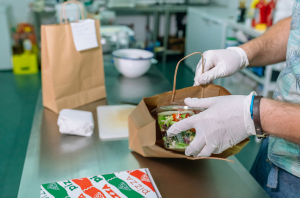
Disposable food safe gloves provide a temporary barrier between hands and food.
When used correctly, they can help reduce direct contact with ready-to-eat foods and minimise the transfer of contaminants.
However, gloves themselves are not self-cleaning or antimicrobial simply because they are worn.
Anything a gloved hand touches can remain on the glove surface until the gloves are changed.
For example, if an employee wearing gloves touches a rubbish bin, refrigerator handle, phone, or raw food before preparing a sandwich, contaminants may be transferred to the food unless the gloves are replaced.
Gloves Can Spread Cross-Contamination
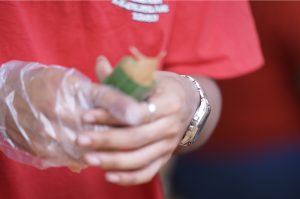
Cross-contamination occurs when harmful contaminants are transferred from one surface, food, or object to another.
Disposable gloves can help prevent this—but only if they are changed at the appropriate times.
A single pair of gloves worn continuously while handling different foods, equipment, or surfaces may spread contamination just as easily as unwashed hands.
For this reason, glove changes should be viewed as part of normal food handling procedures rather than an optional step.
When Should You Wash Your Hands?

Good hand hygiene should become routine throughout the working day.
Hands should be washed before:
- Putting on disposable gloves
- Preparing food
- Handling ready-to-eat foods
- Starting a new task
Hands should also be washed after:
- Using the toilet
- Touching raw meat, poultry, or seafood
- Emptying rubbish bins
- Handling cleaning chemicals
- Sneezing, coughing, or blowing your nose
- Touching your face or hair
- Taking a break
- Smoking or vaping
- Eating or drinking
- Removing gloves
- Handling money
- Cleaning equipment
Frequent handwashing remains one of the simplest and most effective ways to support food hygiene.
When Should Gloves Be Changed?

Changing gloves at the right time is just as important as washing hands.
Disposable gloves should generally be replaced whenever they become:
- Torn
- Punctured
- Visibly dirty
- Wet inside
- Contaminated
- Used for a different task
Gloves should also be changed when moving between handling raw foods and ready-to-eat foods to help reduce the risk of cross-contamination.
Common Mistakes When Wearing Food Safe Gloves
Many food safety issues occur because gloves are used incorrectly rather than because gloves themselves are ineffective.
Some common mistakes include:
1. Wearing the Same Gloves for Too Long
Gloves are disposable items designed for temporary use.
Leaving them on throughout an entire shift increases the likelihood of contamination.
2. Touching Non-Food Surfaces
Items such as mobile phones, door handles, taps, cash registers, and cleaning equipment can transfer contaminants onto gloves.
3. Forgetting to Wash Hands Before Gloving
Putting gloves over unwashed hands does not create clean hands.
4. Reusing Disposable Gloves
Disposable gloves are intended for single use only.
Attempting to wash or reuse them may compromise their protective performance.
5. Assuming Gloves Solve Every Food Safety Risk
Food safety depends on multiple practices working together, including proper storage, cleaning, temperature control, and personal hygiene.
Another often overlooked factor is how gloves are stored and dispensed in the workplace. Poor glove dispensing can lead to contamination before gloves are even worn, undermining hygiene efforts. To better understand why this matters and how to improve your setup, read our article Clean Hands Start with Clean Gloves: Why Glove Dispensing Matters More Than You Think.
Why Staff Training Matters
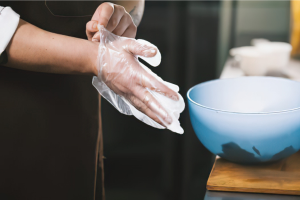
Even the highest-quality disposable gloves cannot compensate for poor food handling practices.
Regular staff training helps ensure employees understand:
- When to wash their hands
- When to change gloves
- How to avoid cross-contamination
- Proper glove removal techniques
- Safe food handling procedures
Clear workplace procedures also help create consistency across shifts and reduce the likelihood of hygiene-related mistakes.
Choosing the Right Food Safe Gloves
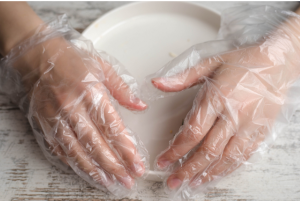
Not every disposable glove is suitable for every foodservice environment.
When selecting gloves, consider factors such as:
- Food safety compliance
- Comfort during extended wear
- Fit and dexterity
- Durability
- Resistance to tearing
- Powder-free construction where appropriate
- Suitability for the foods being handled
Choosing the right gloves can improve both staff comfort and operational efficiency.
Different glove materials offer different advantages depending on your foodservice environment. Latex gloves remain a popular choice in many commercial kitchens because they provide excellent comfort, flexibility, and tactile sensitivity for precision food preparation tasks. To learn more about when latex gloves are the right choice, read our article The Surprising Benefits of Food-Grade Latex Gloves in the NZ Food Industry.
Handwashing and Gloves Work Best Together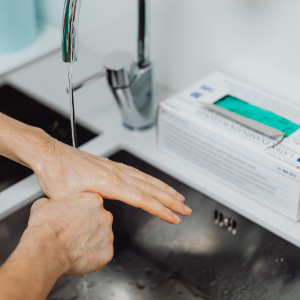
Rather than viewing handwashing and gloves as alternatives, they should be seen as complementary food safety practices.
A strong hygiene programme combines:
- Proper handwashing
- Appropriate glove use
- Regular glove changes
- Effective cleaning and sanitising
- Staff training
- Safe food handling procedures
Together, these measures help reduce contamination risks while supporting higher food safety standards across commercial kitchens and foodservice businesses.
Food Safe Gloves from Insinc
At Insinc, we supply high-quality food safe gloves suitable for restaurants, cafés, bakeries, catering businesses, commercial kitchens, food manufacturers, and other foodservice operations across New Zealand.
Our range includes durable disposable gloves designed to support hygienic food preparation while providing comfort, flexibility, and reliable performance throughout busy working environments.
Whether you're equipping a small café or a large commercial kitchen, our team can help you choose food safe gloves that suit your business and your food handling requirements.
Frequently Asked Questions
Do disposable gloves replace handwashing?
No. Disposable gloves do not replace handwashing. Hands should be washed before putting on gloves and after removing them to help reduce the risk of contamination.
Should I wash my hands before putting on gloves?
Yes. Washing your hands before wearing gloves helps remove dirt, oils, and microorganisms that could otherwise contaminate the gloves during use.
Can gloves spread bacteria?
Yes. If gloves touch contaminated surfaces or are worn for too long without being changed, they can transfer contaminants to food or other surfaces.
How often should food handling gloves be changed?
Gloves should be changed whenever they become damaged, contaminated, dirty, after handling different foods, or when switching between different tasks.
What is more important—handwashing or gloves?
Both are important. Handwashing removes contaminants from the hands, while gloves provide a temporary barrier during food preparation. Using both together is considered a best practice for maintaining food hygiene and reducing the risk of cross-contamination.