Compostable vs Recyclable Courier Bags: Which Is Right for You?
Choosing between compostable and recyclable courier bags is a critical decision for New Zealand businesses aiming to become more sustainable. In this blog, we compare both packaging options across key categories such as environmental impact, durability, cost, and customer perception—helping you decide which is the best fit for your eCommerce operation.
Compostable Courier Bags: Planet-Friendly and Purposeful
Compostable bags are made from plant-based materials such as PLA, PBAT, and cornstarch. These bags break down naturally in home or commercial composting environments, leaving behind non-toxic, organic matter.
Key Benefits:
-
Fully decomposable under the right conditions
-
Leave no harmful residues or microplastics
-
Ideal for short-term packaging use
-
Strong enough for light to medium-weight shipping
However, they have a shorter shelf life, are sensitive to heat/moisture, and require proper disposal in composting systems. To understand how compostable courier bags can benefit your brand’s image and stand out in a crowded market, read our article: How Compostable Courier Bags Help Your Business Stand Out. It explores the customer-facing value of eco-friendly packaging and how it strengthens your business’s sustainability story.
Recyclable Courier Bags: Durable and Cost-Effective
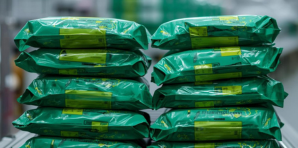
Recyclable courier bags are typically made from polyethylene or other recyclable plastics—sometimes including post-consumer recycled content. These bags can be processed through soft plastics recycling systems and reused in the manufacturing cycle.
Key Benefits:
-
Highly durable and water-resistant
-
Suitable for heavier or bulkier goods
-
Often more affordable than compostable options
-
Compatible with most logistics operations
Their sustainability relies on consumer action and available recycling facilities, which vary across New Zealand. For a deeper understanding of how recyclable courier bags are made, how they should be disposed of, and why they’re an ideal choice for many Kiwi businesses, check out our article: What Are Recyclable Courier Bags? A Sustainable Packaging Guide for NZ Businesses.
Head-to-Head Comparison
|
Feature |
Compostable Bags |
Recyclable Bags |
|
Material Source |
Plant-based |
Plastic (often recycled) |
|
Disposal Method |
Compost (home/commercial) |
Soft plastics |
|
Environmental Impact |
Decomposes naturally |
Lower if properly recycled |
|
Shelf Life |
9–12 months |
2+ years |
|
Strength |
Medium (3–5kg) |
High (up to 10kg+) |
|
Customer Appeal |
Eco-premium |
Practical sustainability |
|
Cost |
Higher upfront |
Cost-effective |
Which Option Is Best for Your Business?
-
Choose compostable if your products are lightweight, your customers compost, and you want to position your brand as a sustainability leader.
-
Choose recyclable if your focus is affordability, durability, and ease of disposal via NZ recycling programmes.
Some businesses use a hybrid approach, offering compostable packaging for local orders and recyclable packaging for national or international deliveries. For a closer look at why recyclable packaging is such a strong choice—especially for online retailers—read our article: Top 5 Reasons to Switch to Recyclable Courier Bags in Your Online Store. It outlines the practical and strategic benefits of making the switch.
Why Buy from Insinc Products?
At Insinc Products, we stock both compostable and recyclable courier bags tailored for Kiwi businesses. We help you select the best packaging based on your operations, values, and shipping needs.
FAQ – Compostable vs Recyclable Courier Bags
Are compostable bags biodegradable?
Yes, but they’re also certified to break down safely without leaving toxins behind—unlike some biodegradable plastics.
Can compostable bags be recycled?
No. They must be composted. Recycling facilities are not designed to handle plant-based plastics.
Are recyclable bags eco-friendly?
Yes—especially when made from recycled materials and disposed of properly.
Which lasts longer in storage?
Recyclable bags have a longer shelf life. Compostable bags should be used within 9–12 months.
Can I customise these bags for my brand?
Yes! Both types are available in various sizes and can be branded with your logo and messaging. Minimum order requirements.
Conclusion
Both compostable and recyclable courier bags offer environmental benefits and commercial strengths. The right choice depends on your brand’s goals, shipping model, and customer expectations. By understanding the trade-offs, your business can take a meaningful step toward sustainability.
https://www.insinc.co.nz/category/courier-bags-recycled-plastic