
10 Common Chemical Storage Mistakes Businesses Make
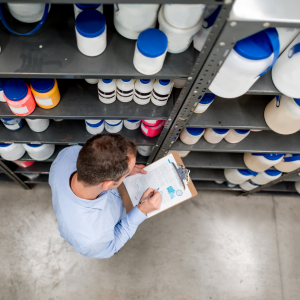
Whether you operate an office, school, healthcare facility, hospitality venue, warehouse, manufacturing site, or commercial cleaning business, cleaning chemicals play an important role in maintaining hygiene and workplace safety.
However, even the highest-quality cleaning products can become less effective—or even dangerous—if they aren't stored correctly.
Poor chemical storage can result in product degradation, accidental spills, contamination, unnecessary waste, and increased health and safety risks. It can also shorten the lifespan of cleaning chemicals, leading to higher operating costs and potential compliance issues.
Fortunately, many of these risks can be avoided with a few simple best practices.
In this guide, we'll cover ten of the most common chemical storage mistakes businesses make and explain how to avoid them.
Why Proper Chemical Storage Matters
Chemical storage isn't simply about finding an empty shelf.
The way chemicals are stored directly affects:
-
Workplace safety
-
Product effectiveness
-
Employee health
-
Environmental protection
-
Equipment longevity
-
Regulatory compliance
-
Business efficiency
Proper storage helps reduce accidents while ensuring cleaning products perform as intended every time they're used.
1. Storing Chemicals in Direct Sunlight

One of the most common mistakes is leaving cleaning chemicals in areas exposed to direct sunlight.
Heat and ultraviolet (UV) light can gradually break down certain chemical formulations, reducing their effectiveness and shortening their shelf life.
Sunlight can also increase pressure inside containers, particularly during warmer months.
Best Practice
Store chemicals in a cool, dry, well-ventilated location away from direct sunlight and heat sources.
Always follow the storage temperature recommendations provided on the product label or Safety Data Sheet (SDS).
2. Mixing Incompatible Chemicals Together
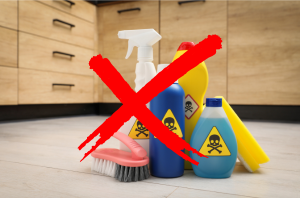
Different cleaning chemicals are designed for different purposes.
Storing incompatible chemicals together increases the risk of accidental mixing during handling or spill events.
Some chemical combinations can release hazardous gases or cause dangerous reactions.
Best Practice
Store incompatible products separately and ensure employees understand which chemicals should never be mixed.
Clear labelling and designated storage areas can help reduce this risk.
3. Leaving Products in Unlabelled Containers
Decanting chemicals into unmarked bottles is one of the quickest ways to create confusion and increase workplace risk.
Without proper labels, employees may not know:
-
What the product is
-
How to use it safely
-
Whether PPE is required
-
What to do in an emergency
Best Practice
Keep chemicals in their original containers whenever possible.
If transferring products is necessary, use appropriate containers and ensure they are clearly labelled according to workplace procedures and applicable regulations.
4. Ignoring Expiry Dates

Cleaning chemicals don't last forever.
Over time, some products lose their effectiveness due to age, exposure to air, or repeated temperature fluctuations.
Using expired products may lead to poor cleaning performance and unnecessary product waste.
Best Practice
Rotate stock using the "first in, first out" (FIFO) method and regularly inspect storage areas for expired or deteriorating products.
5. Storing Chemicals Near Food or Food Preparation Areas
Cleaning chemicals should never be stored alongside food, beverages, or food-contact items.
Doing so increases the risk of accidental contamination.
This is particularly important in:
-
Restaurants
-
Cafés
-
Commercial kitchens
-
Aged care facilities
-
Schools
-
Healthcare environments
Best Practice
Use dedicated chemical storage areas that are clearly separated from food preparation and storage zones.
6. Overcrowding Storage Shelves
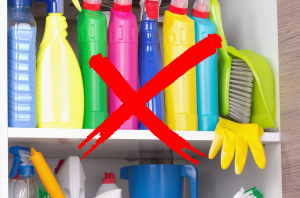
Packing shelves too tightly may seem like a good way to save space, but it can create several problems.
Overcrowded shelves increase the likelihood of:
-
Containers falling
-
Accidental spills
-
Damaged packaging
-
Difficulty identifying products
-
Reduced ventilation
Best Practice
Organise chemicals neatly with adequate spacing between containers.
Frequently used products should be easy to access without moving multiple containers.
7. Failing to Train Staff on Chemical Storage

Even the safest storage system can fail if employees don't understand proper handling procedures.
Training should cover:
-
Safe storage practices
-
Reading product labels
-
Understanding Safety Data Sheets
-
Spill response procedures
-
PPE requirements
-
Reporting damaged containers
Best Practice
Provide regular refresher training and ensure new employees receive chemical safety training as part of their induction.
8. Ignoring Ventilation Requirements
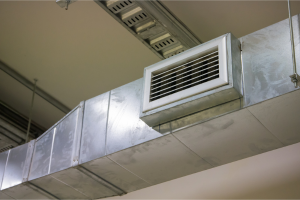
Some cleaning chemicals should be stored in well-ventilated areas to minimise the build-up of vapours.
Poor ventilation may contribute to unpleasant odours and reduce air quality in storage spaces.
Best Practice
Maintain adequate airflow in chemical storage areas and avoid storing products in confined or poorly ventilated spaces unless appropriate controls are in place.
9. Storing Chemicals on the Floor
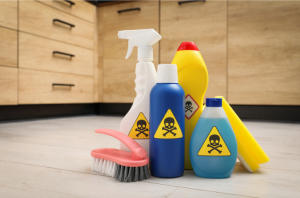
Placing chemical containers directly on the floor increases the risk of damage from cleaning equipment, moisture, accidental impacts, or flooding.
It can also make spill management more difficult.
Best Practice
Use shelving or suitable storage cabinets to keep chemicals elevated and organised.
Heavier containers should generally be stored on lower shelves to reduce lifting risks.
10. Not Conducting Regular Storage Inspections
Chemical storage shouldn't be a "set and forget" process.
Over time, containers may become damaged, labels may fade, or products may expire without anyone noticing.
Routine inspections help identify problems before they become safety issues.
Best Practice
Schedule regular inspections to check for:
-
Damaged containers
-
Leaking products
-
Missing labels
-
Expired chemicals
-
Overstocked shelves
-
Housekeeping issues
Keeping a simple inspection checklist can help maintain consistency.
Additional Best Practices for Safe Chemical Storage
Beyond avoiding common mistakes, businesses can strengthen their chemical safety programme by adopting a few additional habits.
Keep Safety Data Sheets Accessible
Every workplace should have easy access to current Safety Data Sheets (SDS) for the chemicals being used.
These documents provide important information about:
-
Safe handling
-
Storage recommendations
-
First aid measures
-
Spill response
-
Disposal considerations
Ensure staff know where SDS documents are located and how to use them.
Maintain an Accurate Chemical Inventory
Keeping an up-to-date inventory helps businesses:
-
Prevent over-ordering
-
Reduce expired stock
-
Monitor usage
-
Improve purchasing decisions
-
Support emergency planning
Regular inventory checks also make it easier to identify products that are no longer needed.
Wear Appropriate Personal Protective Equipment (PPE)
Depending on the product being handled, appropriate PPE may include:
-
Respiratory protection where required
Always follow the manufacturer's instructions and workplace safety procedures.
Create a Chemical Storage Checklist for Your Business
A simple checklist can help maintain consistent storage practices.
Include items such as:
-
Chemicals stored in original containers
-
Labels clearly visible
-
Products stored away from direct sunlight
-
Storage area clean and organised
-
Expired products removed
-
Shelves in good condition
-
Safety Data Sheets available
-
Staff trained in chemical handling
-
Spill kits accessible
-
Ventilation adequate
Regular audits reduce the likelihood of small problems becoming larger safety concerns.
Choosing Quality Cleaning Products Is Only Half the Job
Investing in professional cleaning chemicals is important—but proper storage is just as critical.
When products are stored correctly, businesses benefit from:
-
Better cleaning performance
-
Longer product lifespan
-
Reduced waste
-
Improved workplace safety
-
Greater operational efficiency
-
Increased confidence during workplace audits
Good storage practices protect both your employees and your investment in cleaning products.
Professional Cleaning Products for New Zealand Businesses
At Insinc, we supply high-quality commercial cleaning products to businesses throughout New Zealand.
From everyday cleaning chemicals to specialised solutions, our range is designed to help workplaces maintain high hygiene standards while supporting safe handling and storage practices.
Whether you're reviewing your chemical storage procedures or selecting products for your facility, our team can help you choose cleaning solutions that meet your operational needs.
Frequently Asked Questions
Why is proper chemical storage important?
Correct storage helps maintain product effectiveness, protects employee safety, reduces the risk of spills and contamination, and supports compliance with workplace health and safety requirements.
Can cleaning chemicals expire?
Yes. Some cleaning products lose effectiveness over time, especially if exposed to heat, sunlight, or poor storage conditions. Always follow the manufacturer's recommendations and rotate stock regularly.
Should cleaning chemicals be kept in their original containers?
In most cases, yes. Original containers include important safety information and product identification. If chemicals are transferred, appropriate workplace labelling procedures should be followed.
How often should chemical storage areas be inspected?
Regular inspections are recommended as part of your workplace safety programme. The frequency should reflect the volume and type of chemicals stored, but many businesses perform monthly checks.
Where should cleaning chemicals be stored?
Cleaning chemicals should generally be stored in a cool, dry, well-ventilated area away from direct sunlight, food preparation areas, ignition sources where applicable, and unauthorised access, while following the manufacturer's storage instructions.
https://www.insinc.co.nz/category/cleaning-products-supplies.html
Posted: Friday 12 June 2026